


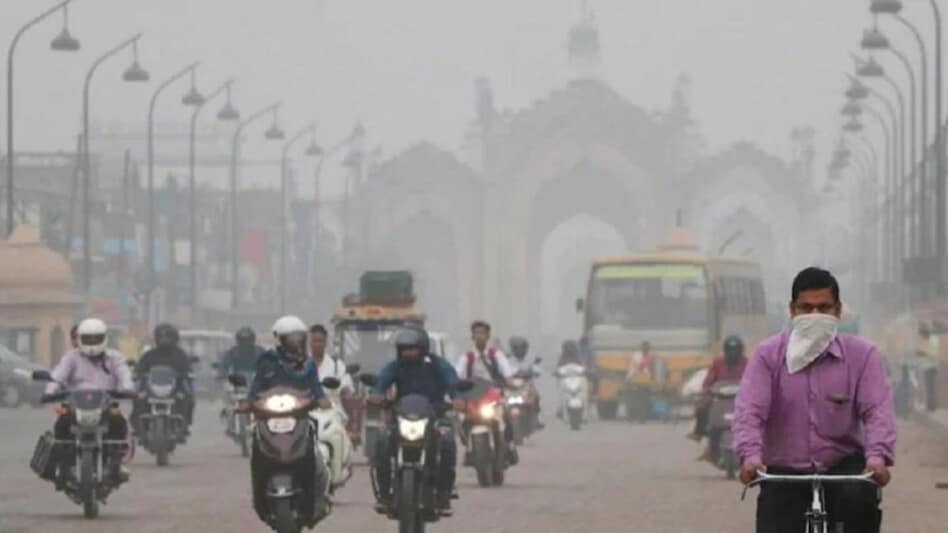
Delhi’s air quality crisis has reached alarming levels, with the city's Air Quality Index (AQI) recorded at 360 recently, indicating a “very poor” air quality. This level of pollution poses serious health risks, affecting millions of residents, especially vulnerable groups such as children and the elderly.
Delhi’s air pollution is primarily driven by high levels of particulate matter, including PM2.5, which are fine particles that can penetrate deep into the lungs and even enter the bloodstream. These particles often originate from vehicle emissions, industrial activity, construction dust, and, during the winter, crop burning from neighbouring states. One specific concern is ammonium nitrate, a component of PM2.5, which forms when ammonia gas combines with nitric acid from fossil fuel combustion.

 Will RBI raise interest rates in October? Here’s what experts have to say
 Bitter Friday for Nestlé: Russia seizes assets as Moscow targets Western firms over Ukraine support
 West Asia impact: Saudi Aramco halts European crude allocations after East-West pipeline attack
 Tata Electronics partners with Japanese, Malaysian firms to boost semiconductor manufacturing in India
 From selling gold to spending ₹3.5 lakh: iPhone 18 Pro fever hits India as fans queue up on sale day
 “Unacceptable And Unprofessional”: MEA Rejects Pakistan’s Claims Over INS Kolkata Collision
  Commodity Trading For Beginners: How MCX & NCDEX Work | Trading Basics | Money Today
 US Fed Rate Hikes A Headwind For Foreign Flows? | Jibi Jacob | Jefferies
 ₹25 Billion FII Outflow: What Could Bring Foreign Investors Back? | Jefferies' Jibi Jacob
 India’s Private CapEx Picks Up: Christopher Wood On The Market Outlook
 Jindal Supreme, SS Retail, Hero Motors IPOs subscribed up to 181 times on final day; details here
 Sensex, Nifty post sixth weekly loss; TCS, Titan among top laggards, slip up to 4%
 How AI collapse could benefit Indian equity market; Jefferies' Christopher Wood explains
  Banks are no more secular growth story, prefer NBFCs: Chris Wood
 Jefferies' Christopher Wood sees gold at $10,000 'sooner or later'; likes India's small, midcapsWest Asia impact: Saudi Aramco halts European crude allocations after East-West pipeline attack
 Air India's incoming CEO weighs merging budget arm AI Express to rein in swelling costs: Report
 Darkness at 9 pm: Pakistan shuts markets, slashes allocations amid severe fuel & gas crisisTata Electronics partners with Japanese, Malaysian firms to boost semiconductor manufacturing in India
 What Will Define the Next Generation of Finance Leaders?












