


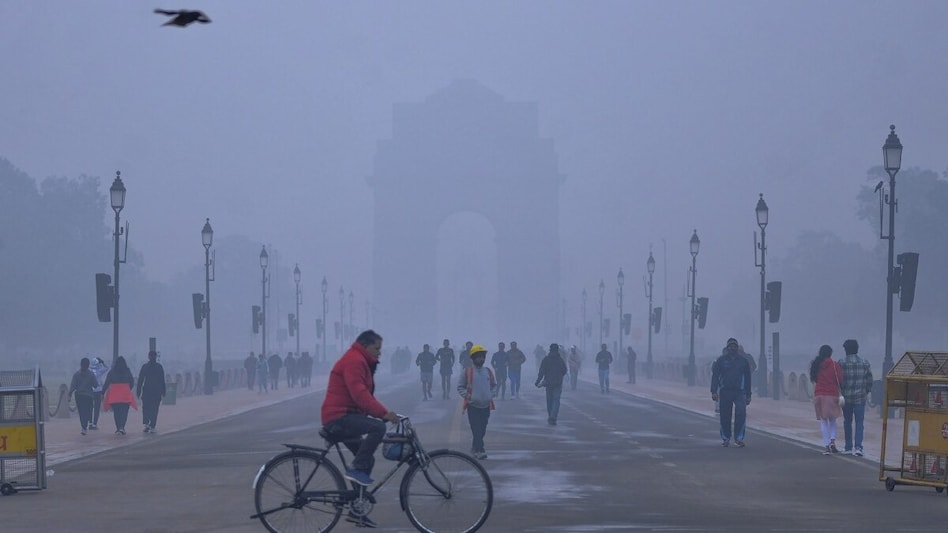
 While Stage-3 curbs have been lifted, actions under Stage-1 and Stage-2 will continue across the NCR to prevent a reversal in air quality gains.
 The Commission for Air Quality Management (CAQM) on December 2 revoked all restrictions imposed under Stage-3 of the Graded Response Action Plan (GRAP) across Delhi and the National Capital Region (NCR), citing a sharp improvement in air quality levels. The decision came into effect immediately.
According to official data, the Air Quality Index (AQI) fell from 380 on Thursday to 236 by 4 pm on Friday, moving the region out of the ‘severe’ category. The improvement prompted a review meeting of the CAQM’s Sub-Committee on GRAP, following which the panel decided that emergency Stage-3 measures were no longer warranted, an official told PTI.

 Why Zerodha Fund House is bullish on life cycle funds
 Ex-IMF economist Surjit Bhalla backs 7.8% GDP number: 'No evidence of exaggeration'
 Air India sacks Phuket-Delhi pilot after psychoactive substance test comes back positive
 BT Explainer: Why Volkswagen Group plans to axe 12% of its workforce in India
 NSE IPO update: SEBI approval likely next week; Check expected dates of price band and listing
 #DemocraticNewsroom | '800 Million People On Subsidies': Siddharth Zarabi On India’s K-Shaped Economy
 #DemocraticNewsroom | India Inflation Data: Are Official Numbers Hiding The Real Economic Picture?
 GDP Real Or Fudged? Siddharth Zarabi Defends India’s Growth Numbers With Data
 Financial Planning For Couples: How To Build A Strong Financial Plan, Budget & Wealth Together
 “High Sugar, Salt, Fat”: FSSAI CEO On Proposed Red Warning Labels On Food Packs
 56% rally in TBZ stock: Upper circuit led to record high today; here's why
  Sensex, Nifty snap four sessions of losing streak; RIL, Tata Steel, Bajaj Finance boost sentiment
  Physicswallah shares jump 9% as Motilal Oswal sees 66% upside
 KEC International: At 52-week low, Geojit expects more downside in infra stockNSE IPO update: SEBI approval likely next week; Check expected dates of price band and listing
 Regional music goes global: Spotify report highlights surge in Telugu, Haryanvi, Tamil and more
 US debt hits $40 trillion: Why India should worry about rising yields, rupee and capital flows now
 Axis Bank Scapia credit card goes live: Check lounge access, UPI rewards, forex benefits and fees
 From HUL to local jewellery brands: Bigg Boss creates a two-tier advertising ecosystem
 HbA1c of 6.4% is NOT 'almost normal': Why this borderline reading can be a warning sign












