


 How India's trade policies were formed, as revealed by former US trade representative
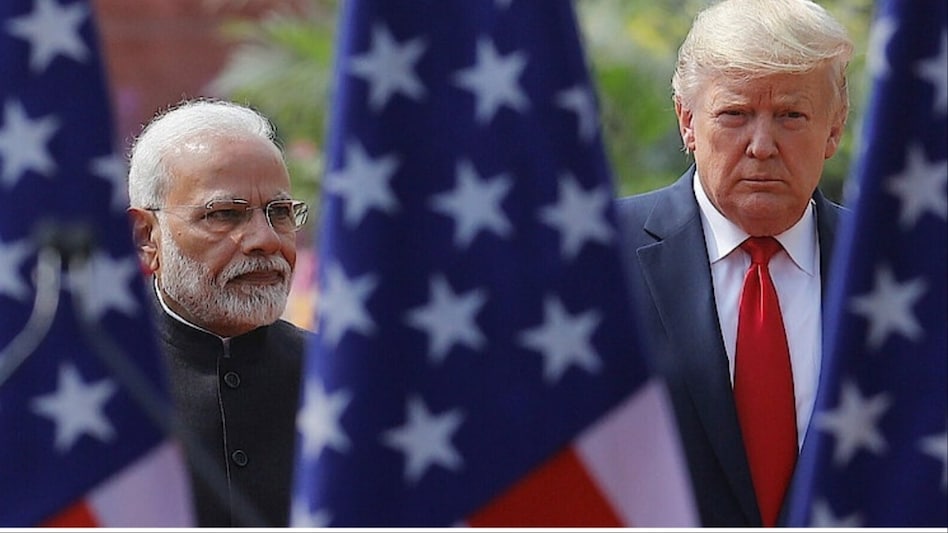
As Donald Trump threatens new tariffs on India over Russian oil purchases, fresh light is being cast on how his trade agenda toward New Delhi has been shaped. In his 2023 book No Trade is Free, former U.S. Trade Representative Robert Lighthizer revealed that he tracked the fortunes of India’s billionaires—whom he called “oligarchs”—to predict India's moves in negotiations.
Lighthizer, Trump’s chief trade negotiator in his first term and a long-time trade skeptic, wrote that during talks with Indian officials he kept biographies of “fifteen or so billionaires” on his desk. “In predicting Indian government positions, I would look to the interests of these men,” he said, adding that an Indian friend once corrected him: only seven truly “ran the country.”

 ‘An Indian consumes 1/10th of an average American’: Amb Kwatra says energy security comes first
 Tata stock to buy: Nuvama bets on unique tech-telecom play, sees 28% upside
  NSE IPO, Hero Motors IPO, SS Retail IPO, Jindal Supreme IPO: GMP of four ongoing issues rises up to 32%
 UPI MDR: BharatPe distances itself from Ashneer Grover's remarks, says UPI to remain free for consumers
 IndiGo shares in focus as baggage, infant fee, priority boarding charges likely raised
 Corporate Health Insurance Vs Retail Policy: Why You Need Personal Health Cover Too
 How India Changed In 12 Years: PM Modi’s Journey From Economic Reforms To Viksit Bharat
 Modi @76: From Twitter To Instagram, How His Digital Outreach Has Evolved
 Stock Picks To Watch: Shibani Kurian Reveals Kotak AMC’s Market Bets
 Gold ETF vs Physical Gold: Know the Tax Rules, Charges and Key Differences
  NSE IPO, Hero Motors IPO, SS Retail IPO, Jindal Supreme IPO: GMP of four ongoing issues rises up to 32%
 Tata Chemicals, Tata Investment shares drop up to 8%: Why Tata stocks are falling today
 OnEMI Technology shares in focus as board clears fund raising via preferential route
  Adani Power, Adani Green, Adani Ports, Adani Energy: Jefferies shares target prices
 Kotak Bank, Auro Pharma, GE Vernova T&D: Top stocks to trade — Key levels, target price & stop loss
 What endures: The residential school in a changing worldUPI MDR: BharatPe distances itself from Ashneer Grover's remarks, says UPI to remain free for consumersNSE IPO, Hero Motors IPO, SS Retail IPO, Jindal Supreme IPO: GMP of four ongoing issues rises up to 32%Tata Chemicals, Tata Investment shares drop up to 8%: Why Tata stocks are falling today
 Only one Indian-American lawmaker voted in favour of Russia sanctions act: Who is Raja Krishnamoorthi?












