


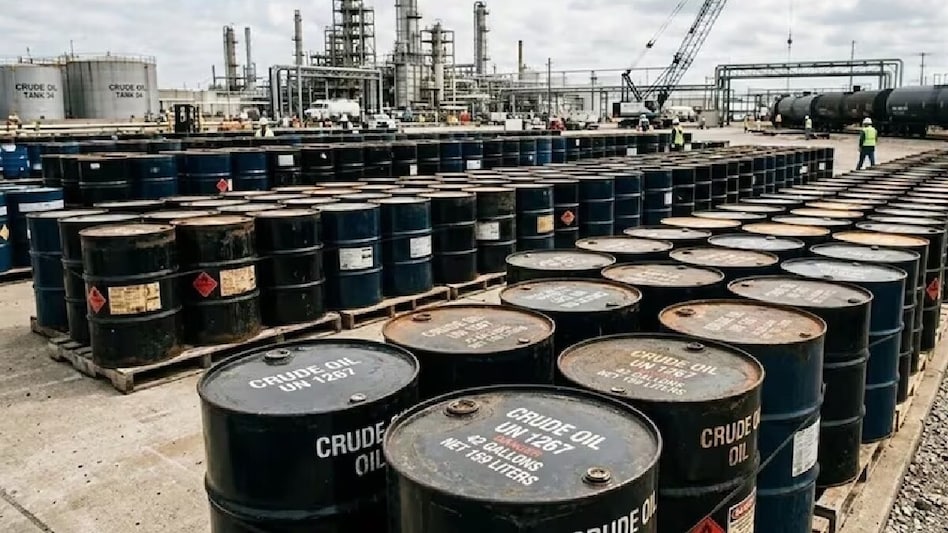
 Brent crude futures rose around 1.5% to nearly $111 per barrel on May 18 as supply concerns linked to the Iran conflict outweighed optimism over the waiver extension.
 The United States Treasury is set to extend its sanctions waiver on Russian seaborne oil by another 30 days after several countries sought more time to continue purchases amid ongoing disruptions in global energy supplies, according to a Reuters report citing a source familiar with the decision.
DO CHECKOUT | To support farmers: After gold, India may now make cooking oil imports costlier

 Sharp rise in global bond yields poses huge challenge for emerging markets, says DEA secretary
 'Russia stood by us when...': EAM Jaishankar explains why India's ties with Moscow endure
 Trump creates 'Super Intelligence Force' to lead US AI push: What it will do
 'US has deliberately become a lonelier power': EAM Jaishankar on shifting global order
 'Kerala has a serious debt problem': Former Cabinet Secretary on state's finances
 Gold Vs Silver: Which Should Investors Buy? Ajay Kedia Shares His 70:30 split Strategy
 Can You Sell Bonds Before Maturity? Liquidity, Exit & Penalties Explained
 Bonds Vs FDs: Are Bonds A Better Alternative For Higher Returns? Risks Explained
 Should You Buy Gold Now? Festive and Wedding Season Strategy Explained
 Direct Vs Regular Mutual Funds: Why the Right Advisor May Matter More Than 1% Cost
 Nvidia shares approach record high as AI optimism revives investor demand
 Sebi receives 20,000 comments on proposed CAS changes; framework to follow soon
 Stock market sell-off: Nifty, Sensex log 8th straight weekly loss; key levels & top triggers now
 IPO boom: 69 Indian companies raise Rs 90,500 crore in Q3 despite stock market sell-off; what's next
 TCS, Infosys, HCL Tech, TechM, Wipro, LTM, Coforge, HEXT: Fresh target, Q2 previews for IT stocks
 REIT payouts double to ₹3,136 crore: Is Indian commercial real estate becoming an income play?
 Travelling alone in Delhi after dark? This AI-powered map shows areas where women may need extra caution
 ISB's Madan Pillutla on why business schools in future have to offer what is relevant
 ‘Sometimes the best decision...’: French man moves to Mumbai for work, says these 3 things took him by surprise
 Financial Horoscope Today, October 5, 2026: Income of Pisces will increase, know the condition of other signs












