


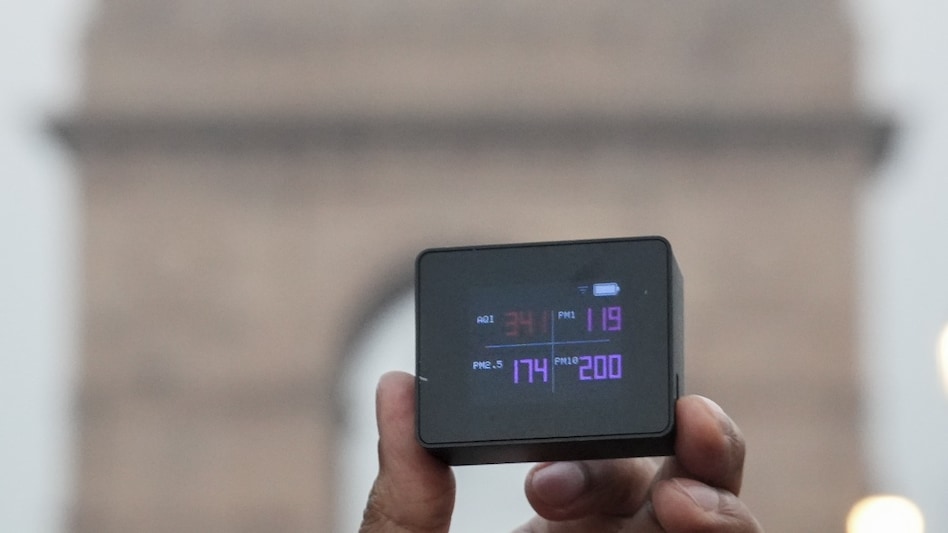
 Hazardous air quality in Delhi-NCR triggers ban on non-essential construction, diesel vehicles, and increased remote work measures to curb pollution.
Delhi-NCR has implemented stricter anti-pollution measures after the region's air quality index (AQI) reached the 'severe' category on Tuesday, with an average AQI of 425. Authorities have initiated Stage III of the Graded Response Action Plan (GRAP), introducing additional restrictions to address the ongoing public health concern.
The move follows a sharp increase from Monday's AQI of 362, attributed to calm winds and weather conditions that caused pollutants to accumulate. The new Stage III rules include a comprehensive ban on non-essential construction and demolition activities across Delhi-NCR.

 India could raise ₹2 lakh crore through IPOs; 55% of FY27 proceeds already fresh capital: SEBI Chairman
 'I'll be here for 2.5 years': Trump warns Iran against waiting for midterms for a deal
 No prescription, no pills: Govt cracks whip on misuse of painkillers, antibiotics
 SEBI settles proceedings linked to Hindenburg report against 5 Adani firms for ₹1.51 crore
 'No positive response on 5-day banking': Bank unions to go ahead with 3-day strike
 IT Stocks Under Pressure: What Next For Indian Markets? | Chakri Lokapriya
 Karnataka’s Welfare Schemes Under Pressure As Finance Department Flags New Challenges
 Family Disputes Can Hold Businesses Back: Nirmala Sitharaman’s Message To Family Firms
 TRAI New Rules: Voice-SMS Only Plans Mandatory | What It Means For 20 Crore Non-Data Users
 Oil & Gas Capex Boom: Anshul Saigal Names Energy Stock He Owns | Saigal Capital Advisors
 Corporate bonds hit ₹61 lakh crore: SEBI pushes for deeper and more liquid debt markets
 Peshwa Wheat to raise ₹53.52 crore through IPO; funds to go towards expansionIndia could raise ₹2 lakh crore through IPOs; 55% of FY27 proceeds already fresh capital: SEBI Chairman
 Balmer Lawrie to demerge Travel & Vacations unit into wholly-owned subsidiary: Report
 Sansera Engineering shares rise 7%; Goldman Sachs raises target; sees further upside
 Tata Aeris: Tigor's replacement gets a feature twist ahead of September 25 launch
 Classic 350 gets a fresh look: New colour, nine variants and more to know
 BT Big Story: Why India Inc is warming up to non-English-speaking executives
  iPhone 17 price during Flipkart sale: Big Billion Days deal teased at around Rs 70,000
 Googlebook is here: Google takes on Mac and Windows with an ₹86,100 Android laptop












