









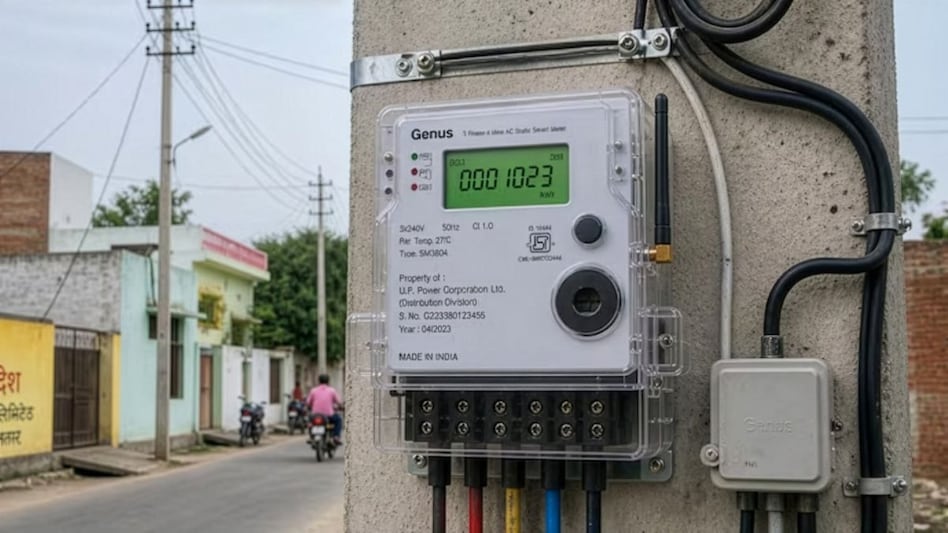
 MP's smart meter project under fire: 20,000 devices compromised, only 3,000 of 32,389 transmitters live
 MP's smart meter project under fire: 20,000 devices compromised, only 3,000 of 32,389 transmitters live
Madhya Pradesh's smart meter programme was introduced as a modern, tamper-resistant solution to electricity theft and billing irregularities. It is now facing a credibility crisis of its own.
Reports have emerged of widespread technical manipulation across the state, with nearly 20,000 smart meters rendered effectively useless through various forms of interference, raising pointed questions about a flagship power-sector initiative that was sold to consumers as cyber-secure.
According to a report by Dainik Bhaskar, the methods being used to defeat the devices range from low-tech physical modifications to sophisticated electronic interference, and the problem appears to be both widespread and district-specific.
Five alleged methods of power theft
Investigators have reportedly identified five distinct techniques being used to manipulate smart meters and evade accurate billing:
Hardware bypass: A small opening is created in the meter body, and a slowdown circuit is installed without disturbing the external seal, making the tampering difficult to detect during routine inspections.
Remote hacking: Specialised devices are allegedly used to alter the internal resistance of smart meters, reducing the amount of electricity consumption that gets recorded and thereby lowering bills.
Direct line diversion: A separate direct connection is reportedly run for high-load electricity use, typically during night hours, while the official meter is used during the day to maintain the appearance of normal consumption.
Signal jamming: In some cases, service cables are allegedly cut and devices are installed that continue transmitting normal operational signals to the central monitoring system, masking the fact that unauthorised consumption is taking place.
Multi-layer bypass networks: Multiple bypass points are created between electricity poles and residential premises, ensuring that power theft can continue even if one connection is detected and removed.
The monitoring network is also under strain
The problem extends beyond individual meters. According to the report, only around 3,000 of the state's 32,389 transformers are currently transmitting live data to the central dashboard operated by power companies. The rest are effectively disconnected from the monitoring system, leaving large blind spots in real-time oversight. Additionally, 207 transformers have been categorised as being in a "critical zone," with overloading and technical tampering increasing the risk of equipment failure.
WAPCOS, the government agency responsible for auditing the project, has not publicly commented on the findings.
Where the problem is worst
District-level patterns of tampering have also emerged. Dhar and Alirajpur have seen slowdown circuits installed through modifications to meter bodies. Shivpuri has recorded cases of new circuits being fitted inside meters. Vidisha has encountered service line hacking using electronic devices, while Dewas has seen direct connections taken from household electricity boards. Guna has reported meters being opened and technically altered to slow electricity readings.
Among all districts, Sagar recorded the highest number of detected bypass cases, 3,230 instances of meter tampering, with authorities collecting Rs 3.8 crore in penalties from offenders.
The report also noted an uneven deployment pattern: smart meter installations have largely progressed in areas where electricity theft levels are already relatively low, while theft-prone localities such as Barwaj and Islampura in Sheopur district remain without large-scale smart meter coverage.
 Hindustan Zinc, Vedanta shares tumble up to 6%; here's why
 What makes Delhi airport the country’s largest aviation hub?
 300 billion barrels: Venezuela has more oil than Saudi Arabia. Why did it collapse?
 UAE employers can't compete on salary, so they're adding will planning, wellness perks; Here's how
 Venezuela’s oil exports hit 7-yr high: India among top buyers as shipments surge
 TMC Rebellion Deepens: After MLAs, Are MPs Next To Leave Mamata Banerjee's Party?
 Kalli Purie At SPIEF ‘26: Why Human Editors Still Matter In The Age Of AI News
 #PROMO | BT India’s Most Sustainable Companies 2026 Awards | Business Today Honors ESG Leaders
 "Sorry Mummy Papa...": NEET Aspirant's Final Letter Sparks Outrage After Exam Cancellation
 RBI's 5 Big Moves To Attract Foreign Capital Amid U.S.-Iran War & Rupee Pressure
 Hindustan Zinc, Vedanta shares tumble up to 6%; here's why
 Vedanta clarifies on ED probe: what it means for subsidiary listings after demerger
  Paras Healthcare files DHRP with SEBI to raise Rs 1,800 crore via its IPO
 Refex Industries' arm enters Rs 100-crore revenue club; FY26 total income rises 2.5 times
 TCS, Infosys shares on hold? Time to buy midcap IT stocks, says Antique | Target prices