
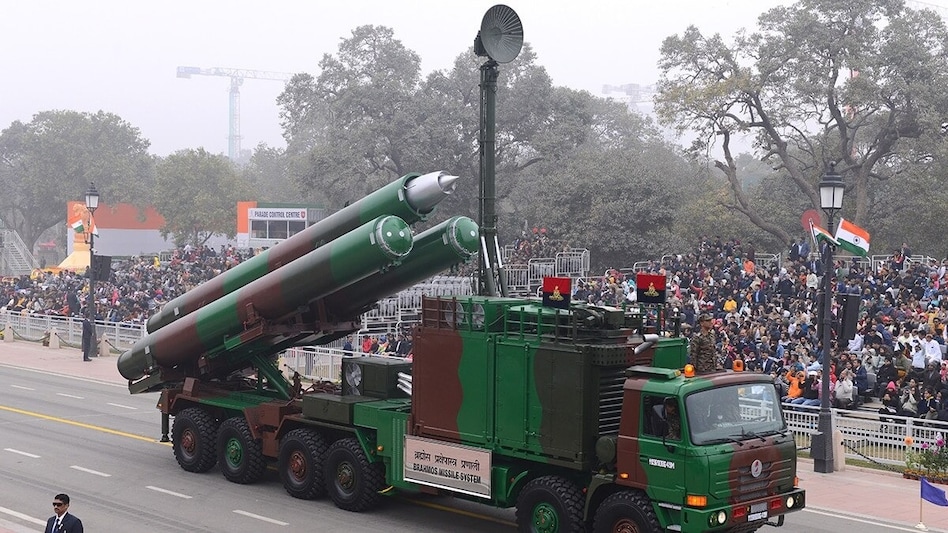
 India spent $86.1 billion on its military last year.
India's military spending in 2024 was almost nine times higher than Pakistan's, according to a study released on Monday. The report comes even as tensions between New Delhi and Islamabad run high after the deadly terror attack in Pahalgam, Jammu and Kashmir.
According to the Stockholm International Peace Research Institute (SIPRI), India spent $86.1 billion on its military last year. That's a 1.6 per cent rise compared to 2023. In contrast, Pakistan's military budget stood at $10.2 billion.

 BT Explainer: What is VRRR auction and why is it key to RBI’s liquidity management post FCNR (B) boost?
 NCLT approves Shree Naman's ₹1,800-cr offer for Gstaad & Neo Hotels in rare full-recovery bankruptcy deal
 Tewolde Gebremariam takes charge as Air India CEO; security clearance still pending: Report
 PVR Inox shares tumble 8%: What is weighing on the stock
 Manappuram Finance, Muthoot Finance shares: Antique sees up to 21% upside on two gold loan stocks
 Equity, FDs, Gold & More: How Couples Should Plan Their Investments Together
 How Couples Can Balance Shared Goals With Individual Dreams And Financial Needs
 FSSAI CEO On Misleading Food Ads, Brand Crackdowns And Pressure From Industry Lobby
 Couples & Tax Planning: How Smart Expense Planning Can Help Reduce Family Tax Outgo
 Mutual Fund Allocation: How Much Should Investors Allocate To Large, Mid & Small Cap Funds?
 PVR Inox shares tumble 8%: What is weighing on the stock
 ZEE Entertainment shares fell 6% today; here's whyManappuram Finance, Muthoot Finance shares: Antique sees up to 21% upside on two gold loan stocks
 Tata Steel, JSW Steel, Jindal Steel: Price targets as coking coal prices rise
 Purple Style Labs shares make a flop D-st debut; celebrity-back stock lists at 7% discount
 'Mirzapur The Movie' Box Office collection Day 3: Film mints ₹132 crore worldwide
 ‘Today it’s me, tomorrow someone else…’: IAS officer says system has failed her after fourth transfer order in a yearBT Explainer: What is VRRR auction and why is it key to RBI’s liquidity management post FCNR (B) boost?PVR Inox shares tumble 8%: What is weighing on the stockNCLT approves Shree Naman's ₹1,800-cr offer for Gstaad & Neo Hotels in rare full-recovery bankruptcy deal