


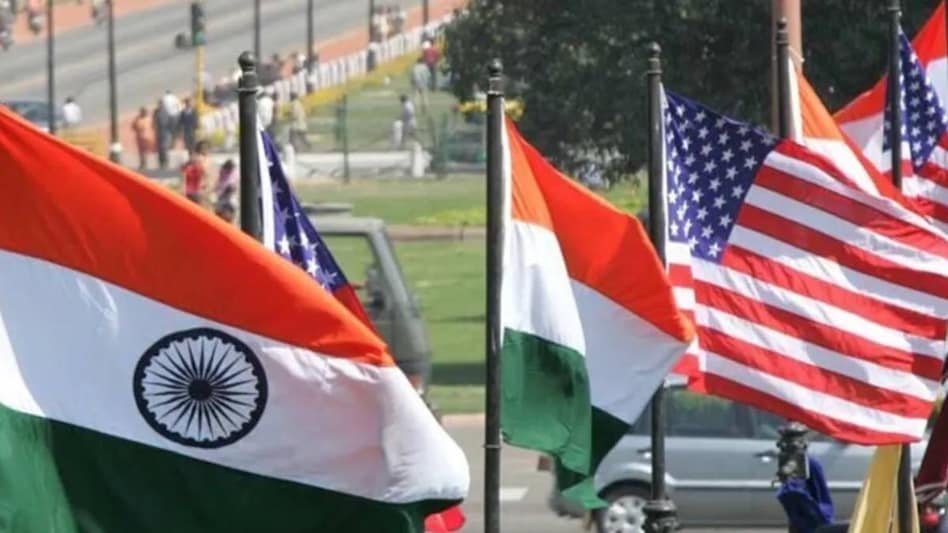
 India’s 25% tariff is one of the highest that the US has levied on Asian countries, second only to that of China’s 30% tariff.
 India and the US will continue negotiations for a bilateral trade talk that could be finalised in the coming months, but the government is also looking at additional measures to support exporters. This comes after the US announced a 25% reciprocal tariff and an unspecified penalty on Indian exports that will be applicable from August 7.
Over the weekend, Commerce and Industry Minister Piyush Goyal held discussions with exporters and associations where the fallout of the US tariff was discussed. Exporters are understood to have sought government support and extension of several schemes. According to sources, the commerce ministry is understood to be looking at these proposals and will work out some support measures.

 Nestle faces FSSAI crackdown over baby food formula claims. What the regulator found
  ‘Welcome the decision wholeheartedly’: Shapoorji Pallonji on RBI’s decision on Tata Sons listing; full text
 NSE IPO: India's largest exchange gets 55% subscription on Day 2 so far; NIIs, employee portions fully booked
 NSE IPO, Hero Motors IPO, SS Retail IPO, Jindal Supreme IPO: GMP of four ongoing issues rises up to 32%
 Noel Tata at the centre of Tata Sons board tussle: A look at his 40-yr career, educational qualification and more
 From NPAs To Infrastructure: CEA On How India’s Economy Has Changed Under PM Modi
  “PM Modi Is Architect Of Economic Policy”: CEA V. Anantha Nageswaran On India’s Growth Journey
 iPhone Sale Sparks Overnight Rush As Buyers Queue Across Delhi, Mumbai, Bengaluru
  Shapoorji Pallonji Welcomes RBI Nod On Tata Sons Listing | SP Group
  UPI MDR Fees: Why Fintech Stocks Like Paytm Could See A Revenue Boost | Market Expert Explains
 Supreme Court allows NSE-Sebi co-location case settlement, disposes of pleas: Report
 Tata Chemicals, TCPL, Uno Minda, Welspun Living, Bandhan Bank, E2E Networks: Expert shares outlook
 Nestle India shares tank 3% as FSSAI initiates legal action over infant products
 Coforge share price: Brokerages bullish on its enterprise autonomy and AI strategy; check targets
 Soach Global set for nearly 25x gains in partial exit from NSE; to sell 20% stake in IPOFrom NPAs To Infrastructure: CEA On How India’s Economy Has Changed Under PM Modi
  Buying prescription medicines? You’ll soon be under CCTV surveillanceSupreme Court allows NSE-Sebi co-location case settlement, disposes of pleas: Report “PM Modi Is Architect Of Economic Policy”: CEA V. Anantha Nageswaran On India’s Growth JourneyiPhone Sale Sparks Overnight Rush As Buyers Queue Across Delhi, Mumbai, Bengaluru












