


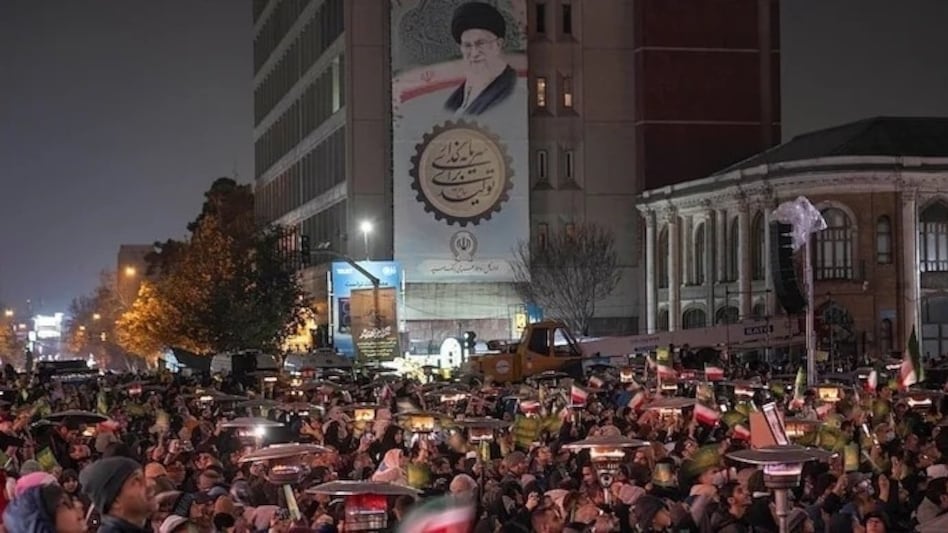
 Iran is facing one of its most serious internal challenges in years
As nationwide protests grip Iran amid a deepening economic crisis, Congress MP Abhishek Singhvi has cautioned against cheering what he sees as the possible collapse of a key regional power. He warned that Indian national interest should not be confused with ideological outrage.
"Iraq has fallen. Iran must not," the Congress leader said in a post on X. "Both were long-standing friends of India, consistently standing with us on Kashmir. A strong Iran has constrained Pakistan and checked Western overreach. Indians cheering its collapse confuse geopolitics with prejudice. National interest > borrowed outrage."

 One-fourth of cars sold by Tata Motors Passenger Vehicles are now EVs
 IRDAI’s insurance distribution reforms: What changes for insurers, brokers, customers
 SBI announces ATM charge waiver during bank strike; UPI, NEFT, RTGS services to continue
 This is not a tax, cess, surcharge...: FM Sitharaman explains what the new UPI MDR really means
 Five-day banking week never up for negotiation, say govt sources
 Demand Robust Across Segments | Production To Ramp Up, Exports To Expand: Vivek Srivatsa
 GST Council To Meet On October 7: Invoice Matching, ITC & UPI MDR Tax In Focus
 Tata Chip Plans Stay On Track Despite Boardroom Rift; Dholera Fab Investment Unaffected
 GLP-1 Drugs Face Eye Safety Concerns: Will Fresh Scrutiny Impact India's Growing Market?
 Inside Tata’s Biggest Boardroom Battle: Noel Tata Vs N Chandrasekaran Explained | Hitesh Jain
 IPO rush: Four IPOs conclude today; check subscription status, other details of issues still open
 Meesho shares slip 7% as Nomura assigns 'reduce' call; here's what the brokerage says
  Sensex, Nifty extend losing streak to seventh week, longest since 2020: What's next?
 Suzlon in bear grip: Oversold signals emerge near 52-week low for the stock
  EIL shares jump 7% to hit record high; stock up nearly 62% in six months: What's driving the rise?SBI announces ATM charge waiver during bank strike; UPI, NEFT, RTGS services to continue
 Congress protests against CEC Gyanesh Kumar spread across India; Gaurav Gogoi detained in Guwahati
 Tata Sons boardroom dispute: Why Tata Trusts and the group are at oddsOne-fourth of cars sold by Tata Motors Passenger Vehicles are now EVs
 IRDAI’s proposed distribution overhaul: Insurance sector may see major reset; could force distributors rework business models, innovate, say analysts












