


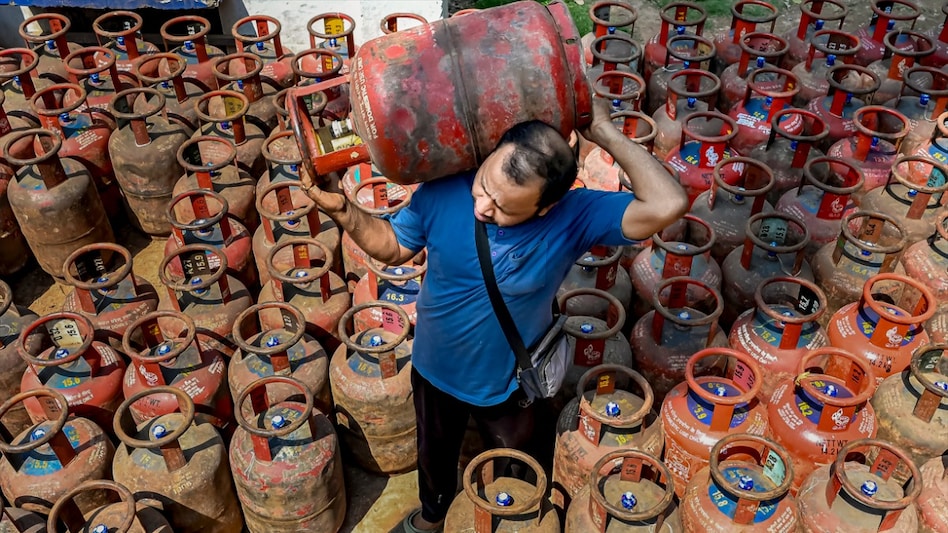
 LPG shortage: Supply of gas cylinders in Delhi capped at 20% of average daily consumption
The Delhi government has introduced a restriction on the daily supply of commercial LPG cylinders, limiting distribution to about 20 per cent of the city's average consumption. This decision follows instructions from the Ministry of Petroleum and Natural Gas and aims to ensure uninterrupted fuel supply for essential services amid international supply chain disruptions.
The Department of Food, Supplies and Consumer Affairs stated: “The average daily sale in the Delhi market by the three OMCs together is approximately 9,000 cylinders (19-kg equivalent). Accordingly, 20 per cent of the daily commercial sale, i.e., approximately 1,800 cylinders, shall be made available for regulated distribution.”

 600% dividend stock: Check dividend per share, record date, payment date and other key details
 'Pack and go' order: Tata Chemicals claims full regulatory compliance as Kenya demands exit from Lake Magadi
 What is Pickaxe Mountain? Inside the Iranian nuclear site being threatened by Trump
 Big bond shake-up ahead? Norway’s $2.3 trillion fund may slash Treasury holdings by $75 billion
 Haryana rains: Waterlogging roils Dwarka Expressway tunnel, IMD issues yellow alert for 15 districts
 MINI Countryman C Tech Overview | Tech Gear EP 17 | ASUS Jelly75 Keyboard | Business Today
 From LIC At 70 To 100: CEO Doraiswamy’s Big Promise To Policyholders & Shareholders
 LIC CEO On Changing Insurance Needs, Younger Customers & The Rise Of Retirement Planning
 Is Travel Insurance Necessary For Every Trip? Costs And Coverage Explained
 #DemocraticNewsroom | '800 Million People On Subsidies': Siddharth Zarabi On India’s K-Shaped Economy
 IPO rush next week: 11 issues eye to raise Rs 7,055 crore; 6 IPOs to open on same day, check details600% dividend stock: Check dividend per share, record date, payment date and other key details
 56% rally in TBZ stock: Upper circuit led to record high today; here's why
  Sensex, Nifty snap four sessions of losing streak; RIL, Tata Steel, Bajaj Finance boost sentiment
  Physicswallah shares jump 9% as Motilal Oswal sees 66% upside
 'Mirzapur: The Movie' box office collection day 1: Pankaj Tripathi, Ravi Kishan-starrer becomes 4th highest opener of 2026, eyes strong weekendMINI Countryman C Tech Overview | Tech Gear EP 17 | ASUS Jelly75 Keyboard | Business TodayIPO rush next week: 11 issues eye to raise Rs 7,055 crore; 6 IPOs to open on same day, check detailsHaryana rains: Waterlogging roils Dwarka Expressway tunnel, IMD issues yellow alert for 15 districtsFrom LIC At 70 To 100: CEO Doraiswamy’s Big Promise To Policyholders & Shareholders












