


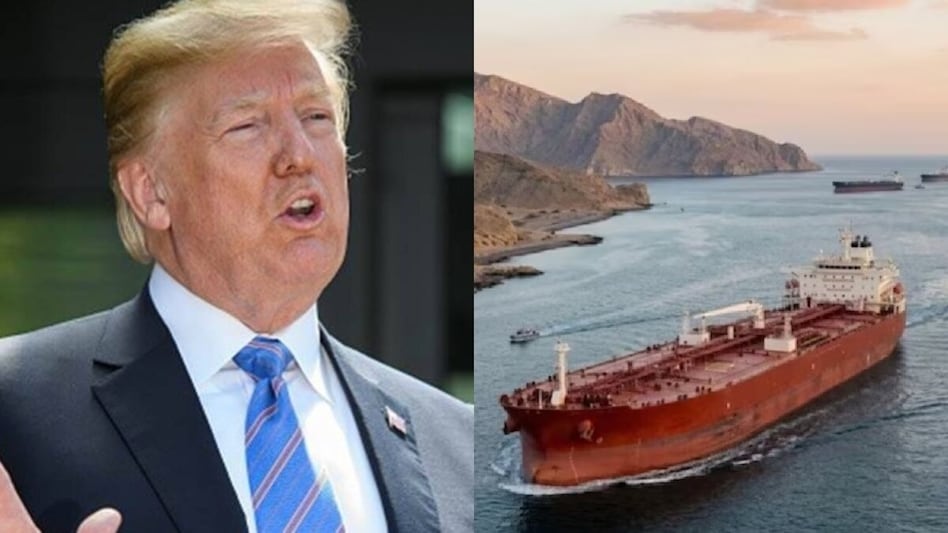
 After Islamabad failed talks, Trump signals naval blockade on Iran
US President Donald Trump has signalled a possible naval blockade against Iran after talks between the two sides in Islamabad ended without an agreement.
Must Read: 'Bad news for Iran': No breakthrough in Islamabad, JD Vance returns to US

 NSE shares: RK Damani, Azim Premji, NRN, Dolly Khanna & others see fortunes rise as stock jumps 5%
 PB Fintech shares crash 30%: Why Policybazaar parent fell like deck of cards; 1.42 lakh retail investors hit; targets
 Insurance commissions may fall: What IRDAI’s new distribution rules mean for policyholders
 NSE adds Rs 22,000 crore to m-cap as stock rises 5% over issue price after listing
 BT Big Story: Is 66% = zero? The Tata Sons question on everyone’s minds
  NSE Listing: Why Institutional Investors Remain Bullish On The Exchange
 Trump Vs Pezeshkian: UNGA Showdown As U.S.-Iran Talks Continue Behind The Scenes
  UPI Charges Explained | NPCI CEO Dilip Asbe on Future of Digital Payments
 Trump Backs IMEEC: Can This India-Europe Trade Route Reduce Hormuz Risk?
 NPCI MD Dilip Asbe Justifies UPI Charges, Says The Money Is Need To Fund Ecosystem Growth
 NSE stock gets thumbs up from Street; here's highest share price target
 HG Infra shares zoom 14% in afternoon session; here's the trigger behind sudden rally
  Ola Electric shares hit 12-week high, rise 6%; here's why
  Suzlon, Premier Energies, Emmvee, Saatvik Green shares: Target prices
 What triggered PB Fintech’s 20% fall even as it bets big on health, pension expansionNSE Listing: Why Institutional Investors Remain Bullish On The ExchangeNSE stock gets thumbs up from Street; here's highest share price targetHG Infra shares zoom 14% in afternoon session; here's the trigger behind sudden rally Trump Vs Pezeshkian: UNGA Showdown As U.S.-Iran Talks Continue Behind The Scenes UPI Charges Explained | NPCI CEO Dilip Asbe on Future of Digital Payments












