


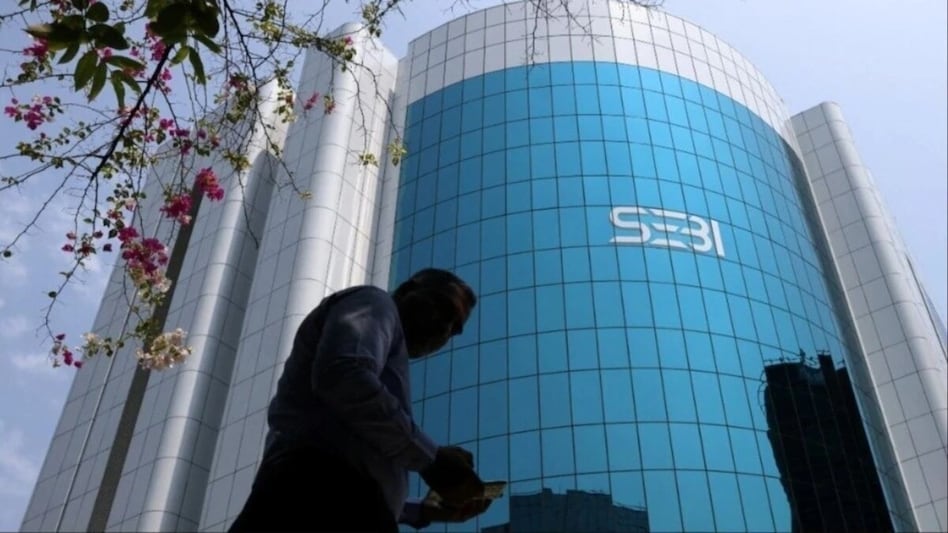
 All existing merchant bankers must classify themselves under Category I or II and intimate SEBI via email, along with a Chartered Accountant-certified net worth certificate, by January 2, 2027.
The Securities and Exchange Board of India (SEBI) has introduced sweeping regulatory changes for merchant bankers through an amended framework aimed at enhancing financial soundness, transparency, and governance. The updated rules, notified on January 2, 2026, under the SEBI (Merchant Bankers) Amendment Regulations, 2025, will come into force from January 3, 2026.
Key developments

 AI revenue is surging at Indian IT firms, but how much is adding to growth?
 Festive spending in urban India to drop 6% to ₹1.97 lakh crore amid inflation: Survey
 India to overtake Japan as world’s fourth-largest economy in 2027: IMF projections
 BT Explainer: What the SC verdict on Yes Bank’s AT-1 bonds means for the lender and will it alter AT1 bonds as such?
 Stock market: India back on investors’ radar as they warm to ‘non-AI stories’, says HSBC
 Market Recovery: Gaurang Shah Picks Banking, Defence, Power And Cement Stocks For Fresh Bets
 Will IDBI Employees Lose Jobs? DIPAM Secretary Arunish Chawla Clears The Air On Pension & Benefit
 Yes Bank AT1 Bond Verdict: What It Means For Bondholders, Lenders And Shareholders
 Can Goa Become India’s Next Tech Hub? Rohan Khaunte On AI, Jobs & Investment
 What’s Hot: Stocks, Gold & Big Money Moves | Daily Markets Show | October 16 | Business Today
 CCL Products shares fall 9% on Q2 results; brokerages see up to 30% upside
 PNB Q2 earnings: Net profit rises 13%, asset quality improves
  BT Explainer: What changes for investors post revision of new Closing Auction System
  PC Jeweller shares hit 52-week high; stock jumps 75% YTD; what analysts say
 Federal Bank Q2 earnings: Net profit at record high, asset quality improves
  Radisson Blu, BigBasket, Flipkart face FSSAI action over food safety, misleading claims
 Jaishankar, Marco Rubio to hold talks in Mumbai on October 20; energy cooperation on agendaFestive spending in urban India to drop 6% to ₹1.97 lakh crore amid inflation: Survey
 EPFO extends September PF filing deadline to October 31: What employers and employees should check
 Indian enterprises are spending on AI, but workforce skills lag, say Coursera’s top executives












