

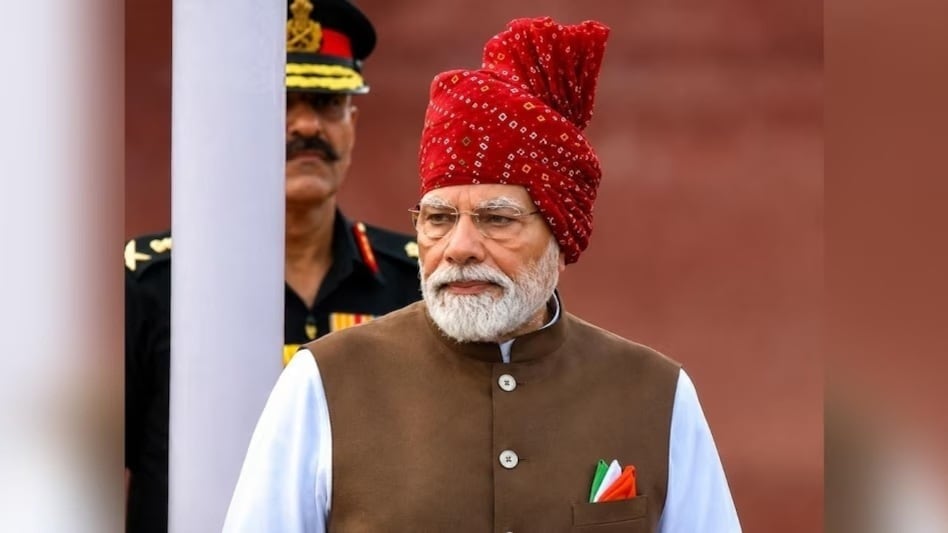
 For the government, the programme could provide a direct channel to communicate its policies while also allowing ministers to hear concerns from students on the ground.
Union ministers could soon be taking their outreach beyond government offices and into university campuses, with the Narendra Modi government planning a nationwide initiative to engage directly with students and understand their concerns.
Under the proposed "One Day, One University" programme, ministers are expected to visit universities across the country, interact with students and discuss issues related to education, employment and other areas of youth development.
 'Private sector must invest, must hire and compensate fairly': CEA Nageswaran asks India Inc to step up
 UPI MDR of 0.4% on transactions above ₹2,000 from October 15: What you need to know
 Apple under pressure in India over iOS 18 screen damage and warranty claims: All details
 India exports 500 tonnes of hilsa to Bangladesh as fish trade flow reverses
 'Sher aaya, sher aaya': Ex-HCL CEO says AI doomsday warnings are hype, won't kill humans
 Crude Oil Price Surge: Will Petrol And Diesel Prices Rise In India?
 Market Commentary: Sharad Avasthi On Nifty, Stocks & The Next Big Move
 RBI Files Caveat In Bombay HC Ahead Of Tata Sons Appeal | Tata Group Stocks | Tata Chemical Shares
 NSE IPO Explained: Price Band, Valuation, Growth Potential And Key Risks
 Stock Market Falls As Crude Oil Nears $110 & Weak Rupee | Stock Market News
 UPI MDR revision from Oct 15: Mutual funds, securities, stockbrokers to attract 0.02% charge; check details
 CDSL shares slip 4%; brokerage upgrades stock to 'Buy': Check revised target
 Paytm, One Mobikwik shares: How UPI fee fears may affect sentiment in fintech players
  Sensex tumbles 778 points; Nifty briefly slips below 22,900 amid CAS volatility; what's ahead?
 Hindustan Copper, Garware Hi-Tech Films, Vijaya Diagnostic Centre among stocks to turn ex-dividend on September 16
 Paying for fuel via UPI? Here's how much you'll be charged at petrol pumps
 Are you paying electricity, water or piped gas bills through UPI? Check charges above ₹2,000UPI MDR revision from Oct 15: Mutual funds, securities, stockbrokers to attract 0.02% charge; check details
 Jio users can get Canva Premium free for 12 months: Check plans, eligibility and how to claim
 UPI MDR from October 15: What happens to auto-debit payments for mutual funds, insurance and OTT subscriptions?












