


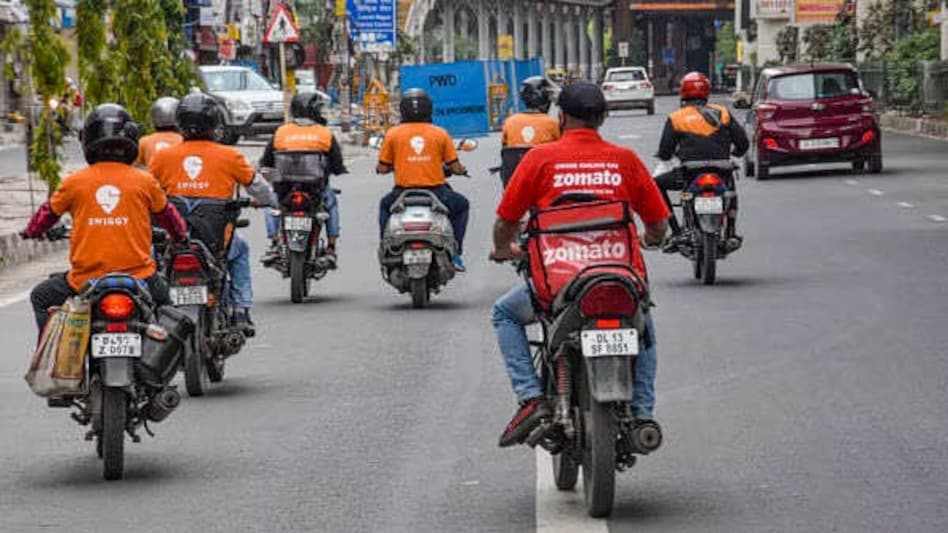
 The strike comes shortly after the government implemented new labour reforms to formally recognise gig and platform workers.
 Food deliveries and e-commerce orders across major Indian cities could face disruptions later this month after gig workers across leading platforms announced an all-India strike, intensifying scrutiny of working conditions in the fast-growing app-based delivery economy.
Delivery partners associated with food delivery, quick commerce and e-commerce platforms — including Swiggy, Zomato, Zepto, Blinkit, Amazon and Flipkart — have called for a nationwide strike on December 25 and December 31, 2025. The strike has been announced by the Telangana Gig and Platform Workers Union along with the Indian Federation of App-Based Transport Workers, and is expected to see participation across metros and large tier-2 cities.

 Delhi airport gets its third runway operational; optimise aircraft movement
 Disney taps Indian-origin former Character.AI CEO Karandeep Anand as its first CTO. Who is he?
 Strait of Hormuz crisis: Why the world’s energy system has not buckled yet - McKinsey explains
 Gold at $5,000 by mid-2027? The forces behind the longer-term outlook
 IndiGo CEO eyes fleet revamp in aggressive push to transform Delhi into global mega-hub: Report
 CEA On India’s 7.8% Growth, Rural Incomes And Government’s Job Creation Push
  Gold Price Outlook: Why Dollar Weakness Could Keep Gold And Silver Prices Attractive Ahead
 Gold vs Silver Investment Strategy: Is This The Right Time To Buy For Long-Term Returns?
 Corporate Vs Personal Health Insurance: Which Is Better On A Budget?
 Gold Price Outlook: Why Gold Could Rise Despite Global Interest Rate Hikes | Silver Market Update
 Jindal Supreme, SS Retail, Hero Motors IPOs subscribed up to 181 times on final day; details here
 Sensex, Nifty post sixth weekly loss; TCS, Titan among top laggards, slip up to 4%
 How AI collapse could benefit Indian equity market; Jefferies' Christopher Wood explains
  Banks are no more secular growth story, prefer NBFCs: Chris Wood
 Jefferies' Christopher Wood sees gold at $10,000 'sooner or later'; likes India's small, midcaps
 Tata Sons crisis: Why the 1-1 split among Tata Trust nominees matters
 Asian Games 2026: Pawan Sehrawat, Manu Bhaker lead Indian contingent at opening ceremonyCEA On India’s 7.8% Growth, Rural Incomes And Government’s Job Creation Push
  Centre lifts geographical caps: Non-CGHS zone staff granted one-time health scheme option
 India weighs simpler customs rules for semiconductor imports as firms flag major clearance hurdles












