


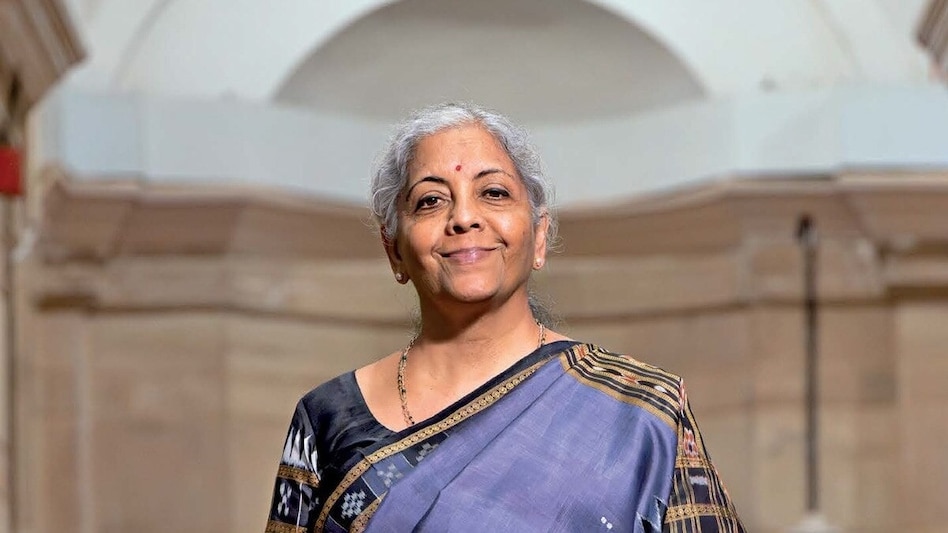
 Niramala Sitharaman also suggested that banks offer free online learning content in partnership with reputed educational platforms and institutions.
Finance Minister Nirmala Sitharaman has asked public sector banks (PSBs) to rethink how they engage with young customers, calling for simpler, more personalised and round-the-clock banking services as India’s youth increasingly shape consumption, savings and investment trends.
Speaking at the concluding session of the two-day PSB Confluence on Tuesday, Sitharaman asked state-owned banks to launch a month-long ‘Banking for Youth’ campaign from October 2, targeting young people aged 16 years and above. She said the focus should be on building a long-term relationship with customers “from campus to career and beyond”, rather than limiting engagement to opening a bank account.

 'Important step': RBI backs new UPI charges, says all transactions remain free for users
 'Private sector must invest, must hire and compensate fairly': CEA Nageswaran asks India Inc to step up
 UPI MDR of 0.4% on transactions above ₹2,000 from October 15: What you need to know
 Apple under pressure in India over iOS 18 screen damage and warranty claims: All details
 India exports 500 tonnes of hilsa to Bangladesh as fish trade flow reverses
 Crude Oil Price Surge: Will Petrol And Diesel Prices Rise In India?
 Market Commentary: Sharad Avasthi On Nifty, Stocks & The Next Big Move
 RBI Files Caveat In Bombay HC Ahead Of Tata Sons Appeal | Tata Group Stocks | Tata Chemical Shares
 NSE IPO Explained: Price Band, Valuation, Growth Potential And Key Risks
 Stock Market Falls As Crude Oil Nears $110 & Weak Rupee | Stock Market News
 UPI MDR revision from Oct 15: Mutual funds, securities, stockbrokers to attract 0.02% charge; check details
 CDSL shares slip 4%; brokerage upgrades stock to 'Buy': Check revised target
 Paytm, One Mobikwik shares: How UPI fee fears may affect sentiment in fintech players
  Sensex tumbles 778 points; Nifty briefly slips below 22,900 amid CAS volatility; what's ahead?
 Hindustan Copper, Garware Hi-Tech Films, Vijaya Diagnostic Centre among stocks to turn ex-dividend on September 16
 FCNR(B) deposits need less liquidity buffer: How LCR rules could improve bank margins
 Indian travellers get e-visa access to Belarus: Minsk plans direct Mumbai, Goa flights
 Indian man moves to US, fails to file ITR; Here’s why ITAT cancelled ₹8.29 lakh penalty
 'Where is the use case?': Ex-HCL CEO questions AI's trillion-dollar valuations amid hype'Important step': RBI backs new UPI charges, says all transactions remain free for users












