


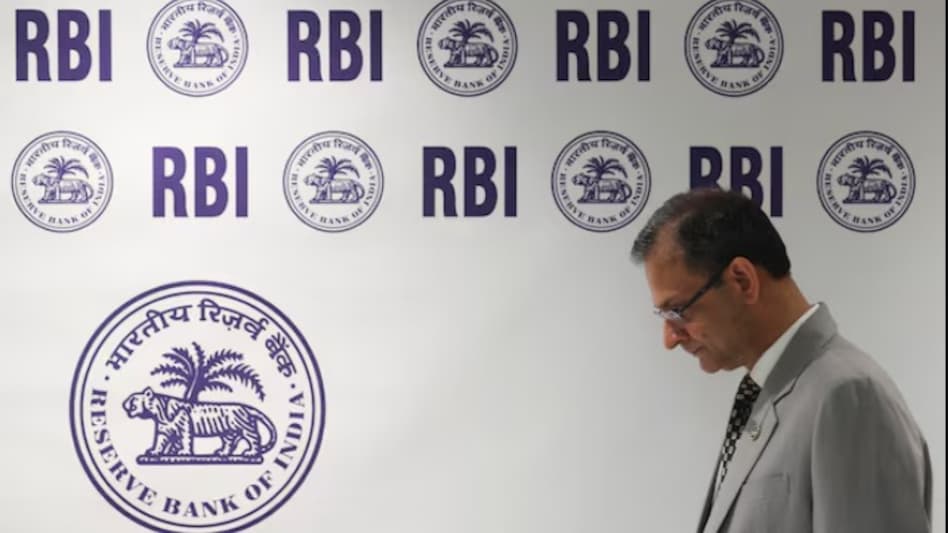
 RBI MPC 2026: Gov Sanjay Malhotra announced the decisions of the monetary policy committee meeting
RBI MPC 2026: The Reserve Bank of India (RBI) kept the repo rate unchanged at 5.25 per cent, said RBI Governor Sanjay Malhotra in the latest monetary policy committee (MPC) announcements. He also said that the central bank would maintain the neutral stance.
Gov Malhotra said the MPC has turned more cautious due to the geopolitical uncertainties.

 BT BIG STORY: Why young global scholars are returning to teach at India's B-schools
 BT Explainer: China’s gold market — What rising ETF inflows and falling physical demand signal
 Bessent's big reveal: 'I asked Europe to impose secondary tariffs on India, but they refused'
 ‘He did not wilt under such situations’: Trump backs 'warrior' Netanyahu for re-election
 From US to Japan, here are the countries with the most Nobel Prizes since 1901
 Gold Vs Silver: Which Could Deliver Better Returns Over The Next 3–5 Years? Expert Shares Targets
 Gold, Silver ETF Purchases Halted: Why Mutual Funds Have Restricted Fresh Investments Before Diwali
 SIR Explained: Forms 6, 7 And 8—What Voters Must Know | Akshita Nandagopal Explains
 Gold Investment Options: ETFs, EGR And MCX Explained | How To Invest In Gold Beyond Physical Buying
 Redmi Note 17 Pro Max Review , Vivo V80, Vivo Vision | Tech Gear EP 20 | Business Today
 Vedanta stock in focus: Metal major doubles South Africa zinc capacity with $600 million investment
 Markets Next Week: Jio Platforms IPO, high crude oil prices and Q2 earnings in focus
 10 investing mistakes retail investors should avoid, from overpaying to panic selling
 YES Bank Q2 profit rises 65% to Rs 1,080 cr; proforma impact of restatement of AT-I bonds revealed
 ICICI Bank Q2 results: Net profit jumps 20% to Rs 14,843 crore; NIM contractsVedanta stock in focus: Metal major doubles South Africa zinc capacity with $600 million investment
 Quote of the Day by Anand Mahindra: 'The best way to propel the economy may be to encourage different parts of the country to go their own way'‘He did not wilt under such situations’: Trump backs 'warrior' Netanyahu for re-electionBT BIG STORY: Why young global scholars are returning to teach at India's B-schoolsBT Explainer: China’s gold market — What rising ETF inflows and falling physical demand signal












