


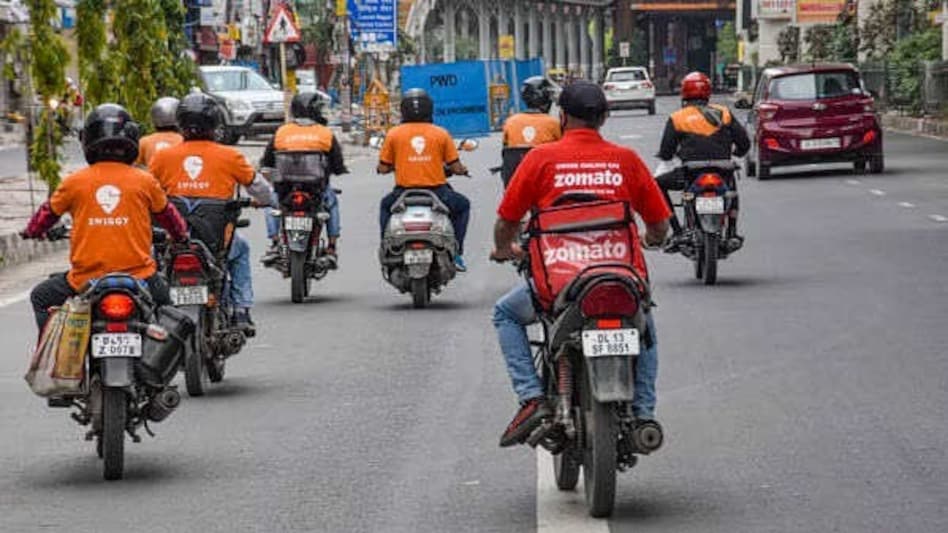
 Platforms have expanded access to work in an economy where nearly 90% of jobs are informal.
When delivery partners called for strikes across cities on New Year’s Eve, the disruption was brief. Orders flowed, deliveries stayed on schedule, and platforms avoided open confrontation. Labour researchers say this wasn’t a coincidence — it reflects the structure of India’s gig economy.
“The biggest reason that the strike failed on Dec 31 is labour oversupply and fragmentation,” says Dr Anjana Karumathil, Associate Professor of Practice at IIM Kozhikode, who researches India’s gig economy. “Even if one fragment stops working, there are always others available who don’t share the same agenda. That itself weakens collective action.”
 NSE share price target: Macquarie sees 10% upside on 'The Dominator', rates it 'Outperform'
 BT Big Story: Is 66% = zero? The Tata Sons question on everyone’s minds
  Max Financial, ICICI Pru Life, HDFC Life, SBI Life shares tumble up to 10%; here's why
 Tata Sons plans to hold its AGM within a month amid boardroom tussle: Report
 Uttar Pradesh elections 2027: UP to be divided into 4 states? Why Om Prakash Rajbhar's claim revives an old debate
 India Growth Outlook Gets Major Boost: S&P, Fitch, ADB Raise FY27 Forecasts; OECD Upgrades 2026 View
 A-One Steels IPO Explained: Key Details, Growth Strategy & Future Outlook | Management Live
 Market Commentary: Nifty Outlook, Stocks & Market Strategy | Deven Choksey
 Ignore Large Caps? Why Investors Are Chasing High P/E Mid Cap Stocks Now
 30 IPOs In A Month: Deven Choksey On IPO Flipping And Secondary Market Liquidity
 Sensex, Nifty fall sharply at open; here's what's weighing on market; NSE listing in focusMax Financial, ICICI Pru Life, HDFC Life, SBI Life shares tumble up to 10%; here's why
 Moneyview IPO opens today: Should you subscribe? Check price band, reviews, fresh GMP and more
 Suzlon Energy, Ola Electric, SAIL: Top stocks to trade — Key levels, target prices & stop loss
 Kalpataru Projects shares in focus as firm wins orders worth Rs 2,025 crore
  Gold, silver prices on September 24: Check latest rates in Delhi, Mumbai, Kolkata, other citiesSensex, Nifty fall sharply at open; here's what's weighing on market; NSE listing in focusUttar Pradesh elections 2027: UP to be divided into 4 states? Why Om Prakash Rajbhar's claim revives an old debateMax Financial, ICICI Pru Life, HDFC Life, SBI Life shares tumble up to 10%; here's why
 Ram Temple donation theft case: 74,000-page chargesheet filed, eight accused named












