


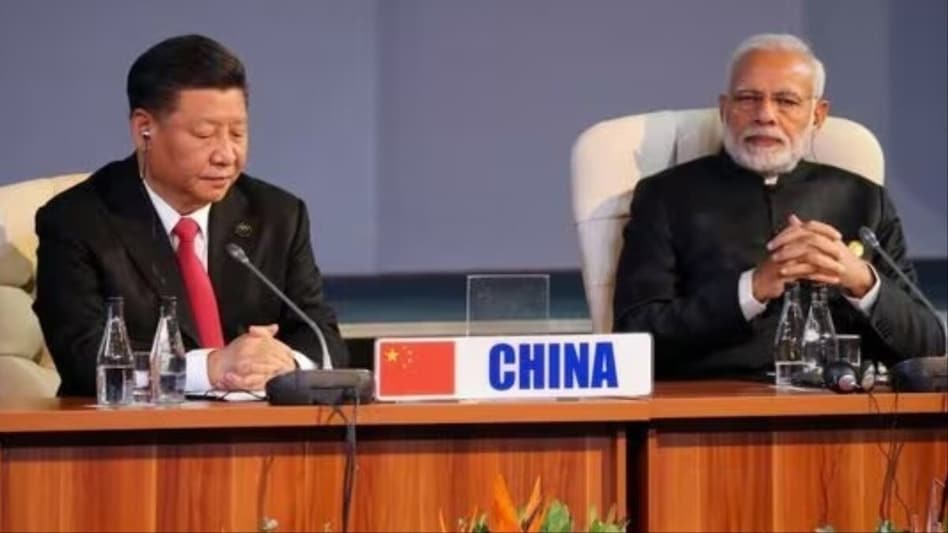
 Tensions have deepened over China's growing partnership with Pakistan
Former Singaporean diplomat and public intellectual Kishore Mahbubani has said that Asia's future stability hinges on how India and China manage their complex relationship. Speaking at a public event, Mahbubani noted that while India remains deeply conscious of its 1962 border war with China, most Chinese are unaware of it — a dynamic that he called "asymmetrical." He also urged young people in both countries to look beyond recent tensions and focus on the region's long history of peaceful coexistence.
"The questions on China and India are much more difficult to answer because I don't know how many of you know this but the relationship between China and India is actually quite complicated. Most Chinese are not aware there was a border war fought between China and India in 1962. Most Indians are aware of this. So there is a certain obsession in India about China but you don't have the obsession in China over India. It's an asymmetrical relationship," he said.

 BT BIG STORY: Why India's affluent seniors are the next big real estate bet
 Rs 20,000 crore FPI outflows in 2 days! Stock market headed for more pain?
 Chandrasekaran, Venu Srinivasan did not disclose family firm deal to Tata Sons board: Report
 No relook at bourses' self-listing rule for now, says Sebi chief
 Strait of Hormuz disruption puts India’s energy security in focus: What former diplomat said
 Mid-Small Cap Allocation: How Much Should Investors Hold In Their Portfolio?
 MSP: ‘Cost Plus 50%’ Principle Fully Maintained, Says Ashwini Vaishnaw
 Economy In Right Hands, Business Environment Very Positive: Nirmal Minda
 Nara Lokesh Exclusive: Why Andhra Pradesh Is In A Hurry To Build Its Data Centre Ecosystem
 KLM Steps Up SAF Push On India-Europe Route
 Bajaj Auto shares slump over 7% after September sales data
 Fortis, Max, Apollo, Medanta, Manipal: Buy hospital stocks for 22-46% upside, says Jefferies
 Kotak Mahindra Bank share price: Why this stock rose 4% today after CEO announcement
 A-One Steels India shares make a decent stock market debut; shares list at 14% premium
 Moneyview shares deliver bumper listing gains; stock debuts at 64% premiumBajaj Auto shares slump over 7% after September sales dataFortis, Max, Apollo, Medanta, Manipal: Buy hospital stocks for 22-46% upside, says JefferiesKotak Mahindra Bank share price: Why this stock rose 4% today after CEO announcementA-One Steels India shares make a decent stock market debut; shares list at 14% premiumMoneyview shares deliver bumper listing gains; stock debuts at 64% premium












