


 Garg added that India is not “dumping” rice in the US and that Indian rice continues to have a steady market there.
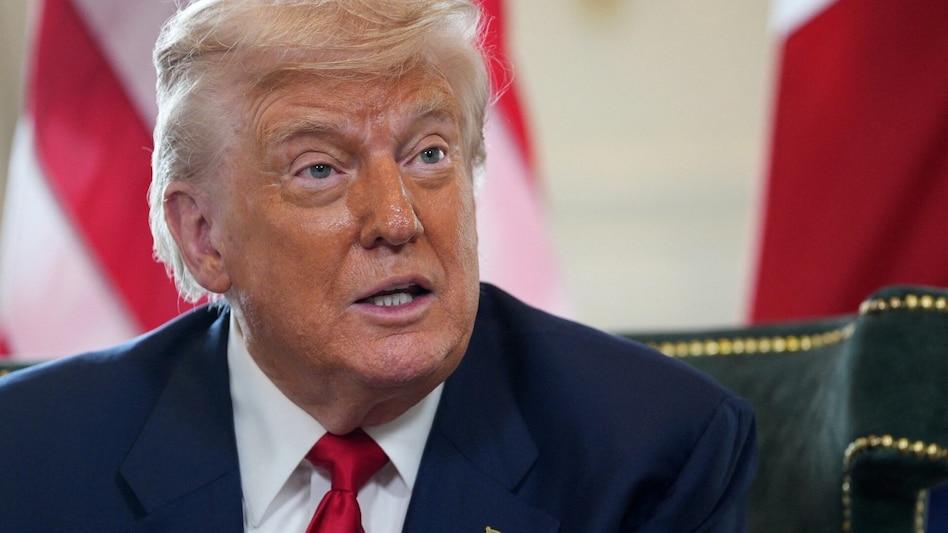
 Dev Garg, the Vice President of the Indian Rice Exporters Federation (IREF), noted that the demand for Indian rice in the United States remains strong despite US President Donald Trump’s threat to raise tariffs on rice imports.
He said, "All the exports of the US market are demand-driven... We have seen that there has been an increasing trend in Indian rice exports to the US market as the popularity of Indian and South Asian dishes have grown in the US market... Because Indian rice has a very distinct flavor, texture, and color palette... The American-grown rice is not a like-for-like substitute for Indian rice."

 BT Big Story: How the FCNR(B) deluge has created two new problems for the RBI
  Tata Sons to be split into smaller entities instead of listing? Here’s what we know
 NSE IPO beats Hyundai, LIC, Paytm in subscription; how 5 largest issues fared
 'Upcoming superpower in Indo-Pacific': V4 countries back India’s UN Security Council bid
 Who is Abhishek Manu Singhvi? The veteran lawyer at the centre of Tata Trusts' fight for control
 Burqa Ban In Italy? Meloni Pushes New Rules On Face Coverings
 Tata Trusts-Tata Sons Row: Harish Salve Explains RBI Rules, Singhvi Flags Shareholder Rights
 Top Legal Eagles Flock To Tata Sons & Tata Trusts As Boardroom Clash Heads To Court
 Over Next Three Years Company Expects To Invest ₹15,000 Cr For Deepwater Exploration
 Tata Sons Listing Row: Shapoor Mistry Backs IPO As Noel Tata Pushes ₹25,000-Crore Plan
 NSE IPO allotment today: Step-by-step guide to check status; allotment odds, GMP & listing date
 GRSE shares in focus as board approves expansion plan, more details
  GIFT Nifty up 46 points; Pine Labs, Waaree, ONGC, GRSE, Lumino, Symbiotec among top stocks in focusNSE IPO beats Hyundai, LIC, Paytm in subscription; how 5 largest issues fared
 Manipal Health clears ₹5,310 crore debt using IPO proceeds, eyes expansion & technology pushNSE IPO allotment today: Step-by-step guide to check status; allotment odds, GMP & listing date
 Petrol, diesel prices today, September 22: Check latest rates in Delhi, Mumbai, Chennai, Kolkata & moreTata Sons to be split into smaller entities instead of listing? Here’s what we knowGRSE shares in focus as board approves expansion plan, more details GIFT Nifty up 46 points; Pine Labs, Waaree, ONGC, GRSE, Lumino, Symbiotec among top stocks in focus












