


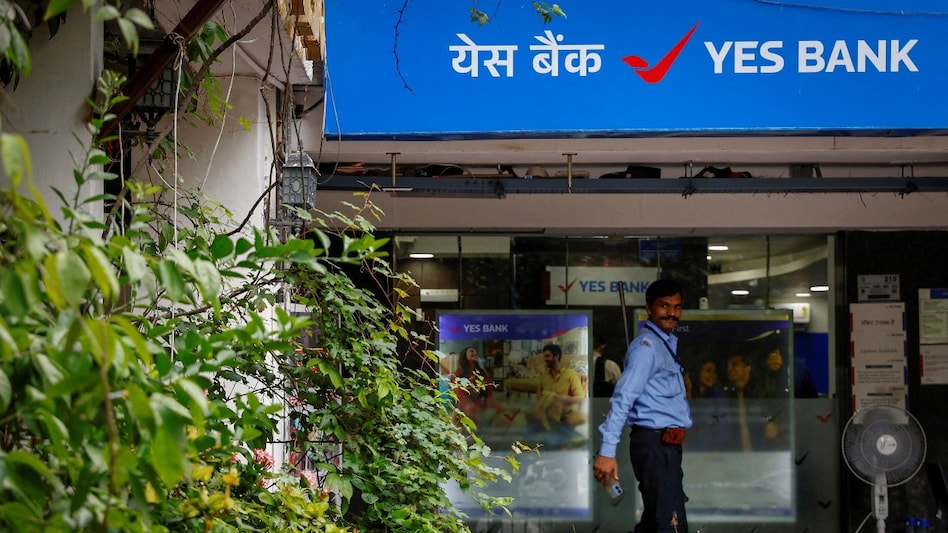
 RBI probes CVV exposure claims; Yes Bank says monitoring flagged Latin America fraud
The Reserve Bank of India has summoned senior officials of Yes Bank following a data breach involving the Yes Bank–BookMyForex multi-currency prepaid forex card, according to a report by The Economic Times.
Card details and CVV numbers of several users were allegedly compromised, prompting the regulator to seek a detailed explanation on how the bank’s systems may have been breached and how sensitive customer data was exposed.

 Anthropic says Claude now leads 26% of its AI R&D work: How fast is AI development accelerating?
 100% tariffs immediately? What Trump’s new Russia sanctions law means for India
 Russian oil & gas purchase: Trump signs Bill into Act targeting 100% tariffs on India, China
 'Tatas today are the face of India...': Former Solicitor General Harish Salve backs Tata Sons public listing
  Trump’s announces Greenland deal with Denmark: What it means for US military presence
 Corporate Vs Personal Health Insurance: Which Is Better On A Budget?
 Gold Price Outlook: Why Gold Could Rise Despite Global Interest Rate Hikes | Silver Market Update
 Health Insurance: Why Claim Settlement Ratio Is Not Enough When Choosing The Right Insurer
 “Unacceptable And Unprofessional”: MEA Rejects Pakistan’s Claims Over INS Kolkata Collision
  Commodity Trading For Beginners: How MCX & NCDEX Work | Trading Basics | Money Today
 Jindal Supreme, SS Retail, Hero Motors IPOs subscribed up to 181 times on final day; details here
 Sensex, Nifty post sixth weekly loss; TCS, Titan among top laggards, slip up to 4%
 How AI collapse could benefit Indian equity market; Jefferies' Christopher Wood explains
  Banks are no more secular growth story, prefer NBFCs: Chris Wood
 Jefferies' Christopher Wood sees gold at $10,000 'sooner or later'; likes India's small, midcaps
 Is Europe preparing for war? Macron Russia warning, drone fears & UK emergency adviceCorporate Vs Personal Health Insurance: Which Is Better On A Budget?Anthropic says Claude now leads 26% of its AI R&D work: How fast is AI development accelerating?Gold Price Outlook: Why Gold Could Rise Despite Global Interest Rate Hikes | Silver Market Update
 Ghosts in the machine: How a false AI intel almost triggered a US-China clash in West Asia












