









 The researchers also explored the serious adverse reactions (SARs).

 The researchers also explored the serious adverse reactions (SARs).
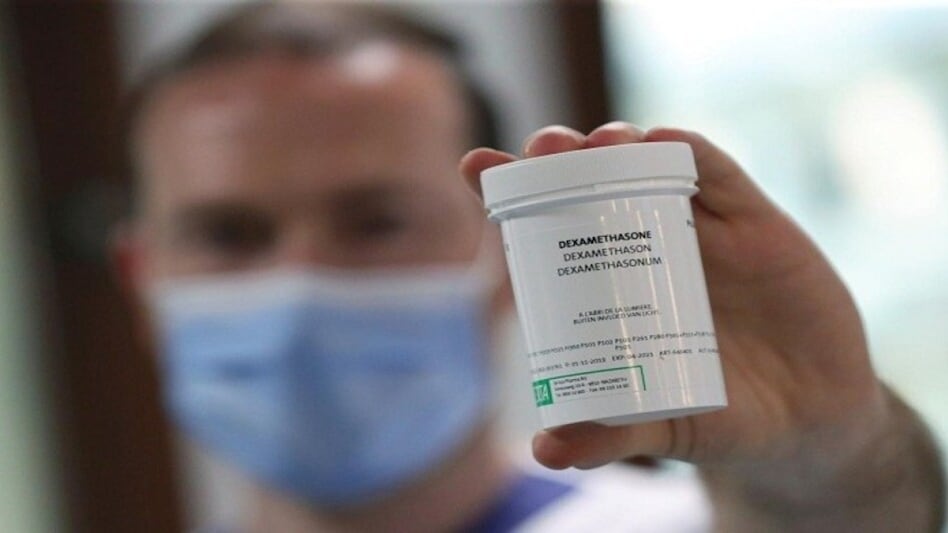
The use of higher doses of dexamethasone, a key drug for treating severe Covid-19 patients had different impacts on mortality risk and life support in India and Europe, says a study published in The Lancet journal.
Patients in Europe who received higher doses had a significantly lower risk of death on day 28 than their counterparts in India. Additionally, European patients gained more days without life support with the higher dose, whereas Indian patients saw minimal difference, the study showed.
In a secondary analysis of the Covid-Steroid 2 trial published in The Lancet Regional Health -Southeast Asia, the study was led by Dr Bharath Kumar Tirupakuzhi Vijayaraghavan from The George Institute for Global Health India and Apollo Hospital, Chennai.
The study was aimed to understand the effects of administering injectable 12 mg versus 6 mg of dexamethasone daily for up to 10 days. The original trial, spanning Denmark, India, Sweden, and Switzerland, laid the groundwork for this study aiming to look into geographic variations in treatment outcomes.
The authors evaluated baseline data for the 982 patients in the Intent-to-Treat (ITT) sample and found predominantly similar variables among treatment arms. However, significant differences included lower weight in India and a higher prevalence of diabetes, underscoring the distinct healthcare landscapes in these regions. A significant finding surfaced with differing mortality rates.
Differences in healthcare landscapes, with lower weight and higher diabetes prevalence in India, influenced outcomes. Europe had lower mortality rates, and Indian patients faced fewer adverse reactions and more days without life support.
On day 28, patients in Europe exhibited an 8.3% lower risk of death with the higher dose, while in India the difference was minimal at 0.1%. These trends persisted on days 90 and 180, emphasising the potential influence of geographic location on treatment efficacy.
The researchers also explored the serious adverse reactions (SARs). While a higher percentage (1.0%) of European patients experienced SARs, the trend reversed in India, where fewer patients (5.3%) encountered adverse reactions with the higher dose.
Variations in the number of days alive without life support at day 90 revealed that Indian patients experienced 1.7 more days without life support compared to their European counterparts, who gained 6.1 additional days. These disparities highlight the intricate nature of treatment responses, authors said.
Additionally, the examination of longer-term Health-Related Quality of Life (HRQoL) outcomes produced varied results. The adjusted mean difference in EQ5D-5L index values revealed a slight incongruity, emphasising the nuanced influence of geography on patient well-being.
The observed variations in treatment effects may be attributed to differences in patient characteristics, healthcare infrastructure, resource availability, and comorbidity profiles, the study said. Factors such as varying levels of healthcare-associated infections, higher diabetes prevalence, and the utilisation of anti-inflammatory medications like IL-6 inhibitors contribute to the complex regional landscape, the authors said.
 No more outdated syllabus: Andhra's new university lets industry design courses for AI era
 Will Tata Sons stay private? RBI's latest circular raises fresh questions
 Japan bets ₹1 lakh crore on India: Manufacturing, AI and semiconductors lead 120 new India-Japan deals
 Bought these stocks? Here's how a ₹144 crore pump-and-dump scam fooled retail investors
 Centre expands drug licensing framework to cover gene and cell therapies
 EPF Overhaul: Voluntary Contributions Above ₹1,800, New Withdrawal Rules Explained
 Raipur Demolition Row: 90+ Families Homeless For MLA Colony, Villagers Protest Amid Tears!
 Market Volatility Ahead? Fund Manager Sunil Shah Reveals His Portfolio Strategy & Top Investment Bet
 Silver Supply Crisis In India? Physical Market Premiums Rise As Imports Slow
 Kunal Shah Says, Gold May Rally Ahead After Recent Correction | Check Upside Potential
 PC Jeweller: Q1 revenue rises 21%; over 90% bank debt repaid; stock jumps nearly 13%
 Sensex, Nifty gain for second straight session; Rs 5.7 lakh crore added to investor wealth in two daysBought these stocks? Here's how a ₹144 crore pump-and-dump scam fooled retail investors
 This newly listed Vedanta demerged stock has rallied over 100% since its market debut; do you own it?
 Zepto IPO soon! Anand Rathi flags profitability risks despite growth potential, check unlisted share price