


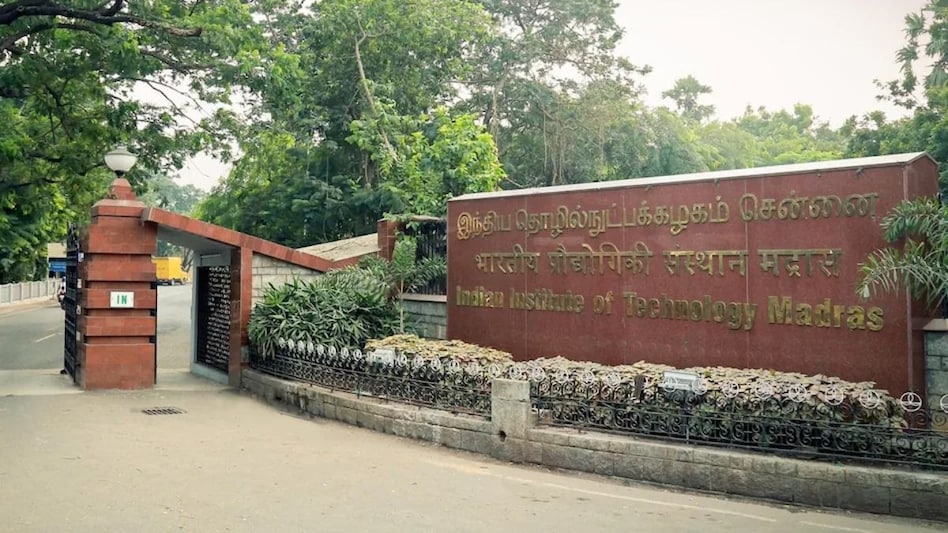
 Developed by the Sudha Gopalakrishnan Brain Centre (SGBC) at IIT Madras, the atlas contains maps of more than 200 brainstem nuclei and fibre tracts
 Researchers at the Indian Institute of Technology Madras (IIT Madras) have released a digital atlas of the human brainstem that could help scientists study neurological diseases and better understand one of the brain's most critical regions.
The platform, called ANCHOR (Atlas of Neurochemical Characterization of the Human Brainstem with 3D Reconstruction), provides three-dimensional maps of the brainstem at cellular resolution and has been made publicly available to researchers worldwide.

 BPCL, IOC, HPCL shares unfazed as Brent crude hits $100 a barrel for first time since July
 IDBI Bank sale: Timing of Fairfax deal announcement being worked out, say government sources
  Gold fell 30%, silver 53%: Why silver could be the bigger winner in near run
 Setback for Indian professionals? US suspends Cognizant green card filings in H-1B visa fraud probe
 Rupee at ₹97 in Dec, ₹100 in June: Why Axis Bank sees another leg of INR weakness
 CM Vijay’s Assembly Gesture Sparks Row, DMK Demands Action In Tamil Nadu House
 India IPO Boom: Why Dalal Street Liquidity Is Shifting
 Auto Ancillaries Rally: Why Are These Stocks Outperforming OEMs? Sanjay Sinha Explains
 Rupee Holds Firm Despite $100 Crude: Can $136 Billion FCNR Inflows Keep Currency Strong?
 Large Caps Vs Midcaps: Where Is The Value As FIIs Pull Money From Big Stocks?
 6 mainboard IPOs open: Expert picks Karamtara Engineering, Manipal Payment; here's whyBPCL, IOC, HPCL shares unfazed as Brent crude hits $100 a barrel for first time since July
 Infosys, TCS, HCL Tech, Coforge, Tech Mahindra, Wipro: Four factors denting sentiment in IT stocks
 Paytm shares jump 5% to hit 52-week high; company clarifies on AI report
 HDFC Bank, ICICI Bank, IndusInd, Axis, Manappuram: Top financial stocks to buy; check fresh targets CM Vijay’s Assembly Gesture Sparks Row, DMK Demands Action In Tamil Nadu HouseIndia IPO Boom: Why Dalal Street Liquidity Is Shifting
 18th BRICS Summit 2026: Check full schedule of leaders’ meetings, key sessions at Bharat MandapamAuto Ancillaries Rally: Why Are These Stocks Outperforming OEMs? Sanjay Sinha ExplainsRupee Holds Firm Despite $100 Crude: Can $136 Billion FCNR Inflows Keep Currency Strong?












