


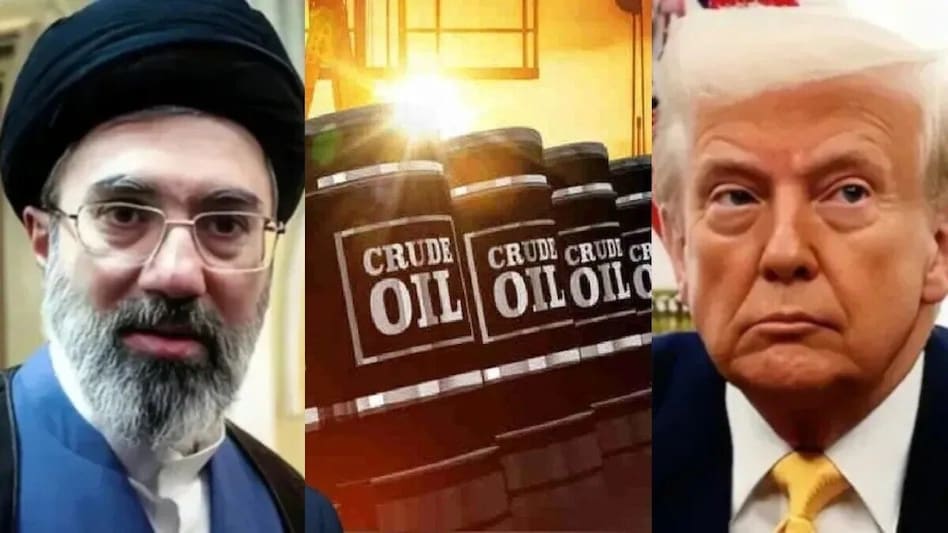
 US-Iran war: How oil prices were contained despite the initial price shocks?
Even as energy prices increased at the start of the West Asia conflict, it soon settled in a range of $90 to $100 per barrel. The International Monetary Fund (IMF) said there are plenty of reasons why oil should have become cripplingly expensive, but the shock absorbers prevented a large-scale disruption.
The IMG explained that three factors helped close the gap even as by the end of May, more than 1.1 billion barrels of crude, which is equivalent to 10 days of typical global consumption, had not reached the market.

 Oracle layoffs: 21,000 jobs already gone, another round likely to come before September
 Ahead of Tata Sons AGM, N Chandrasekaran resigns as chairman, to complete his term
 TCS share price: Why IT stock tanked 5% within minutes; Chandrasekaran resignation & more
 ‘One of the board members did not support…’: Tata Sons Chairman N Chandrasekaran steps down ahead of AGM; full text of statement
 The journey of N Chandrasekaran - From humble beginnings to Ratan Tata's most trusted lieutenant
 SEBI Chief Tuhin Kanta Pandey’s 4-Point Plan To Transform India’s Commodity Markets
 Amit Shah On NEET Protest Row: “Government Ready For Detailed Discussion In Parliament.”
 Egypt's Big Balancing Act: Why Cairo Said No To Turkey-Saudi-Pakistan's New Defence Alliance
 Vijay Govt Faces BJP Heat Over Christian Symbolism, FCRA Resolution And Finance Minister's Remarks
 Donald Trump Allegedly Used Catering Truck And Decoy Aircraft To Evade Iranian Threat In Turkey
 Market outlook: What is preventing Nifty from hitting record high? Amit Goel answers
 Need to be watchful, but be persistent: Sebi chief on new market closing auction system
 Tata Motors, TCS, TMPV, Tata Elxsi: Support and resistance levels for Tata group stocks
 Why Senco Gold shares slumped 14% despite strong Q1 revenue growth
 LEAP India IPO: Check application status, allotment odds, GMP, listing date & more
 Russia appoints former CJI DY Chandrachud as arbitrator for legal battle with Ukrainian bank
 'Never imagined a response': MP family seeks answers on 109-year-old ₹35,000 British loan
 iOS 27 beta 5 reveals six unreleased iPhones; Foldable iPhone Ultra, iPhone 18 series and other models spotted
 SGB 2019 investors can redeem at ₹15,102: How much profit will you make if withdraw prematurely?
 India adds Attari, 10 more e-visa entry points, restrictions on Pakistani travellers to continue










