


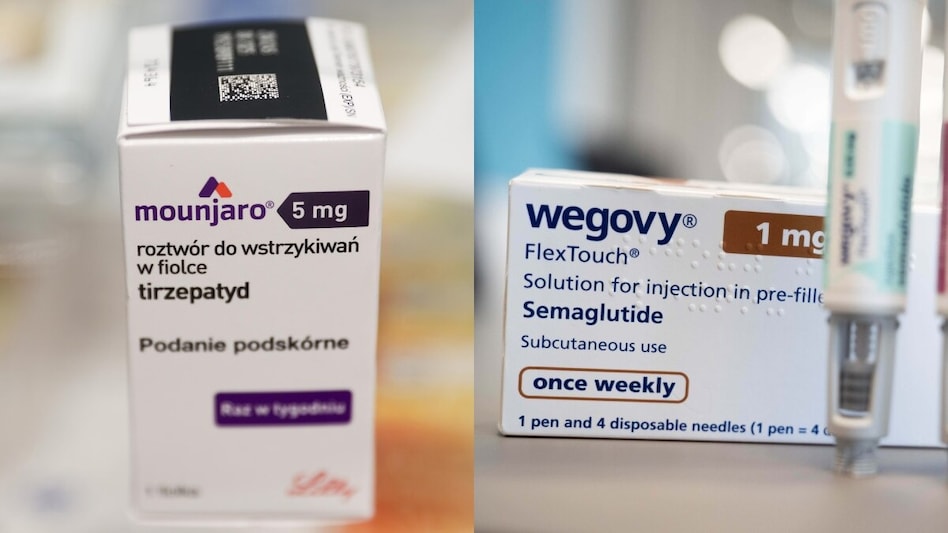
 The broader anti-diabetic market in India continues to expand, reaching ₹21,404 crore in MAT September 2025, up from ₹15,964 crore four years ago.
 Despite rising sales driven by premium pricing, volumes of recently launched blockbuster drugs like Eli Lilly’s Mounjaro (tirzepatide) and Novo Nordisk’s Wegovy (semaglutide) are falling, as India faces challenges in scaling next-generation anti-obesity therapies.
Eli Lilly’s Mounjaro has made a significant impact on India’s anti-diabetic and anti-obesity segment, posting ₹80.15 crore in sales in September 2025—a 43% jump from ₹56.01 crore in August, according to data released by market research firm Pharmarack. Since its March 2025 launch, cumulative revenue has reached ₹233.83 crore. The surge is powered by Lilly’s premium multi-dose KwikPen, which delivers more treatment cycles per unit at a higher price.

 Tata Trusts opposes N Chandrasekaran reappointment, says board resolution is ‘legal nullity’
 'It is now time to move on': Noel Tata opposes Chandrasekaran's fresh term at Tata Sons
 N Chandrasekaran reappointed for 5 yrs as Tata Sons Chairman; board approves public listing
 Tata Sons IPO: Board approves listing on stock exchanges
 NSE IPO day 1 update : Issue subscribed 31% so far; NIIs, employees lead bidding | Key details
 Gold ETF vs Physical Gold: Know the Tax Rules, Charges and Key Differences
  PPF vs NPS: Tax Benefits, Returns and Lock-in Period Explained for Retirement Planning
  FDs, RDs & Savings Accounts: Why They May Not Help Build Wealth After Tax & Inflation
  U.S. House Clears Russia Sanctions Bill As Senator Warns India, China Over Russian Oil
  NSE Vs BSE Valuations: Gaurang Shah Compares India's Leading Stock Exchanges And Their Growth
 Sensex slips, Nifty settles higher; Tata stocks gain after N Chandrasekaran reappointment
 Cochin Shipyard, KRBL, RITES, Ramky Infrastructure among stocks to turn ex-dividend on September 18
 Kalyan Jewellers, PC Jeweller, Thangamayil Jewellery, Titan: Jewellery stocks suffer double whammy; here's why
  Tata stock to buy: Jefferies says buy this stock for 23% upside
 Nalco shares: Buy, hold or sell? Target price after 14% rise this year
 'We cannot put the cart before...': Noel Tata's argument against N Chandrasekaran's reappointment Gold ETF vs Physical Gold: Know the Tax Rules, Charges and Key Differences
  Semicon 2.0 gets bigger: Govt targets 200 chip design startups with ₹1.27 lakh crore plan, says Ashwini VaishnawPPF vs NPS: Tax Benefits, Returns and Lock-in Period Explained for Retirement Planning FDs, RDs & Savings Accounts: Why They May Not Help Build Wealth After Tax & Inflation












