


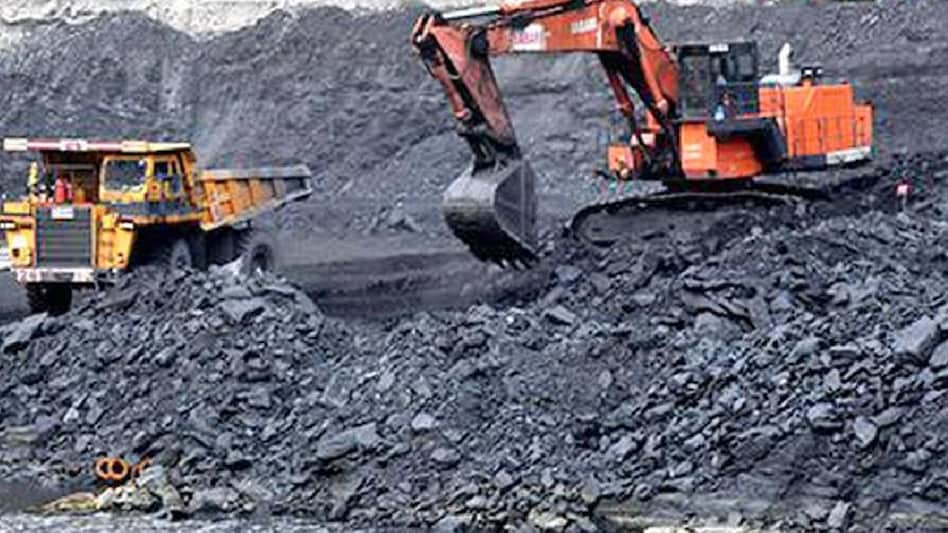
 When China’s coal demand stops growing, the world’s coal market stops growing with it
There is a 50% decline in global coal demand growth rate in last 20 years and rapid growth in renewable energy capacity in China shows signs of global coal demand flattening, according to analysis based on IEA data.
The analysis shows that growth in coal demand has been steadily growing in India and ASEAN countries, though that growth has been offset by the decline in coal demand in the EU and US. Coal demand trends in the rest of the world have largely remained flat.

 JSW Infrastructure shares hit record high; stock up over 50% in six months
 GRSE shares rise 4% as board approves Rs 2,896 crore for shipyard expansion
 OpenAI warns of autonomous AI risks, calls for global rules before AI starts improving itself
 Most expensive residential unit: All about Dinesh Thakkar who bought ₹711 crore Juhu tower
 Meesho shares: Fresh price target signals 24% upside as UBS raises growth estimates
  Market Guru: Anshul Saigal On Market Outlook & Key Investment Themes
 Data Centres To Defence: Kshitiz Mahajan’s Key Investment Themes
 Varmora Granito IPO: How Management Plans To Reduce Morbi Concentration Risk
 What’s Hot: Stocks, Gold & Big Money Moves | Daily Markets Show | September 22 | Business Today
 IT Stocks: Is The Worst Over? Kshitiz Mahajan Shares His Market View
 Vodafone Idea shares up 3%, Bharti Airtel falls: What TRAI's new rules say
 Engineers India shares: EIL jumps 6% on Kenya greenfield refinery plant
 Optiemus Infracom shares hit 20% upper circuit limit on Nothing JV; here's why
 Protean eGov shares extend gains; here's what analysts say
 ITC Hotels shares: Jefferies sees 32% upside; stock down 19% in 2026 so far Market Guru: Anshul Saigal On Market Outlook & Key Investment Themes
 Industry needs to separate ownership from management; every disagreement need not become litigation: Nirmala SitharamanData Centres To Defence: Kshitiz Mahajan’s Key Investment ThemesVodafone Idea shares up 3%, Bharti Airtel falls: What TRAI's new rules sayVarmora Granito IPO: How Management Plans To Reduce Morbi Concentration Risk












