


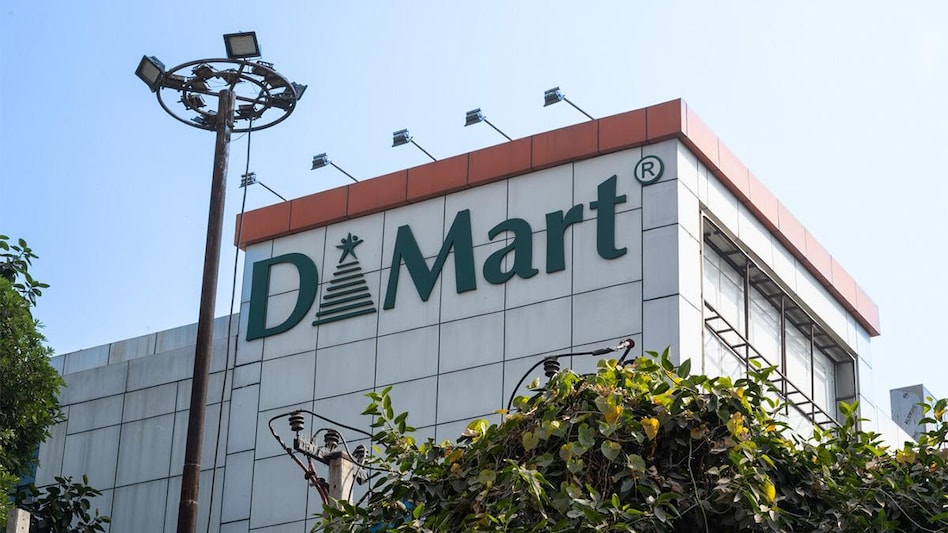
 Abhijeet Kundu, Senior Vice President of Research at Antique Stock Broking, points out that DMart followed the Walmart model by owning real estate. There is a clear logic in this approach.
Standing tall in India’s complex retail story is Radhakishan Damani, one of the most astute investors. Avenue Supermarts, which owns the DMart hypermarket chain of stores, a company he has promoted, rolled out its first outlet in Mumbai’s Powai area in 2002. Since then, its footprint has grown to 302 stores across 18 cities. Just by way of comparison, it had 131 stores at the end of FY17. With a model that is unique, effective and relentless on execution, the company is the toast of its investors, apart from posing a serious entry barrier to potential competition. Paradoxically, for the price-conscious Indian consumer, DMart is a high-quality value proposition. It is almost impossible to better them on that, or in simple terms, offer better discounts to customers.
Abhijeet Kundu, Senior Vice President of Research at Antique Stock Broking, points out that DMart followed the Walmart model by owning real estate. There is a clear logic in this approach. The thumb rule is that rental costs should account for around three per cent of a retailer's turnover. And with most efficient retailers operating at an EBITDA (earnings before interest, taxes, depreciation and amortisation) margin of 3-4 per cent, the ability to control costs becomes extremely critical. By owning its real estate, DMart is able to deliver higher EBITDA margins since what is saved in rentals goes straight to the bottom line.

 BRICS 2026: PM Modi says Summit will spur meaningful talks for world welfare
 BRICS nations must open markets for each other’s products, ease up clearances: Piyush Goyal
  Hack-for-hire operations allegations: US lawmakers urge Lutnick to sanction 3 Indian tech firms
 NSE IPO to take 2026 IPO fundraising past Rs 1 lakh crore, 3rd year in a row, 4th overall
 BRICS Summit 2026: Huawei, Alibaba, Emirates among names likely at PM Modi's business forum address
 Crypto to Mutual Funds: Gen Z’s Surprising Investment Shift
 Gen Z Investors: Smart Investing Or Risky Game? Experts Decode The New Money Mindset
 Can BRICS Share Data Without Sharing Control? RITES CMD Rahul Mithal On MAITRI
 India’s Hidden Gems Could Unlock A $500 Bln Export Opportunity: ICIB’s Manpreet Singh
 China Is Not Just A Rival, It’s A Market For Indian Companies Says ICIB President Manpreet Singh
 Raymond shares rally over 57% in two weeks; what's fuelling the surge?
 Glass Wall Systems (India) IPO: 3 Ways to allotment status; odds of getting shares & latest GMP
 Prasol Chemicals IPO: How to check allotment status on BSE, NSE & Kfin; odds of getting shares & GMPNSE IPO to take 2026 IPO fundraising past Rs 1 lakh crore, 3rd year in a row, 4th overall
 Vedanta, Tata Steel, Nalco, other metal stocks fall as Nifty Metal slips 2%; what's weighing?Raymond shares rally over 57% in two weeks; what's fuelling the surge?Glass Wall Systems (India) IPO: 3 Ways to allotment status; odds of getting shares & latest GMP
 Operation Economic Outcast: Scott Bessant says major bank in sanction crosshairs for helping Iran
 Instagram rolls out new feature to add tagged posts to your profile grid: Here’s how it works
 'Haiwaan' movie Twitter review: 'Filling Mohanlal's shoes is never easy,' say netizens on Akshay-Saif film












