


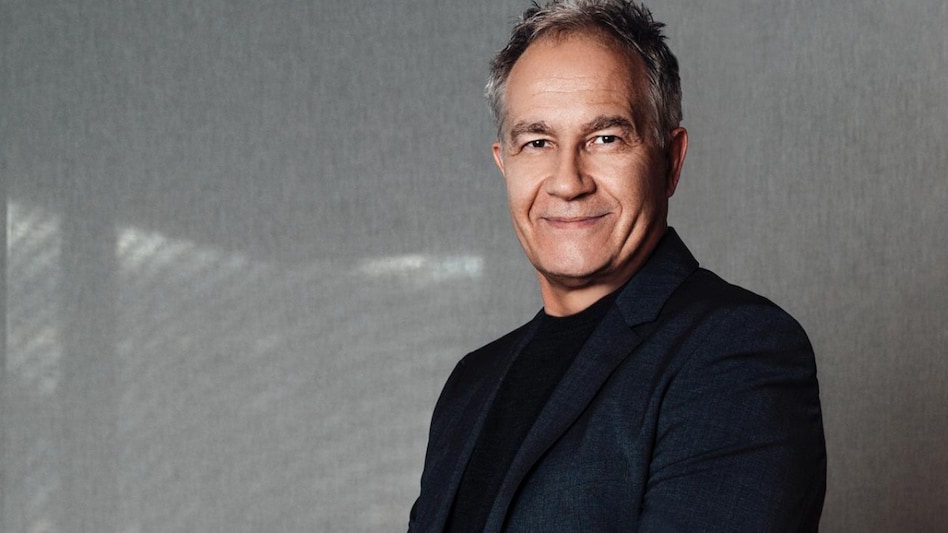
 Rado CEO Adrian Bosshard explained how several luxury watchmakers, after a slowdown in China last year, are turning their focus to India.
Swiss watchmaker Rado is bullish on India, its biggest market which clocked high double-digit growth in 2025, as China sees a slowdown in luxury goods sales. In an interview with Business Today, Rado CEO Adrian Bosshard talks about how several luxury watch brands, after losing business in China last year, are now jumping to India and why he is upbeat on the Indian market—which contributes a double-digit share to Rado’s global sales among the 80-odd countries where the luxury watch brand is present in. Edited excerpts:
How strategic is the Indian market for Rado? How has your view of the market evolved over the years?
 BT BIG STORY: IPO done, NSE is now looking at other options for future business
 LTCG tax rollback: What investors want from Budget 2027 and will the government deliver?
 Hyundai inaugurates AI-enabled Pune plant backed by ₹11,000 crore investment
 No-cost EMI vs upfront payment: When does buying on instalments make sense?
 Apple HomeView vs Amazon Echo Show: How the two smart displays compare on price and features
 IMC 2026: The Biggest Tech Innovations You Need To See!
 What Is A Specialized Investment Fund (SIF)? SIF Vs Mutual Funds Explained
 This Week In Cinema: Jailer 2, Ranabaali, Prahaar, Nayyi Navelli & Street Fighter Hit Theatres
 India Inflation Shock: WPI Hits 11.39%, CPI At 5.54% As Crude Oil Touches $107 A Barrel
 Cabinet Approves IDBI Bank Stake Sale to Fairfax: Is the Stock Still a Buy?
 BT BIG STORY: IPO done, NSE is now looking at other options for future businessLTCG tax rollback: What investors want from Budget 2027 and will the government deliver?
 Jio Platforms IPO: Price band announced at Rs 1,065-1,119; set to become India's biggest public issue
 Jio Platforms files RHP for IPO of up to 27 crore shares; issue to open on October 21
 Tata Tech Q2 profit rises 4% to Rs 171 crore; revenue jumps 28%
 Quote of the Day by Elon Musk: 'I don't think it's a good idea to plan to sell a company'
 Will every UPI payment attract a charge? NPCI delays select merchant fees, and these details matter before you worry
 Orionid meteor shower peaks on October 21–22: How Indian families can plan a skywatching night without a telescopeHyundai inaugurates AI-enabled Pune plant backed by ₹11,000 crore investment
 Supreme Court to hear Rahul Gandhi's plea over SIR voter deletions; here's what the LoP's petition states












