


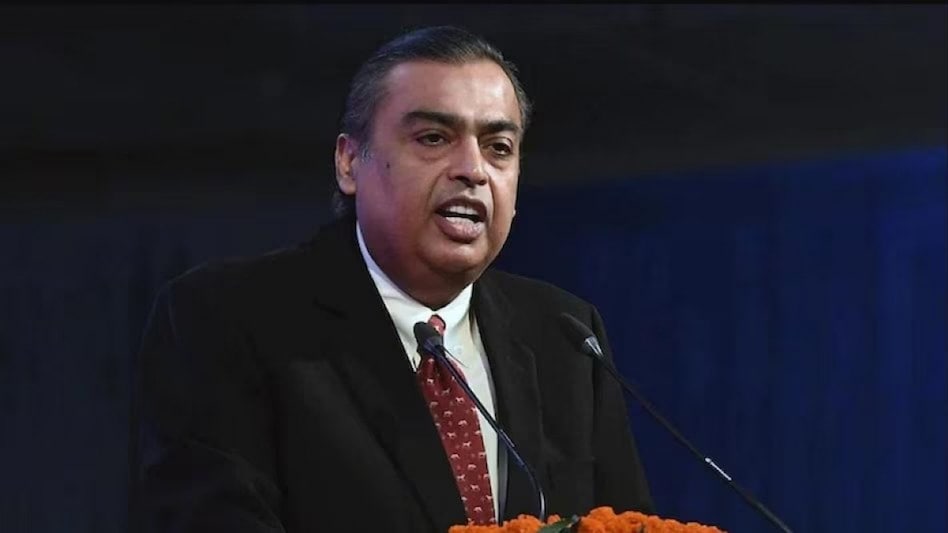
 RIL Chairman says the first priority is to deliver a fully integrated, end-to-end solar PV manufacturing ecosystem
Addressing India’s Energy Trilemma (affordability, sustainability and security of energy), Reliance Industries Chairman Mukesh Ambani said he believe the company is uniquely positioned to offer a practical solution to the serious problems facing the country. Reliance’s New Energy and New Materials business squarely addresses this trilemma as the company has been investing and developing various aspects of green energy.
Speaking at the Annual General Meeting, Ambani explained: “With the climate crisis looming large, the world is going through a multi-decadal era of transformation from fossil fuels to green energy. This transformation requires significant investments in skills and capabilities, technology and innovation, as well as in building large-scale manufacturing ecosystems. All this provides strong tailwinds to our New Materials and New Energy businesses.” The next few years are going to be transformational for Reliance as it positions India to be a world leader and trendsetter in energy transition. For this, it will deploy the committed capital of Rs 75,000 crore to build new energy manufacturing ecosystem, which will enable the company to accelerate giga-scale production for round-the-clock power and for large-scale green hydrogen production for green chemicals manufacturing, as well as for green mobility.

 RBI's forex swap scheme pulls in record $143.6 billion till Sep 18
  Bank strike next week: Five-day disruption may hit your salary credits
 NSE IPO subscribed 5.7 times as QIBs lead demand; shares to list on BSE on September 24
 Indian Oil, HPCL, BPCL shares rise as brent crude prices fall for fourth day
  Tata Sons power struggle: Who will pay for the next legal battle?
 Burqa Ban In Italy? Meloni Pushes New Rules On Face Coverings
 Tata Trusts-Tata Sons Row: Harish Salve Explains RBI Rules, Singhvi Flags Shareholder Rights
 Top Legal Eagles Flock To Tata Sons & Tata Trusts As Boardroom Clash Heads To Court
 Over Next Three Years Company Expects To Invest ₹15,000 Cr For Deepwater Exploration
 Tata Sons Listing Row: Shapoor Mistry Backs IPO As Noel Tata Pushes ₹25,000-Crore Plan
 NSE IPO subscribed 5.7 times as QIBs lead demand; shares to list on BSE on September 24
 Brokerage sees 96% upside potential in this smallcap stock
 Dr. Reddy’s, Lupin shares among buzzing stocks as pharma sector back in focus
  3 Warren Buffett quotes for Indian stock market investors today
 Sensex jumps 564 points, Nifty tops 23,400; will this upmove sustain?
 A look at Harish Salve's career as he advises Tata Sons Chairman
  JLR in talks with 8-9 banks to raise £1 billion amid Tata leadership uncertainty
 Why India’s young affluent buyers are shifting from apartments to land, luxury and lifestyle assets
 'Faculty must be able to uphold exam integrity without fear': IIT Madras association on IIT Bombay case
 'Wrong to automatically fix guilt on upper castes; it's reverse casteism': Sudheendra Kulkarni on IIT Bombay case












