








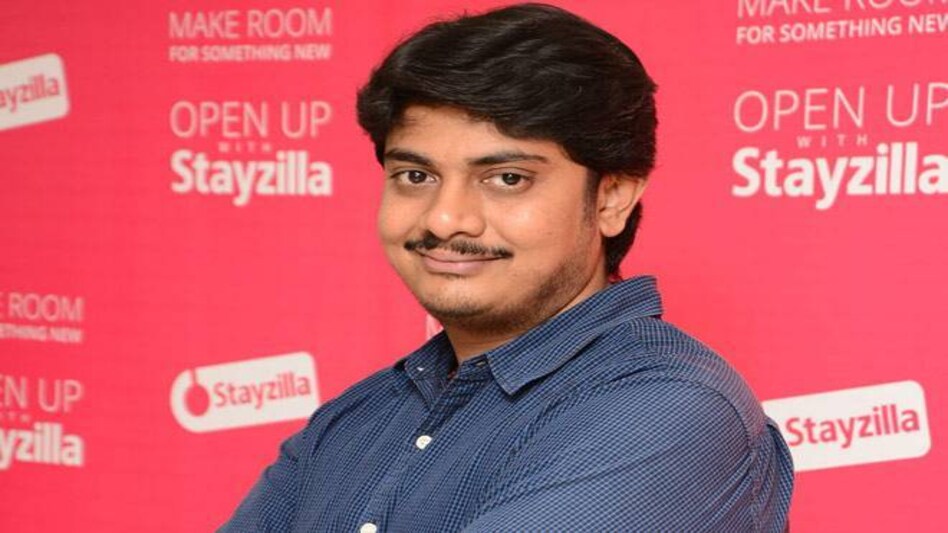
Stayzilla, the Chennai-headquartered hotel and homestay aggregator that had cumulatively raised $34 million (about Rs 220 crore), shut operations on February 23 this year. Yogendra 'Yogi' Vasupal, one of the co-founders and chief executive of the company wrote a blog post explaining the move. While the candid post attracted some praise on how to admit missteps, subsequent events have cast a spotlight on the challenges of running and, when it comes to it, shuttering a start-up in India.
The Chennai police arrested Yogi on March 14, following a complaint from Jigsaw advertising agency, who said Stayzilla had not paid the company its dues of over Rs 1.56 crore for the services rendered. Meanwhile, Rupal Surana, Yogi's wife and co-founder of the company, published a post on Medium, which was earlier written by Vasupal. It came with a dramatic headline that says, 'Help! I need everybody.'
In his post, Vasupal claimed that his former landlord sent him death threats (presumably for not paying rent) and also elaborated on Stayzilla's dispute with its media agency (Jigsaw) and going by what he said, it looked like some people tried to intimidate the members of the founders' families.
Since then some of the investors in Stayzilla, who had lost their money, appealed for his release. Sections of the media, who focus exclusively on the start-up world, also started a campaign on Vasupal's behalf. Karnataka IT minister Priyank Kharge said he had spoken to his Tamil Nadu counterpart for a fair hearing for Vasupal. Kharge said he had been goaded into action by some of the "stalwarts of the start-up community" who appealed to him for help. Jigsaw, on its part, claimed fraudulent behaviour by Vasupal and Stayzilla.
Even as Vasupal's legal team is working on getting him released, there are a few takeaways for entrepreneurs. Start-ups clearly need to plan better for contingencies like this. It is the nature of the beast that majority of the start-ups will fail. So entrepreneurs and investors need to have a plan in place on when they will pull the plug, without dropping off into an abyss. Stayzilla seems to have waited till the very end and even crossed that line. While Vasupal was forthright in admitting the mistakes made, there doesn't seem to have been a contingency plan.
Start-ups also need to communicate with ALL stakeholders. Stayzilla seems to have made the mistake of communicating with only employees and investors, ignoring other stakeholders such as service providers and vendors to whom it may possibly owe money. While nobody knows for sure whether more communication could have helped resolve issues with the landlord and the media agency, it looks like not much effort had been made early on to communicate the challenges confronting the company.
While death threats and intimidation are deplorable, start-ups, too, need to minimise collateral damage when they go down. Although the legal system of the country can resolve the ongoing issues, entrepreneurs can learn from the Stayzilla saga and stay better prepared to grow and succeed.
 Inside the India-US interim trade agreement: Reciprocal tariffs on India to come down to 18%, 0% duty on generic pharma
 Q3 results: HAL, Titan, M&M, HUL, ONGC, Lenskart to post earnings next week; check dates
 India, US to boost trade in GPUs, advanced tech under interim pact framework
 India-US interim trade pact: From diamonds to silk — Full list of products under 18% tariffs
 India-US interim trade pact -- 'Farmers safe, country developed': Piyush Goyal says India's agri exports to go up
 RBI Says Trade Deals With EU, US & Others Strengthen India’s External Sector Outlook
 Jeffrey Sachs Praises Modi On India-US Trade Deal: “Trump Blinked, India Must Not Depend On U.S.”
 Agra’s ₹127 Cr Housing Project In Ruins: Flats For Poor Rot Before Occupation
 RBI Credit Policy LIVE Analysis | Aditya Pagaria Explains Rate Pause Impact
 TeamLease Q3 Results: Profit Jumps 47% As Margins Improve Despite Headcount Loss
 Q3 results: HAL, Titan, M&M, HUL, ONGC, Lenskart to post earnings next week; check dates
 'Think about it': Deepak Shenoy warns indices mask stress as majority of Nifty 500 stocks lag
 Bitcoin avoids $60,000 breakdown, still down over 50% from record high
  NSE IPO: NSE board approves long-delayed listing plans; IPO to have equity shares of face value Re 1
 Max Healthcare discontinues patented cancer drugs, writes to CGHS to review pricing