


 PolyCycl’s origins lie in founder Amit Tandon’s early interest in clean technology, sparked while he was working in the US semiconductor industry in the early 2000s.
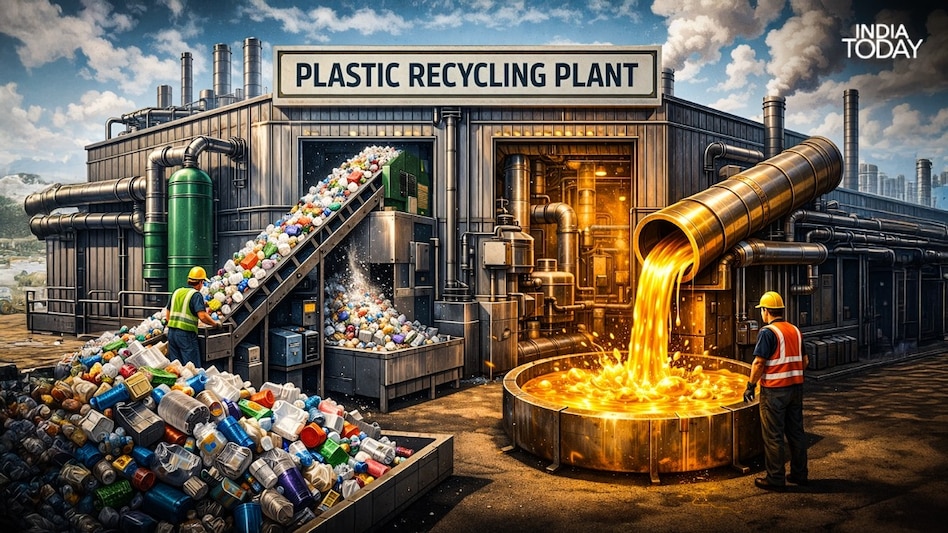
 After nearly a decade of research and engineering, PolyCycl, a Chandigarh-based deep-tech start-up working on chemical recycling solutions for hard-to-recycle plastics, is stepping into its commercial phase, aiming to tackle one of the toughest problems in sustainability: what to do with plastics that cannot be mechanically recycled.
Founded in 2016, the company has developed a fully continuous chemical recycling platform that converts low-grade, end-of-life plastics into liquid hydrocarbon oils. These oils can then be refined and reused as feedstock by petrochemical companies to manufacture new plastics, including food-grade materials. The company recently received an undisclosed Series A investment from Rainmatter, Zerodha’s climate-focused investment arm, to accelerate industrial deployments of its technology.

 'RBI letter does not mention listing': Noel Tata seeks full briefing on Tata Sons-RBI talks
 El Nino impact? India headed for driest monsoon since 2009, food inflation fears rise: Report
 Tata Trusts asks Tata Sons to explore options other than listing, says ‘Tata Model has to be saved’
 Tata Trusts proposes ₹25,000 crore plan for SP Group, says Tata Sons listing is not an option
 FD rates before RBI MPC meet: These small finance banks offer 8%+ interest on fixed deposits
 Corporate Health Insurance Vs Retail Policy: Why You Need Personal Health Cover Too
 How India Changed In 12 Years: PM Modi’s Journey From Economic Reforms To Viksit Bharat
 Modi @76: From Twitter To Instagram, How His Digital Outreach Has Evolved
 Stock Picks To Watch: Shibani Kurian Reveals Kotak AMC’s Market Bets
 Gold ETF vs Physical Gold: Know the Tax Rules, Charges and Key Differences
 Top stocks in news: Tata stocks, BEL, Wipro, Veegaland, IndiGo, Skyways Air, PB Fintech, PTC India
 Tata stock to buy: Nuvama bets on unique tech-telecom play, sees 28% upside
  IndiGo shares in focus as baggage, infant fee, priority boarding charges likely raised
 Hero Motors IPO subscribed 3.37 times on Day 2; retail portion subscribed over 5 times
 NSE IPO: India's largest exchange gets 43% subscription on Day 1; NIIs, retail see strong demand
 ‘An Indian consumes 1/10th of an average American’: Amb Kwatra says energy security comes firstTop stocks in news: Tata stocks, BEL, Wipro, Veegaland, IndiGo, Skyways Air, PB Fintech, PTC IndiaTata stock to buy: Nuvama bets on unique tech-telecom play, sees 28% upside
  LPG, CNG, PNG prices today (September 18): Check latest rates in Delhi, Mumbai, Kolkata, other citiesIndiGo shares in focus as baggage, infant fee, priority boarding charges likely raised












