








Tata Consultancy Services (TCS) at its board meeting on February 20, 2016 approved the buyback of 5.61 crore shares subject to a maximum outlay of Rs 16,000 crore. This would mean a buy back of the shares at a maximum price of Rs 2, 850. This came on the backdrop of Cognizant announcing a $3.4 billion buyback of shares, a couple of weeks ago. "The buyback of the shares, is a good indication of the under valuation of the stock in the markets and is good given that the cash yields are running low and earning yield in IT industry has improved on back of the underperformance of the stock, says Sarabjit Kour Nangra, VP Research- IT, Angel Broking.
In a share buyback a company offers to purchase shares from the shareholder which reduces the equity base of the company.
TCS will be conducting this buyback of 5.61 crore shares via the proportionate tender offer route to its existing shareholders, which will constitute 2.85 per cent of its total paid up capital. Normally, buybacks are done through three methods --- proportionate tender offer to existing shareholders, from the open market or from odd lot shareholders.
The TCS management had indicated the likelihood of a buyback on February 15 and therefore the announcement on Feb 20 was a logical culmination to the same. "Major IT companies like TCS, Infosys, Wipro and HCL Tech are estimated to be sitting on a combined cash pile of $16 billion. With limited opportunities for large capital investments or for strategic acquisitions and mergers, there have been strident demands for distributing this cash in the form of special dividends or in the form of buyback of shares", says Angel Broking in its blog.
The promoter group consisting of Tata Sons and few other group companies such as Tata Power and Tata Steel own nearly 73.31 per cent of TCS. Since this is a proportionate buyback, even if all the shareholders tender their shares in the said proportion, the post-buyback stake of the TCS promoters will continue to remain at 73.31 per cent. Thus from the Tata Sons point of view there will be no dilution of equity stake in the event all shareholders, including the promoters participate in the buyback offer. "But what is more likely to happen is that institutions, high networth individuals and retail investors may look to exit their holdings in a bigger proportion as the price of Rs 2,850 is very attractive and is closer to the recent highs touched by the company", highlights the Angel Broking blog. TCS touched a high of Rs 2,740 in August 2016 and the buyback price is 13 per cent higher than its current market price.
The company has a cash pile of around Rs 39,000 crore and the buyback will account for nearly Rs 16,000 crore of this cash pile. "If the promoters opt to participate in the proportionate buyback, then for them it represents a smarter and more economical method than getting dividends," says the blog. Dividends attract 15 per cent dividend distribution tax (DDT) and an additional 10 per cent tax in the hands of shareholders if the annual dividend income is more than Rs 1 million. The IT major, has been a regular dividend payer with an average dividend pay-out ratio of 46 per cent over five years.
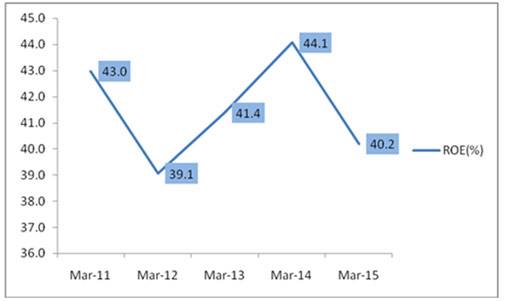
Buybacks have been generally beneficial for promoter shareholders. It either offers them a dividend arbitrage without loss of control or increases their hold over the company. "The buyback will take out a part of cash out of the books of TCS which will enhance the overall return on equity, as the proportion of the low yielding asset ( i.e. cash ) will be reduced in the balance sheet and hence will reward shareholders," says Nangra.
 India-US interim trade agreement: 'No GM modified product allowed, agri sector protected,' says Piyush Goyal
 'Strengthens supply chains against China, support Rupee stability': Amitabh Kant says tariff cut to 18% gives India edge in US market
 Inside the India-US interim trade agreement: Reciprocal tariffs on India to come down to 18%, 0% duty on generic pharma
 From ‘embarrassing’ to impressive: Top Silicon Valley VC calls Sarvam praises Indic AI breakthroughs
 India-US interim trade pact: From diamonds to silk — Full list of products under 18% tariffs
 RBI Says Trade Deals With EU, US & Others Strengthen India’s External Sector Outlook
 Jeffrey Sachs Praises Modi On India-US Trade Deal: “Trump Blinked, India Must Not Depend On U.S.”
 Agra’s ₹127 Cr Housing Project In Ruins: Flats For Poor Rot Before Occupation
 RBI Credit Policy LIVE Analysis | Aditya Pagaria Explains Rate Pause Impact
 TeamLease Q3 Results: Profit Jumps 47% As Margins Improve Despite Headcount Loss
 IDBI Bank stake sale: Kotak Mahindra Bank says ‘has not submitted a financial bid’
 BDL, Mazagon Dock, MRF, Hindustan Copper, RVNL, others to turn ex-dividend next week
 Q3 results: HAL, Titan, M&M, HUL, ONGC, Lenskart to post earnings next week; check dates
 'Think about it': Deepak Shenoy warns indices mask stress as majority of Nifty 500 stocks lag
 Bitcoin avoids $60,000 breakdown, still down over 50% from record high