













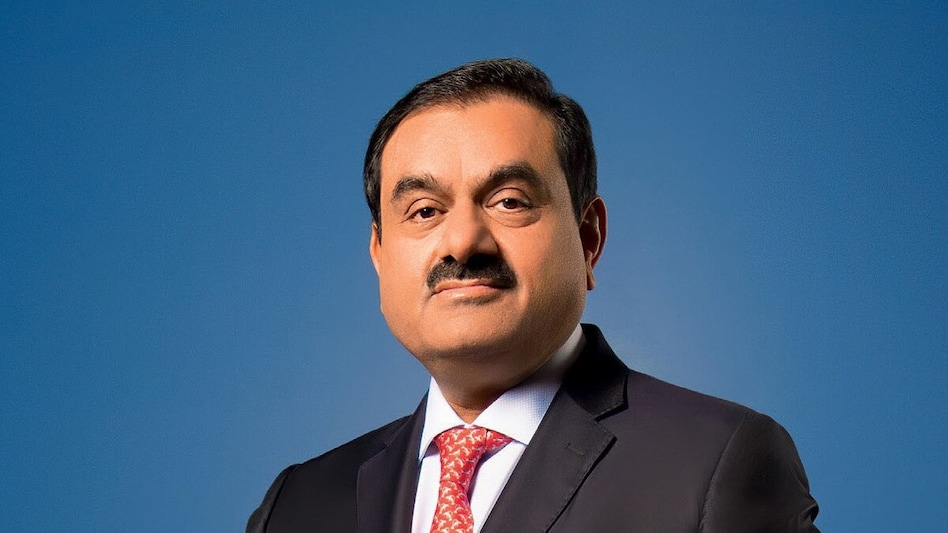
 With Penna acquisition, Gautam Adani’s cement business gets a fresh layer
For the Adani Group, cement is a core business today. In less than three years, the conglomerate has moved from almost nothing to a total capacity of 75 million tonnes per annum (mtpa), making it the second-largest player after UltraTech Cement at 140 mtpa.
The interesting part is that most of the growth has been inorganic, starting with the big-ticket $10.5 billion transaction to acquire Ambuja Cements and ACC. The most recent one being a complete buyout of Hyderabad-based Penna Cements for Rs 10,420 crore, which comes with a capacity of 10 mtpa and another 4 mtpa that is under construction.

 RBI's forex swap scheme pulls in record $143.6 billion till Sep 18
  Bank strike next week: Five-day disruption may hit your salary credits
 NSE IPO subscribed 5.7 times as QIBs lead demand; shares to list on BSE on September 24
 Indian Oil, HPCL, BPCL shares rise as brent crude prices fall for fourth day
  Tata Sons power struggle: Who will pay for the next legal battle?
 Burqa Ban In Italy? Meloni Pushes New Rules On Face Coverings
 Tata Trusts-Tata Sons Row: Harish Salve Explains RBI Rules, Singhvi Flags Shareholder Rights
 Top Legal Eagles Flock To Tata Sons & Tata Trusts As Boardroom Clash Heads To Court
 Over Next Three Years Company Expects To Invest ₹15,000 Cr For Deepwater Exploration
 Tata Sons Listing Row: Shapoor Mistry Backs IPO As Noel Tata Pushes ₹25,000-Crore Plan
 NSE IPO subscribed 5.7 times as QIBs lead demand; shares to list on BSE on September 24
 Brokerage sees 96% upside potential in this smallcap stock
 Dr. Reddy’s, Lupin shares among buzzing stocks as pharma sector back in focus
  3 Warren Buffett quotes for Indian stock market investors today
 Sensex jumps 564 points, Nifty tops 23,400; will this upmove sustain?
 'Faculty must be able to uphold exam integrity without fear': IIT Madras association on IIT Bombay case
 'Wrong to automatically fix guilt on upper castes; it's reverse casteism': Sudheendra Kulkarni on IIT Bombay case
 'Demand still being examined, refrain from strike': Finance Ministry urges bank employeesNSE IPO subscribed 5.7 times as QIBs lead demand; shares to list on BSE on September 24RBI's forex swap scheme pulls in record $143.6 billion till Sep 18


