

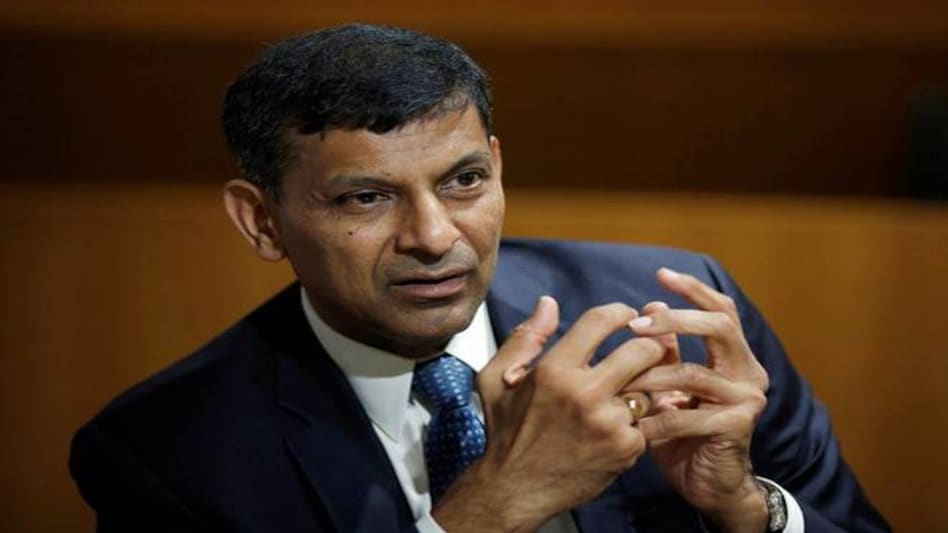
 PC: Reuters
For the second time in three days former RBI Governor Raghuram Rajan has said India is not producing enough jobs, which is big strike against the Modi government, especially after making it a key electoral promise back in 2014. "Lack of jobs is a very serious issue. This reflects the problems that even at 7% growth, it is not producing the jobs," Rajan told NDTV in an interview, adding that 25 million people applying for 90,000 railway jobs is "a reflection of the fact that we have a real job problem".
In a similar vein, at a University of Chicago event on Friday, he had emphasised that the growth rate of Indian economy has to be pushed up, while ensuring proper distribution of the benefits of economic growth. "That means focussing on what is really distorted in our current approach and try and remove those distortions in order to enhance the job-creating prospects of that sector. Not by the old strategy of reserving job intensive sectors and giving them additional sops, but how do we actually enhance sectors and make them create more jobs," he had explained.
 NSE fixes IPO offer price at Rs 1,785 per share
 BT Big Story: How the FCNR(B) deluge has created two new problems for the RBI
  ‘I think the world of Chandra,’ says JPMorganChase Chairman Jamie Dimon amid reappointment row
 Tata Sons to be split into smaller entities instead of listing? Here’s what we know
 iPhone 18 Pro users have a new problem: Face ID fails, phones reboot unexpectedly
 U.P Eyes Semiconductor Fabs | HCL-Foxconn Plant To Roll Out Products In 1.5 Years | Alok Kumar
 R Veeramani POCSO Case Widens: Multiple Survivors Traced | India Today Investigation
 Tata Tussle Escalates: N Chandrasekaran Row | What Lies Ahead For Tata Group And Stocks?
 Burqa Ban In Italy? Meloni Pushes New Rules On Face Coverings
 Tata Trusts-Tata Sons Row: Harish Salve Explains RBI Rules, Singhvi Flags Shareholder Rights
 ED names EaseMyTrip's Nishant Pitti in Mahadev betting app chargesheet; check stock reaction
 Dixon Tech shares: Why Nuvama raised target price, cut FY27 earnings estimateNSE fixes IPO offer price at Rs 1,785 per share
 Raymond shares soar over 80% in a month; here's what analysts say
 Adani Enterprises stock set for 28% upside, says Jefferies; cites these factors ED names EaseMyTrip's Nishant Pitti in Mahadev betting app chargesheet; check stock reaction
 iPhone 20 Pro display to get major upgrades: Apple may add bigger screens, quad-curved design and more Dixon Tech shares: Why Nuvama raised target price, cut FY27 earnings estimate
 CM Yogi Announces 1 Lakh+ UP Government Jobs In 6 Months, Cites 9.5 Lakh AppointmentsNSE fixes IPO offer price at Rs 1,785 per share












