

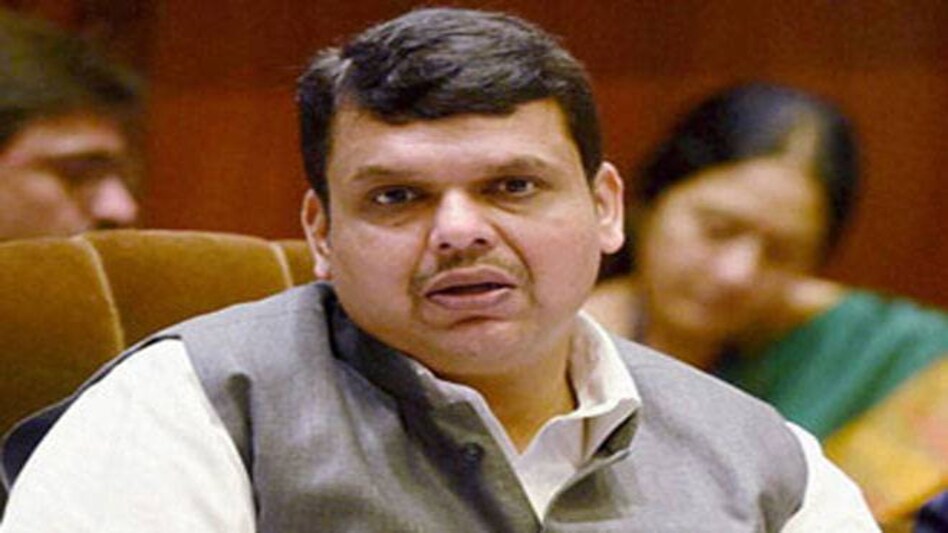
 Chief Minister Devendra Fadnavis
The Maharashtra government is likely to knock at the door of World Bank again for the credit capital to fund its ambitious projects, especially after farm loan waiver dented the state's exchequer. The Chief Minister Devendra Fadnavis-led delegation plans to visit Washington to meet the World Bank president for seeking financial aid for agriculture and solar energy projects, reported Mumbai Mirror. According to sources, the state government is also facing financial constraints in funding projects like urban transport and smart cities.
In March 2017, the World Bank proposed a financial assistance of $1 billion to Maharashtra in critical projects related to urban transport, smart cities, renewable energy and separate agriculture feeder in two to three years, in addition to the climate-resilient agriculture practices. The World Bank Board of Executive Directors, in February, approved a $420 million project to increase climate resilience in agriculture for small and marginal farmers and the final agreement was signed in April. The project is expected to benefit over 25 million people spread over 5,142 villages across 15 most climate vulnerable districts of Marathwada and Vidarbha regions.
 Tata Capital roadmap: 100% micro-housing growth, 500 gold loan branches and more
  ITR filing 2026: Confused by the 'reason for filing ITR' question? Here's what taxpayers need to know
 'Hindu daughters not entitled if...': Madras HC's key ruling on ancestral property rights
 Your UPI payments could soon be more private; NPCI plans to mask phone numbers on UPI apps
 'Show proof, or you will have to apologise': Rijiju challenges Rahul Gandhi over Amit Shah remark
 Manipal Health IPO Review: Should Investors Apply For Long-Term Growth Or Avoid It?
 Trump And Netanyahu Meet In Washington As Iran Differences Surface At White House
 Pentagon Alters Iran War Casualty Toll As U.S. Troop Losses Spark Massive Storm In Washington
 HUL Share Price Outlook: Brokerages Turn Bullish After Earnings | FMCG Stock Analysis
 I.T. Stocks Rally 16% In July: Is The Biggest Comeback Still Left Or Will Profit Booking Begin?
 Indian Bank share price: Fresh highs or sharp correction? What are key levels for it
 Q1 earnings 'ahead of outlook': KPIT Technologies shares gain most in 1.5 years, rise 10%
  ITC Hotels investors stuck? Here's what a market expert recommends - Key levels
 Asian Paints Q1 results: Profit jumps 40% to Rs 1,539 crore; revenue rises 18%; shares rise
 Avoid averaging Adani Green, wait for lower levels in Adani Power: Anshul Jain'Show proof, or you will have to apologise': Rijiju challenges Rahul Gandhi over Amit Shah remarkITR filing 2026: Confused by the 'reason for filing ITR' question? Here's what taxpayers need to know
 'Spider-Man: Brand New Day' advance booking: Tom Holland's actioner sells 4 lakh tickets; may beat 'Avengers: Infinity War', 'Spider-Man: No Way Home'
 Google launches Gemini Spark in India with Agentic capabilities across apps: All detailsIndian Bank share price: Fresh highs or sharp correction? What are key levels for it










