

 Photo: Reuters
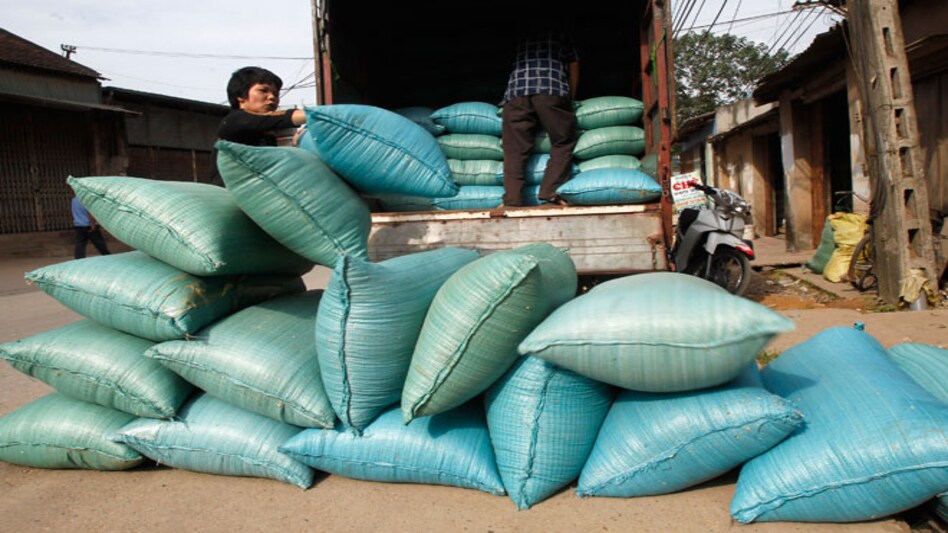
The govt is preparing to import rice for the first time in nearly a quarter of a century to supply the grain to remote and hilly north - eastern region where rail freight is being disrupted due to a track overhaul.
The country, which is the world's top rice exporter, will import more than 1,00,000 tonnes of rice from neighbouring Myanmar over the next several months, likely spread out across 10,000-30,000 tonne tenders, government officials said.
 BTTV Exclusive: Ashishkumar Chauhan explains why NSE went public now
 Tata Sons rejects Noel Tata objections over N. Chandrasekaran reappointment
 GST Council to take up proposal of MDR on UPI
 SEBI's settlement rules set for a big revamp; experts call for balance between speed and accountability
  SEBI rewrites PMS rulebook, allows IPO, foreign securities and unlisted debt investments
 Meta’s New Gadgets: Camera-Free Glasses, VR Eyewear And AI Handheld Device Unveiled
  MDR Levy: Will Retail Trading Volumes Take A Hit? | NSE Chairman Srinivas Injeti
 NSE Lists At ₹1,800: Exclusive Post-Listing Interview With India's Largest Exchange
 From Mobile Trading To AI: How NSE Plans To Protect Market Integrity
 NSE On India’s Capital Markets Growth | IPOs, REITs, InvITs And More
 SEBI's settlement rules set for a big revamp; experts call for balance between speed and accountability BTTV Exclusive: Ashishkumar Chauhan explains why NSE went public nowSEBI rewrites PMS rulebook, allows IPO, foreign securities and unlisted debt investments
 HSBC plans India equity broking return amid IPO boom, says report
 Whirlpool of India clarifies on promoter stake sale report; stock slips
 Financial Horoscope Today, September 25, 2026: Increase in Wealth for Gemini, Know the Condition of All Signs
 Top 10 countries for science education: China leads global ranking, Singapore follows
 ‘And that’s it?’: Prince Harry’s AI speech hits a glitch as teleprompter fails mid-address in New York
 Ganpati Visarjan 2026: Check shubh muhurat on Anant Chaturdashi, puja vidhi, key rituals
 'Former neighbour': Anand Mahindra recalls NSE's journey from Mahindra Towers to IPO












