

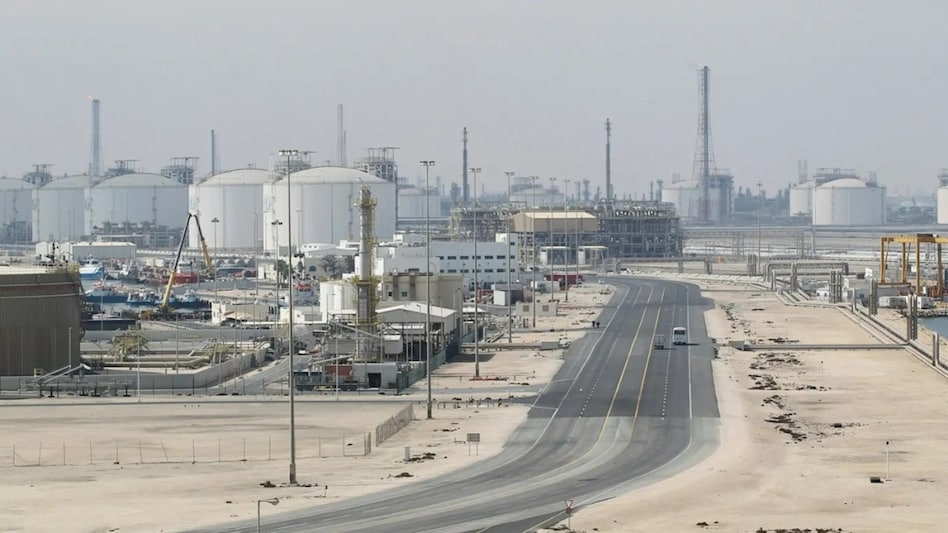
 Ras Laffan Industrial City, Qatar’s main energy hub
The Iran war is moving very fast from being a show of pure military strength to economic warfare. The die was cast when Israel bombed the South Pars gas field—the world’s largest gas reserve that is shared between Iran and Qatar. It covers 9,700 square kilometres and is reported to account for 8% of the world’s proven gas reserves according to the International Energy Agency.
Also read: The Ras Laffan Effect: Energy shock for import-dependent India
 'We don't fear competition': Reliance hits back at Musk's Starlink India claims
 Jio IPO: How Ambani’s telecom giant stacks up against Mittal’s Bharti Airtel
 Sky-high airfares: Govt to publish new rules within 2 weeks, Centre tells Supreme Court
 BT BIG STORY: 'Ratan Tata never wanted to list Tata Sons'
 Jio Platforms IPO: GMP hits new high; what could drive next phase of growth for telecom major
 Marco Rubio’s India Visit: Why Jamnagar, Ambani & Russian Oil Matter | Musk Factor Explained
 U.S. Hindu Temple Attack Plot: Teen Arrested With Rifle, FBI Joins Probe | MEA Expresses Concern
 Vijay’s TVK Wave, Dhanush’s Fan Club & Annamalai’s Move: Tamil Nadu Politics Shifts
 Nifty Reclaims 23,000 as I.T. Stocks Rally; Tech Mahindra Jumps 7%, I.T. Index Gains Nearly 3%
 SEBI Revises CAS Rules, Returns To 30-Minute VWAP: Will Trading Volumes Recover In Indian Markets?
 YES Bank's AT1 bonds writeoff: What SC's decision means for foreign investors
  HDB Financial shares plunge 16% in three days; what should investors do?
 Swiggy shares rebound from record low; brokerage upgrades stock to 'Buy'
 Jio IPO: Why Bharti Airtel share price is rising ahead of Rs 30,213 crore offer
  Persistent Systems shares: Why this stock fell 6% after Q2 results; target prices Marco Rubio’s India Visit: Why Jamnagar, Ambani & Russian Oil Matter | Musk Factor ExplainedU.S. Hindu Temple Attack Plot: Teen Arrested With Rifle, FBI Joins Probe | MEA Expresses ConcernVijay’s TVK Wave, Dhanush’s Fan Club & Annamalai’s Move: Tamil Nadu Politics ShiftsNifty Reclaims 23,000 as I.T. Stocks Rally; Tech Mahindra Jumps 7%, I.T. Index Gains Nearly 3%SEBI Revises CAS Rules, Returns To 30-Minute VWAP: Will Trading Volumes Recover In Indian Markets?












