


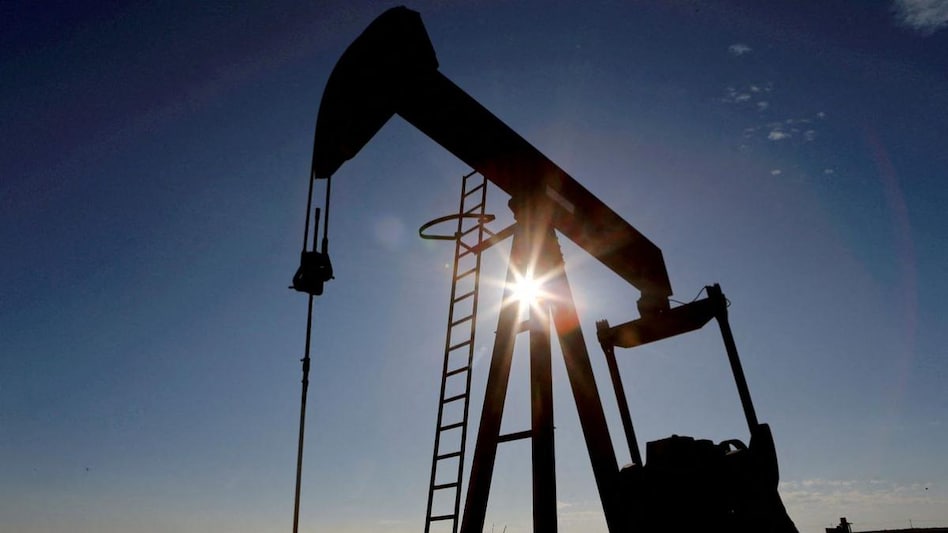
 As per estimates, a $10 increase in crude oil prices, can impact GDP growth between 0.3-0.35 per cent.
 Oil frothed up to cross $100 a barrel on Thursday after Russian forces began military operations in Ukraine, ending months of international diplomacy to diffuse the latest round in a crisis that started in 2014. As Brent Crude traded at 105 a barrel at 1630 IST, up from the previous close at 8.45 per cent, analysts warned that a protracted conflict in Ukraine could have major implications for India, the world’s third-largest oil importer.
This will not only add to inflationary pressures but may also lead to reduced demand for fuels like petrol and diesel, with consumers moving to alternatives like CNG.

 LTCG, STT debate: FM Sitharaman to 'tread cautiously' on taxation ahead of Budget
 UPI MDR on select person-to-merchant transactions to be implemented after Diwali
 'Chips are the future': Tata Sons' N. Chandrasekaran flags demand, management risks in India’s semiconductor push
 'Retaining capital is not a unilateral thing I can do': FM Sitharaman on India’s capital outflows
 BT BIG STORY: India Inc is more confident about Q3, but unwilling to hire or invest
 UPI MDR Deferred Till Diwali: What It Means For Paytm, MobiKwik & Fintech Stocks | Market Analysis
 Zetwerk Manufacturing IPO: Issue Size, Price Band And The Company’s Growth Story
 Daily Calls: Ask Your STOCK MARKET TODAY QUERIES | Market Update | Share Market News Today
 All You Need To Know About Insurance Portability: Process And Key Benefits | Personal Finance
 What’s Hot: Stocks, Gold & Big Money Moves | Daily Markets Show | October 13 | Business Today
 Tata Steel, Vedanta or Lloyds Metals? Analyst shares top stock pick
  BEL discloses additional orders worth Rs 533 crore, check details
  Investors gain Rs 5 lakh crore as Sensex, Nifty gain over 1% each; key factors behind the rally
  Tonbo Imaging IPO: Akash Bhansali, SBI Funds among investors buying shares worth Rs 413 crore
 Bandhan Bank shares jump 9% as IHC explores buying promoter stake; bank says unaware of talksTata Steel, Vedanta or Lloyds Metals? Analyst shares top stock pick UPI MDR Deferred Till Diwali: What It Means For Paytm, MobiKwik & Fintech Stocks | Market AnalysisBEL discloses additional orders worth Rs 533 crore, check details Zetwerk Manufacturing IPO: Issue Size, Price Band And The Company’s Growth Story Daily Calls: Ask Your STOCK MARKET TODAY QUERIES | Market Update | Share Market News Today












