









 India–New Zealand FTA: What the landmark trade pact means for exports, jobs and mobility

 India–New Zealand FTA: What the landmark trade pact means for exports, jobs and mobility
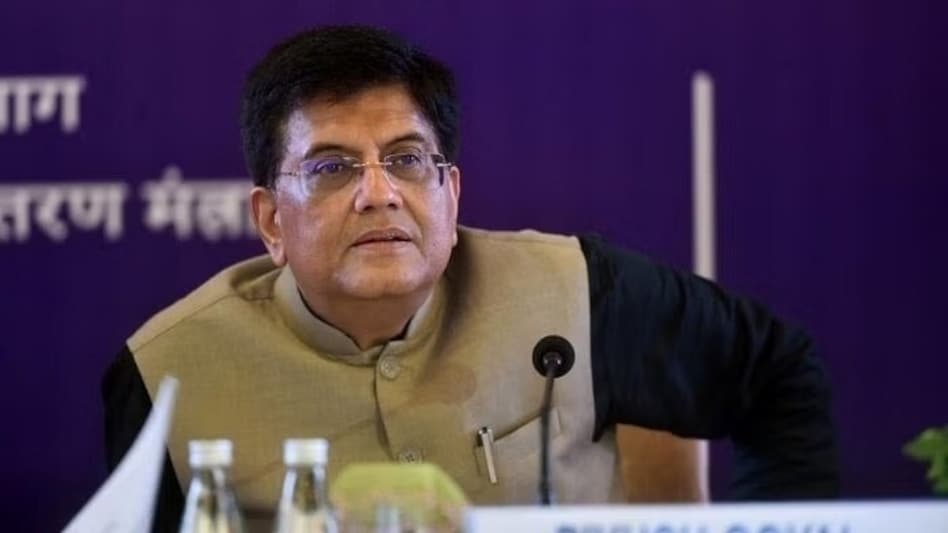
India and New Zealand have successfully concluded a landmark free trade agreement after just nine months of negotiations, marking a major step forward in bilateral economic ties. The deal was announced following a conversation between Prime Minister Narendra Modi and New Zealand Prime Minister Christopher Luxon, with Commerce and Industry Minister Piyush Goyal calling it a significant milestone aligned with India’s long-term growth ambitions.
What the India–New Zealand FTA delivers
The agreement spans goods, services, investment, agriculture and workforce mobility, while carefully protecting sensitive domestic sectors. Here are the five core pillars of the India–New Zealand FTA, as outlined by the commerce minister:
1. Zero-duty access for Indian exports
Once the agreement enters into force, India will receive zero customs duty on 100% of its exports to New Zealand, with tariff elimination across all tariff lines. Labour-intensive sectors, such as textiles, apparel, leather, and footwear, are expected to benefit, alongside engineering, manufacturing, automobiles, electronics, machinery, pharmaceuticals, and chemicals. The pact is positioned to support farmers, MSMEs, artisans, women-led enterprises and youth employment.
2. $20 billion investment commitment from New Zealand
The FTA includes a major investment push, with New Zealand committing to facilitating $20 billion in foreign direct investment into India over 15 years. The investment focus spans manufacturing, infrastructure, services, innovation and job creation, reinforcing India’s broader industrial and economic expansion goals.
3. New opportunities for Indian agriculture
The agreement opens pathways for Indian agricultural products, including fruits, vegetables, cereals, spices, coffee and processed foods, to access New Zealand’s markets. Through agri-productivity partnerships, Centres of Excellence and access to advanced New Zealand farming technologies, the deal aims to boost productivity, quality and farm incomes. Targeted initiatives also cover horticultural products such as honey, kiwifruit and apples.
4. Strong safeguards for sensitive sectors
Recognising domestic sensitivities, India has fully safeguarded agriculture and allied sectors, including dairy, sugar, edible oils, coffee, spices, precious metals, copper cathodes and rubber-based products. These protections ensure that farmers, MSMEs and domestic industries remain shielded from import surges and market disruptions.
5. Services, visas and mobility at the core
Services form a central pillar of the pact, with India securing access in 118 service categories, including IT & ITeS, finance, education, tourism and construction. New Zealand has also introduced its first-ever annexes on health, traditional medicine, student mobility and post-study work. The agreement provides 5,000 temporary work visas for skilled Indian professionals and expands working holiday visas and post-study employment pathways, opening new global opportunities for Indian talent.
 Break silos, focus on results: PM Modi's message at key meeting with secretaries
 Indian economy resilient despite global shocks; NPAs to remain low: RBI report
 Why a weak monsoon may not hurt India's economy as much as before, Finance Ministry report explains
 Visa-on-arrival for select countries, simpler hotel rules: NITI Aayog proposes tourism overhaul
 First-time ITR filer? Why experts say you should enable the Income Tax Department's e-Filing Vault
 Rajnath Singh’s Big Vision: Why Gujarat Is Set To Become India’s Next Defence Manufacturing Hub!
 WhatsApp's Biggest Transformation Begins! No Phone Number, Ads & Premium Plans
 PM Modi Meets Top Secretaries | Watch To Know The Full Agenda
 100% Road Tax Waiver For Clean Vehicles! Centre's Big Push For EVs & Green Transport
 IPhone 18 Pro Secrets Leaked? Tata Electronics Cyberattack Raises Major Security Concerns
 Calcutta Stock Exchange shares rally in unlisted market; details here
 YES Bank gets rating upgrade for infrastructure, tier II bonds; key details
 Tata Communications shares: Two factors that may move the Tata Group stock in short term
  Sensex, Nifty extend slide: IT stocks drag markets lower; what to expect next
 Bharti Airtel deserves to trade at a valuation premium against global peers, says Nomura