


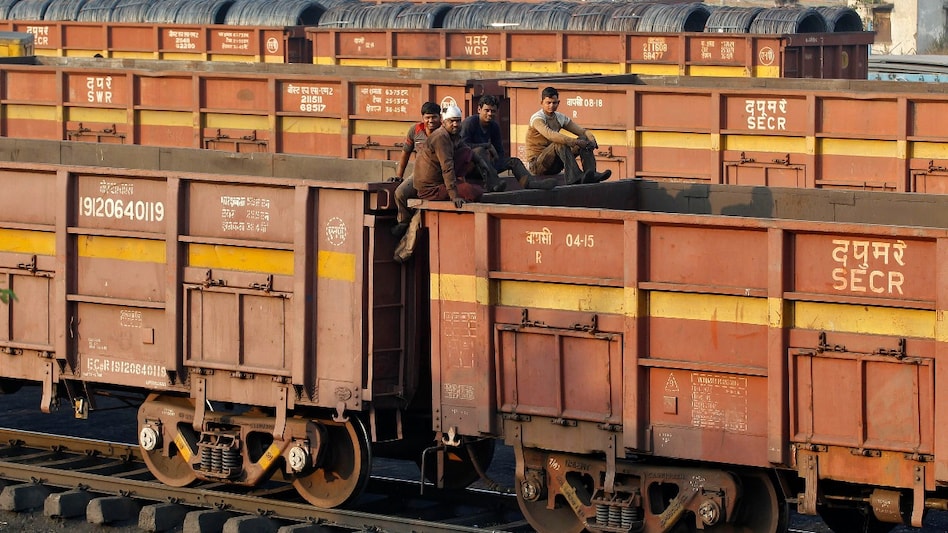
 Railways wants Gati Shakti Multi-Modal Cargo Terminal (GCT) policy to increase private sector participation
Railway Board has revised the Gati Shakti Multi-Modal Cargo Terminal (GCT) policy to increase private sector participation in setting up cargo terminals along rail freight corridors with flexible bidding norms and allowing unused railway assets under the new policy.
According to the policy, the revision was necessitated to make it more participative and attracting more investment. GCTs are along the railway sidings for faster movement of goods and cutting own cost.

 India’s AI bet goes global: 93% of businesses trust AI with data, 87% eye new markets
 Delhi H1N1 outbreak: 1,777 cases recorded. Symptoms, who are at risk & how to stay safe
 FII sentiment shows early signs of turnaround after months of selling: Report
 UPI should remain free: Expert on why MDR could push merchants and consumers back to cash
 Apple job cuts 2026: iPhone maker slashes 200 jobs in Siri, Vision Pro immersive video, gaming teams
 Meta’s $200 Billion Trial: Did Instagram & Facebook Keep Kids Hooked?
 Motor Insurance Explained: Is Third-Party Car Insurance Enough? Know Before You Buy
 Retirement Tax Planning: 5 Ways Senior Citizens Can Reduce Their Tax Liability
 #IndiaAt100 : Adipen Bose Nandhiji On Conscious Capitalism- Can Profit & Purpose Coexist?
 #IndiaAt100 : Hisashi Takeuchi On Driving India’s Manufacturing Revolution
 Crompton Greaves says no plan to sell stake, expects revenue to double by FY31
 Gaja Alternative Assets IPO: 3 ways to check application status; allotment odds, GMP, listing dateFII sentiment shows early signs of turnaround after months of selling: Report
 ₹24,800 crore bill: How transaction costs are eating into retail derivatives trading
 Cupid, NTPC Green, NTPC, Raymond Realty, HAL shares: Key technical levels to watchCrompton Greaves says no plan to sell stake, expects revenue to double by FY31Delhi H1N1 outbreak: 1,777 cases recorded. Symptoms, who are at risk & how to stay safeIndia’s AI bet goes global: 93% of businesses trust AI with data, 87% eye new markets
 US/UK citizenship and PPF: What happens to your Indian savings after naturalisation?
 The Rs 606 problem: What happens when India puts a price on UPI












