


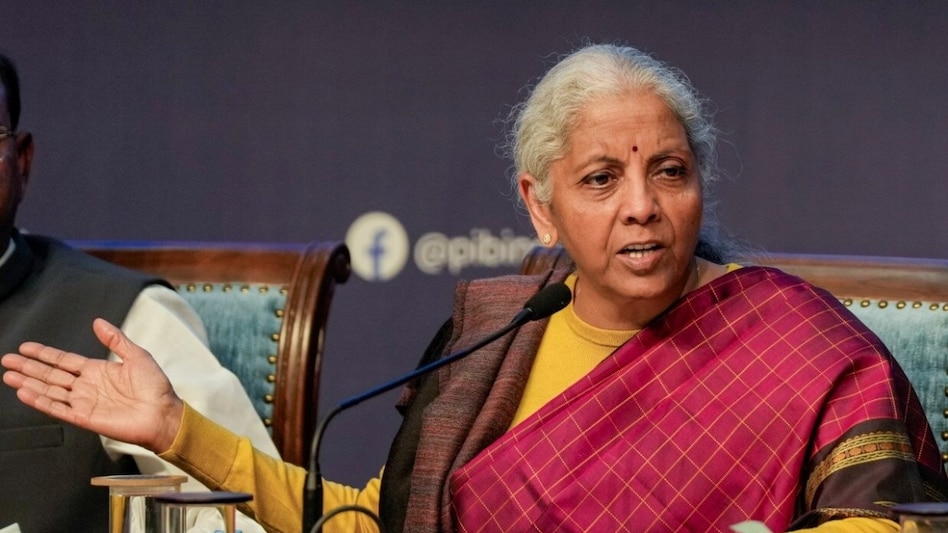
 Launched by Union Finance Minister Nirmala Sitharaman, the second phase of the asset monetisation programme builds on the first round and is positioned as a central pillar of infrastructure financing.
The government has drawn up an ambitious five-year roadmap under the National Monetisation Pipeline 2.0 (NMP 2.0), targeting ₹16.72 lakh crore through the monetisation of public assets across 12 key sectors between FY26 and FY30, according to the official release .
Launched by Union Finance Minister Nirmala Sitharaman, the second phase of the asset monetisation programme builds on the first round and is positioned as a central pillar of infrastructure financing. The ₹16.72 lakh crore aggregate pipeline includes an estimated ₹5.8 lakh crore in private sector investment.

 Jefferies' Christopher Wood sees gold at $10,000 'sooner or later'; likes India's small, midcaps
 NSE IPO fully subscribed on Day 2; QIB, NII quotas booked 1.3 times each
 Warren Buffett steps down as Chairman after 60 years: What changes at Berkshire Hathaway now
 Net direct tax rises 13% to over ₹12.12 lakh crore till Sept 17
 Satya Nadella highlights India’s AI talent, sees massive developer community emerging by 2030
 Semicon India 2026: From Plans To Production
 Nestle India Faces FSSAI Action Over Claims On Infant Nutrition Products NAN Excella And Lactogen
 Tata Sons Listing Debate: SP Group Backs Listing, Mistry Calls For Cooperation
 BTTV Exclusive | Jefferies’ Chris Wood On AI, US Bonds, Oil & India’s Market Outlook
 LIVE What’s Hot: Stocks, Gold & Big Money Moves | Daily Markets Show | September 17 | Business Today
 Sensex, Nifty post sixth weekly loss; TCS, Titan among top laggards, slip up to 4%
 How AI collapse could benefit Indian equity market; Jefferies' Christopher Wood explains
  Banks are no more secular growth story, prefer NBFCs: Chris WoodJefferies' Christopher Wood sees gold at $10,000 'sooner or later'; likes India's small, midcaps
 NSE IPO: Applying for short-term gains from share sale? Analyst says thisSemicon India 2026: From Plans To Production
 AI-driven drug discovery race: Anthropic quietly opens biology laboratory in major pushSensex, Nifty post sixth weekly loss; TCS, Titan among top laggards, slip up to 4%How AI collapse could benefit Indian equity market; Jefferies' Christopher Wood explains
  WhatsApp rolls out new search shortcut on iOS for chats and channels












