


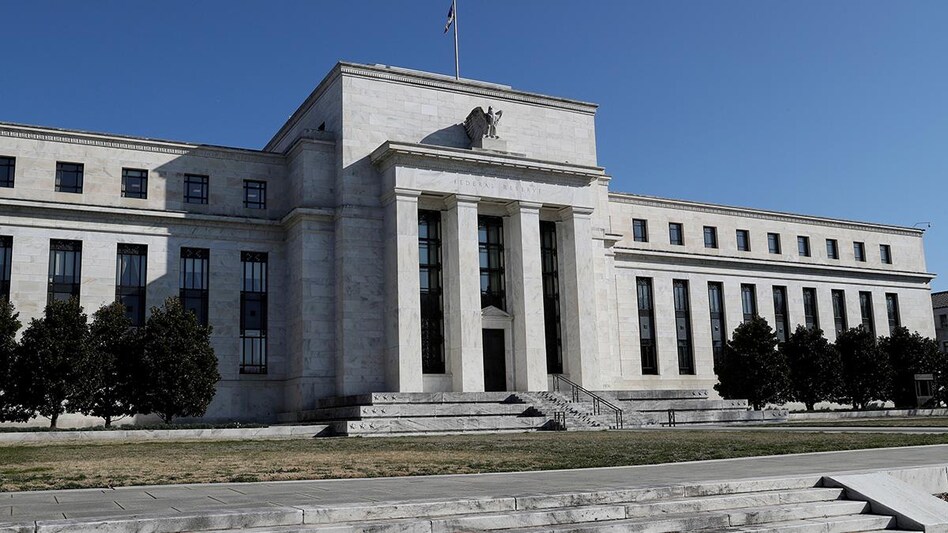
 US Fed hikes rates by 75 basis points
The 75-basis point hike in the Fed rate-- the biggest one-time increase in nearly three decades -- to between 1.5-1.75 per cent shows the aggressive stance of the US Central Bank to tame inflation, which is currently running at 8.6 per cent. Clearly, more hikes are expected from the US Fed to bring down retail inflation to its targeted level of 2 per cent.
In its June monetary policy, the Reserve Bank of India had hiked the short-term rates by 50 basis points to 4.90 per cent as against the inflation rate of 7.04 per cent. The RBI has a target of containing inflation at 4 per cent with an upper band of 6 per cent. While the Indian economy is relatively on a better footing than the US, the rising interest rate trajectory will have implications for the Indian economy.

 BT BIG STORY: Why crypto is still thriving among Indian investors
 Tata Trusts propose merger of two Tata units with Tata Sons to avoid listing
 Essar Group's Mesabi Metallics plans $15 billion US steel mill, Trump to unveil the project
 FIIs pulled out $40 billion from India in 2 years: Why foreign investors are staying away
 India stocks look expensive versus Asia as earnings growth lags: DBS
 Silver Prices Are Down 13% This Year: Is The Crash Over Or Just Beginning? Expert Anuj Gupta
 Multi-Cap Vs Flexi-Cap: Which Fund Fits Your Portfolio & Risk Appetite?
 Crude Oil Next Big Commodity Bet? | Strait Of Hormuz Crisis | Commodity Outlook
 Nifty Falls: 22,500-22,300 Next? Expert Warns Against Bottom Fishing Amid Sharp Sell-Off
 Meta Muse AI & Smart Glasses, iPhone 18 Pro Max In-Depth Review & Easy iOS Data Transfer | Tech Today
 FIIs pulled out $40 billion from India in 2 years: Why foreign investors are staying awayIndia stocks look expensive versus Asia as earnings growth lags: DBS
 India’s mid- and small-cap stocks among world’s most expensive, says Ruchir Sharma
 BSE stock may test Rs 3,000 mark, says analyst; stays positive for long term
  Why HDFC Bank, TVS Motor shares are top picks amid ongoing correction
  Quote of the Day by Elon Musk: 'I think there should be regulations on social media to the degree that it negatively affects the public good'
 Big relief for Indian pharma: US puts India among 20 countries getting 0% tariff on select speciality drugsSilver Prices Are Down 13% This Year: Is The Crash Over Or Just Beginning? Expert Anuj Gupta
 Google Pixel 11 at ₹69,999, Pixel 10a at ₹39,999: Flipkart Big Billion Day 2026 deals revealedFIIs pulled out $40 billion from India in 2 years: Why foreign investors are staying away












