
Skip the caffeine jitters. Neuroscientists are increasingly fascinated by what happens when cold hits skin: the brain snaps to attention. Short cold exposure jolts alertness networks awake, producing a mental sharpness that feels immediate, physical, and oddly euphoric—like flipping on a breaker in your head.
In controlled lab settings, brief cold sessions improved sustained attention more than many stimulants. A study in PLOS One linked whole-body cryostimulation to faster reaction times and sharper vigilance, hinting that cold may tune the brain’s focus circuits, not just wake you up.
Cold doesn’t just sharpen thinking—it lifts emotional fog. Researchers observed noticeable mood elevation after cold exposure, a reminder that clarity and confidence often travel together. A brighter mood can quietly amplify decision-making, creativity, and mental endurance throughout the day.

Cold showers trigger spikes in noradrenaline, the neurotransmitter tied to alertness and drive. Another PLOS One paper found these chemical surges coincide with higher energy and focus, creating a clean, jitter-free mental buzz that coffee struggles to match.

Repeated cold exposure trains the nervous system to respond faster under pressure. Findings in the Journal of Applied Physiology suggest the brain becomes more resilient, primed to think clearly when stress hits instead of freezing or spiraling.

Cold works like mental weight training. These brief, uncomfortable bursts act as hormetic stressors—small challenges that force adaptation. Over time, the brain learns efficiency: quicker engagement, calmer reactions, and better cognitive control during demanding moments.
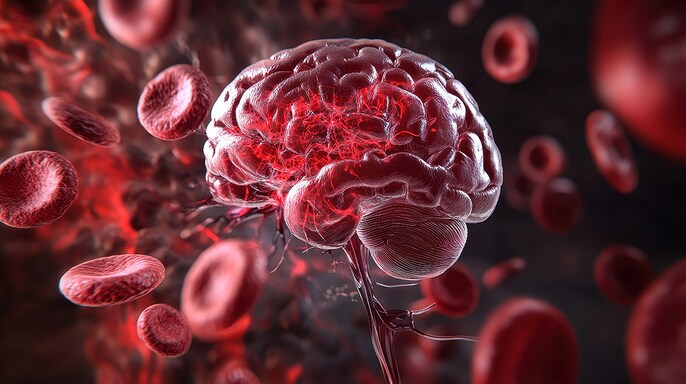
Sudden cold constricts vessels in the skin, redirecting blood toward vital organs, including the brain. That rush may help activate regions linked to alertness and executive function, explaining why even 30 seconds of cold water can feel like a mental reboot.

Cold face immersion taps the mammalian dive reflex, slowing the heart while sharpening awareness. This paradoxical calm-alert state has been linked to improved vagal tone, offering a rare combo: steady nerves with a clear, attentive mind.

The habit’s power lies in its simplicity. No supplements, no subscriptions—just seconds of cold. Over weeks, those moments stack, subtly improving focus, mood, and stress tolerance, especially when layered onto sleep, movement, and good nutrition.
 Walsh Is Here To Wash Away IndiGo's December Fiasco?
 How To Build The Right Investment Portfolio In Today's Market | Aditya Pagaria
 MV Electrosystems' IPO Comes With A Strong Order Book And Growth Plans
 "India Grew 7.7%": CEA V Anantha Nageswaran Hails India’s Economic Resilience
 Rainbow Children's Q1 Revenue Grows 33%; Eyes Mumbai Entry, Expands Andhra Footprint