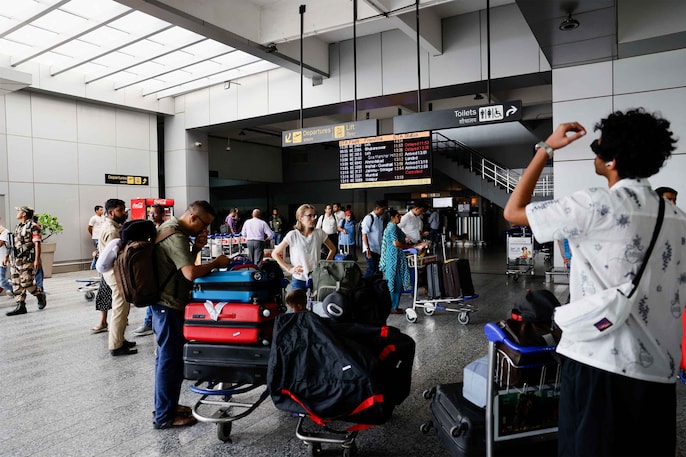
DIAL is finalising its next master plan for 2026-2036, expected to be announced in one to two months — aiming to boost IGI Airport's annual passenger capacity from 105 million to 140 million while reinforcing Delhi's dominance amid growing competition from the upcoming Noida International Airport at Jewar.
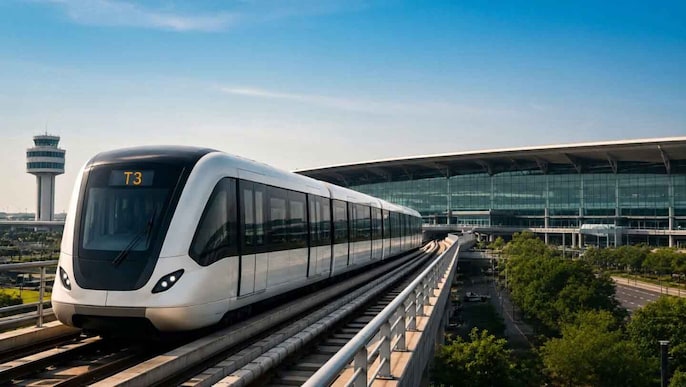
Air India and IndiGo — both pushing for dedicated terminals — are also seeking approval for an elevated Air Train to seamlessly connect Terminal 1, Terminal 2 and Terminal 3 across a nine-kilometre stretch. The Air Train was previously put on hold to prioritise immediate expansion at T1 and T3.
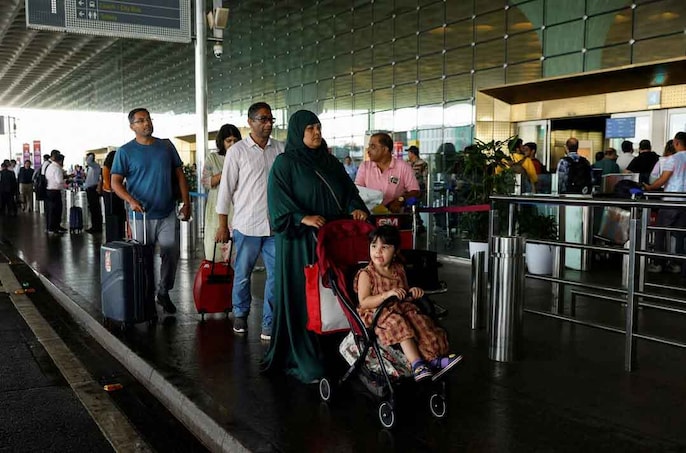
The conversion of Terminal 3's Pier C for international operations has already increased international passenger capacity from 20 million to 30 million annually. A new Pier E at T3 will push total airport capacity from 105 million to 125 million by 2029-30.
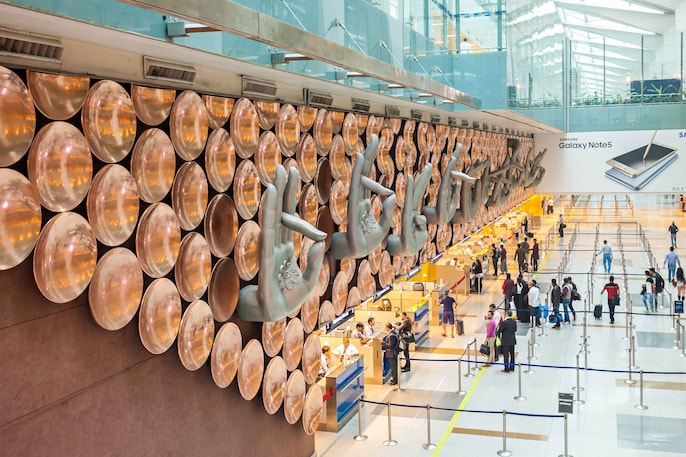
Terminal 2 will remain operational until at least 2030 to monitor the Noida Airport's impact. After 2030, T2 will be demolished to make way for a new Terminal 4 — pushing IGI Airport's total capacity to 140 million passengers and completing the full master plan vision.
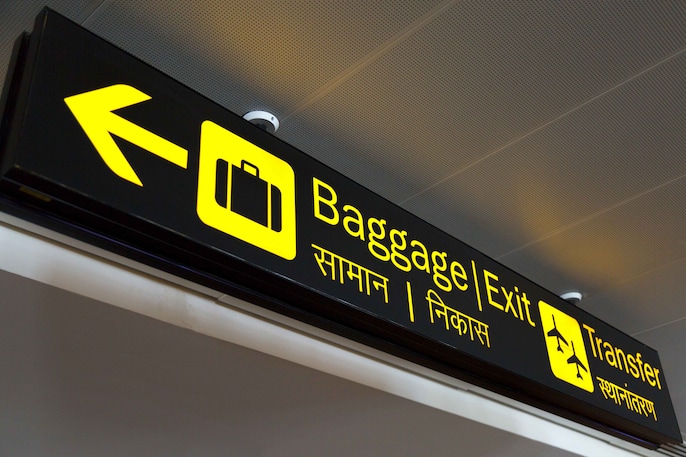
With BCAS approval, trials for airside baggage drop for international-to-domestic connecting passengers have officially begun — eliminating the need for travellers to carry their own luggage between terminals. Approval for full airside passenger transfers — allowing seamless movement without repeated security checks — is currently underway.
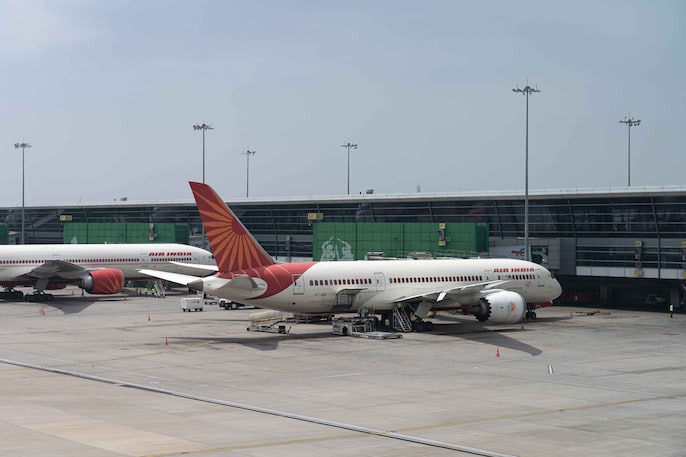
The new master plan emphasises boosting non-aviation revenues through expanding Aerocity, constructing luxury hotels, business parks and commercial hubs around the airport complex — a key strategy to diversify revenue beyond landing fees and passenger charges.
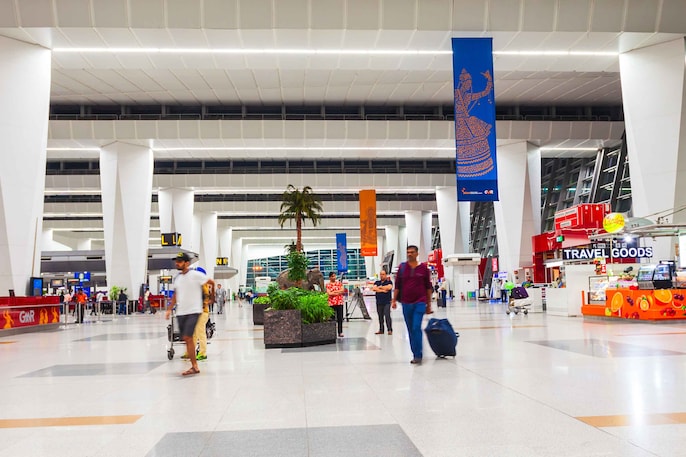
IGI Airport's first master plan was prepared after privatisation in May 2006 and revised in 2016. The previous plan delivered T3, India's first four-runway system, the Eastern Cross Taxiway and Aerocity. The 2026-2036 plan builds on that foundation with an ambition that is significantly larger in scale.
 Nepal Floods Ground Report: Towns Flattened, Thousands Missing As Rivers Unleash Devastation
 India GDP Growth Seen At 7.2%: Ajay Bagga's Take On Slowdown, Oil Shock & Monsoon Risks
 RSS Chief Mohan Bhagwat's Big Hindu-Muslim Message In New York Sparks Political Debate
 MSCI Rebalancing Today: Laurus Labs, Lenskart, Adani Energy & Grow In Focus
 Nepal Flood Horror: +900 Dead, Many Missing As Bhote Koshi Surges Again | India Steps In