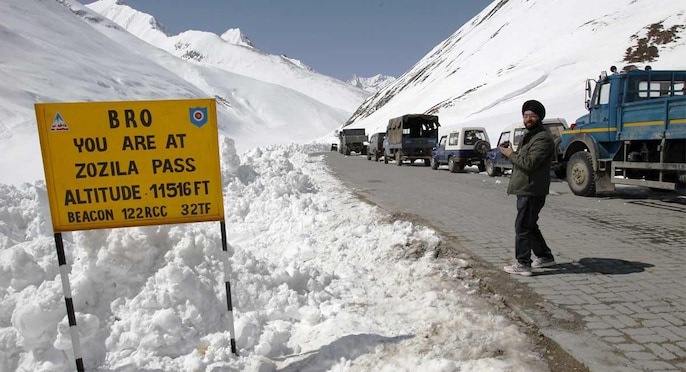
At the edge of habitability, Dras pushes human endurance to extremes. Winter temperatures plunge so low that even basic survival becomes a daily test, redefining what “inhabited” truly means.
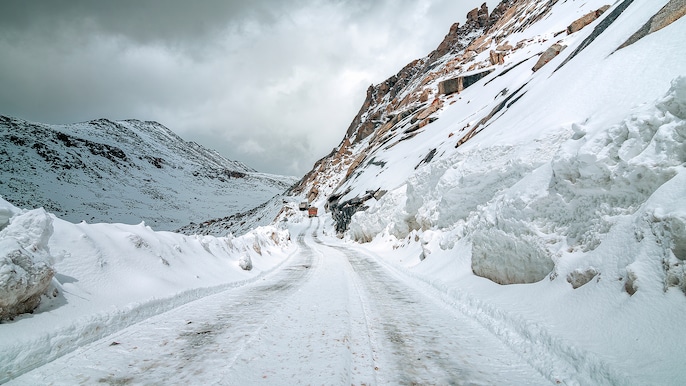
In 1995, Dras reportedly touched −60°C, a number that places it alongside Siberia in global cold records. Meteorologists say such lows are rare outside polar or sub-polar regions, making this Indian town an anomaly.
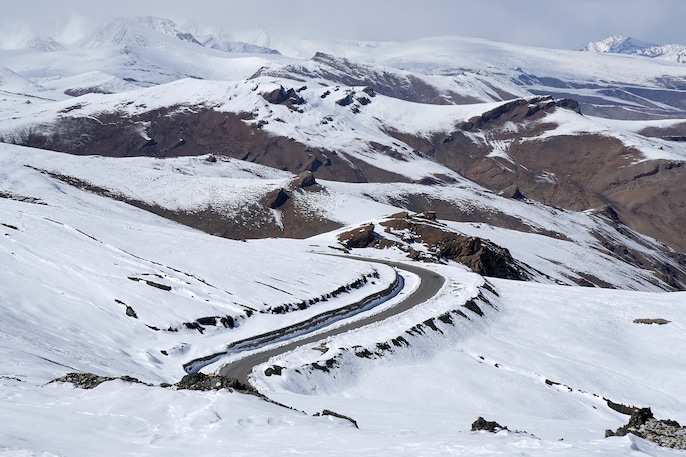
Sitting at around 3,300 metres, Dras battles thin air and brutal cold simultaneously. High altitude reduces heat retention, while icy winds accelerate heat loss—conditions physiologists say strain the human body year-round.
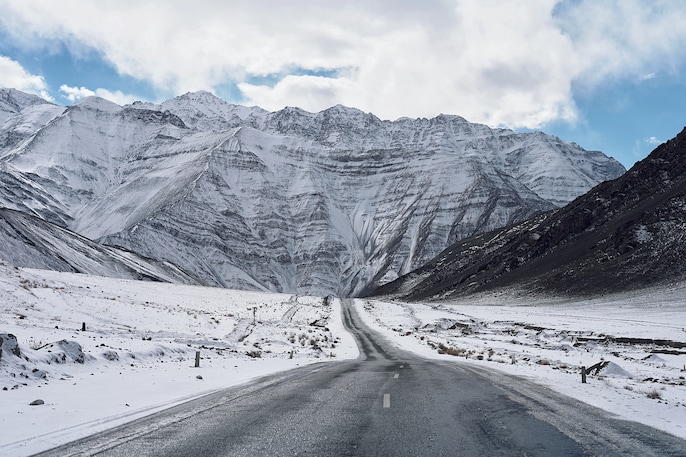
Surrounded by towering ranges, Dras is cut off from warm air currents. Climatologists explain that these natural barriers trap cold air in the valley, turning it into a freezing basin for months at a stretch.
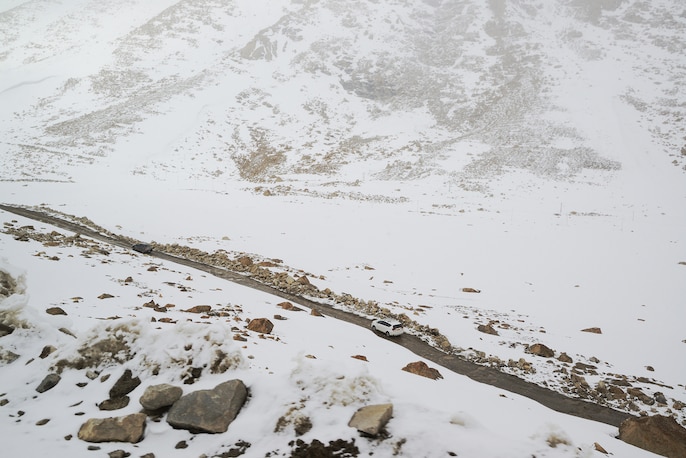
Heavy snowfall shuts roads for long periods, isolating the town from the rest of Ladakh. Locals stock essentials in advance, knowing outside help may not arrive until spring.
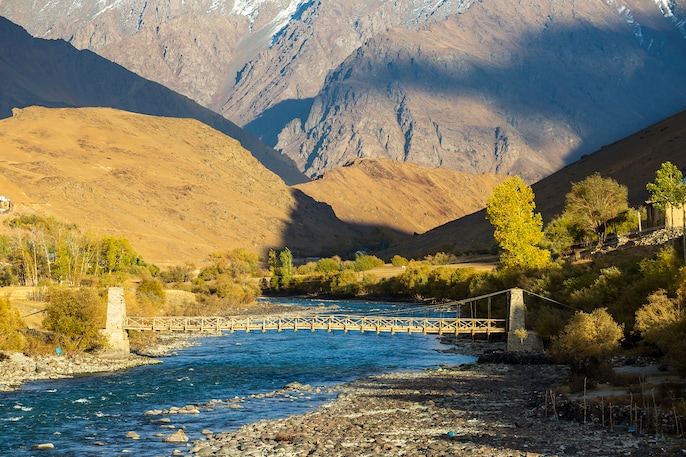
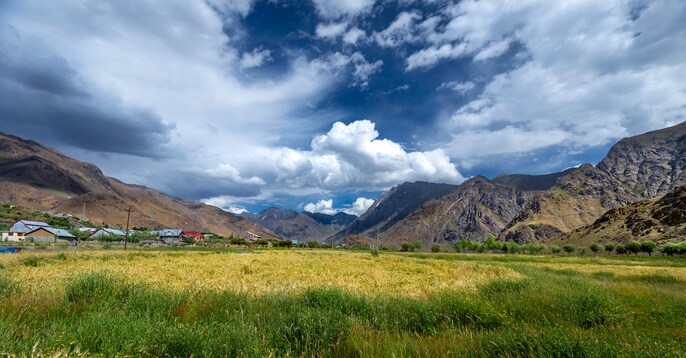
Summer arrives briefly—from June to August—bringing mild temperatures and movement. Travel experts note this narrow window transforms Dras from survival zone to scenic stopover on the Srinagar–Leh route.
Stone and mud houses aren’t aesthetic choices—they’re survival tools. Architects studying cold regions say these structures trap heat efficiently, helping families withstand nights colder than industrial freezers.
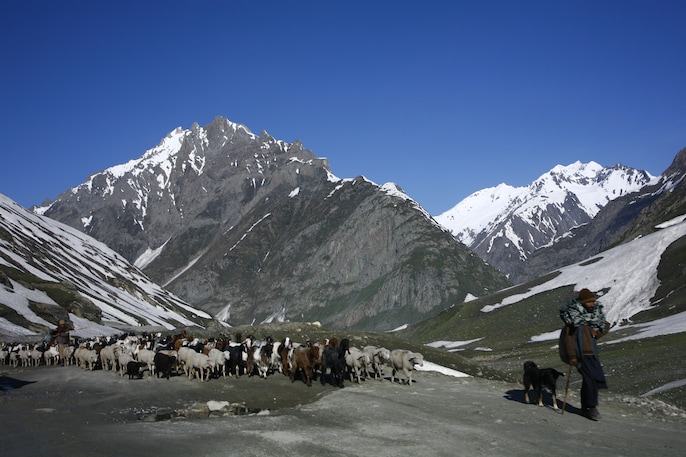
Food in Dras is fuel. Diets are heavy, warm, and calorie-rich, designed to fight constant heat loss. Nutrition experts say such diets are essential in extreme cold environments.
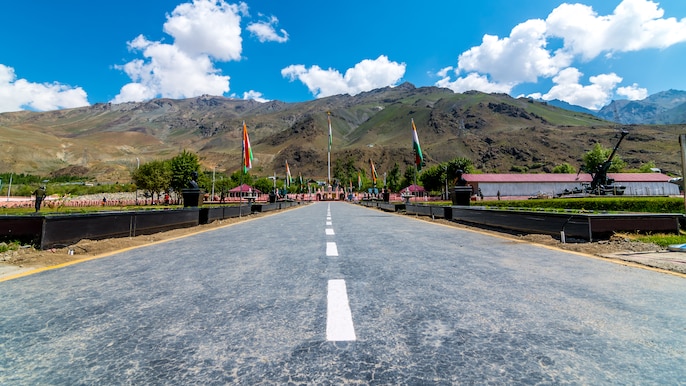
Beyond climate, Dras holds strategic importance near the Line of Control. Its terrain and weather shaped events during the 1999 Kargil conflict, proving cold can be as decisive as combat.
 Trump Moves To Make H-1B Visa Fee Permanent And Higher: What It Means For Indians
 Market Rally Vs Geopolitical Risk: What Wins From Here? Aditya Agarwal
 Daily Calls: Ask Your STOCK MARKET TODAY QUERIES | Market Update | Share Market News Today
 Symbiotec Pharmalab IPO | Top Management On Growth Plans, Business Outlook & IPO Strategy
 Chennai Second Airport Halted: Parandur Project Faces Wetland Concerns & Political Storm