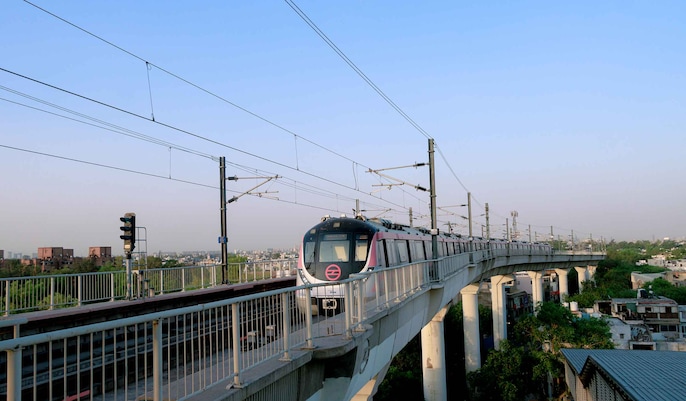
Delhi Metro Rail Corporation is planning its most significant expansion since the metro first opened in 2002. Under Phases 4, 5A and 5B, the network will grow by approximately 217 km with 16 new corridors and 123 stations across Delhi and the National Capital Region.
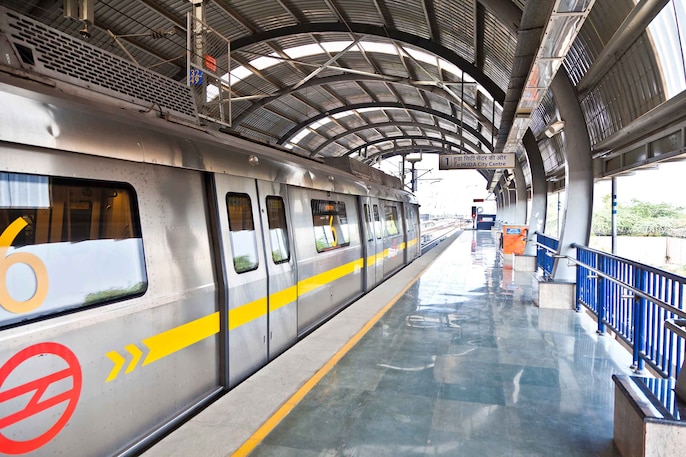
Phase 4 includes six corridors: Janakpuri West–RK Ashram Marg · Tughlakabad–Aerocity · Majlis Park–Maujpur · Inderlok–Indraprastha · Lajpat Nagar–Saket G Block · Rithala–Narela–Kundli. Several of these are under active construction. Some segments are expected to open in stages from 2026 onwards.
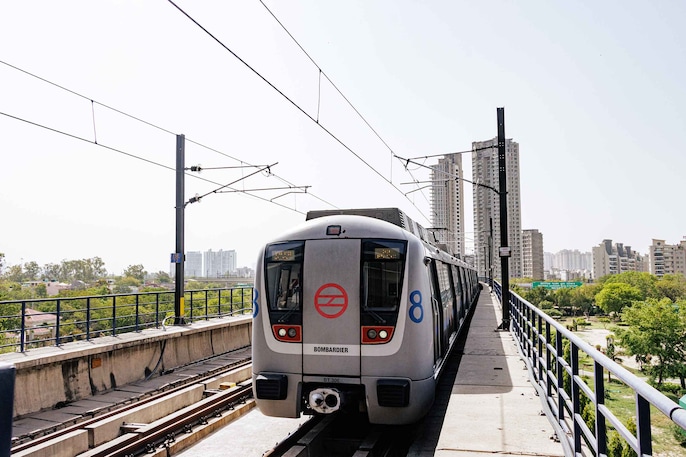
Phase 4 corridors will dramatically improve access to IGI Airport (Tughlakabad–Aerocity), West Delhi connectivity (Janakpuri West–RK Ashram), South Delhi (Lajpat Nagar–Saket), and extend Metro to Faridabad, Sonipat and North Delhi's Kundli — bridging some of the city's biggest connectivity gaps.
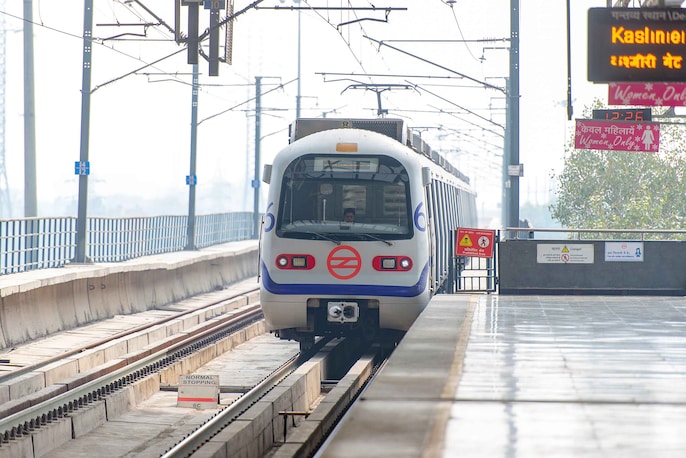
Phase 5 (5A and 5B) will extend Metro to underserved communities including Kishangarh, Narela, Najafgarh, Rohini, Nangloi and Palam. New interchange stations and extensions will connect Central Secretariat to peripheral areas — making the full Delhi-NCR network more seamless for daily commuters.
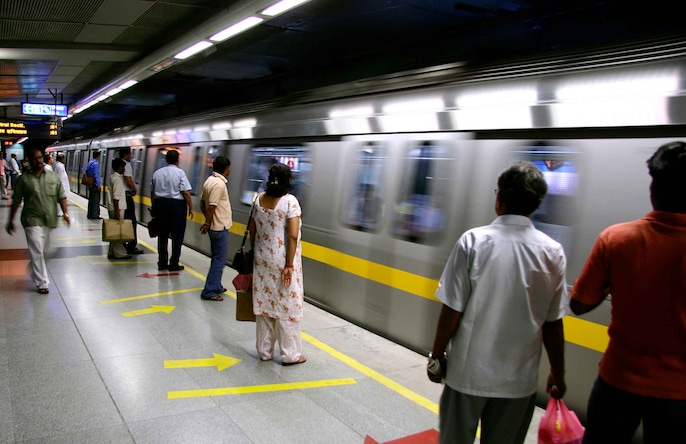
The expanded network aims to dramatically cut travel time, strengthen last-mile connectivity and encourage commuters to switch from private cars to public transport. Improved links between residential areas, commercial hubs, airports and interstate buses are expected to reduce road congestion and air pollution across Delhi-NCR.
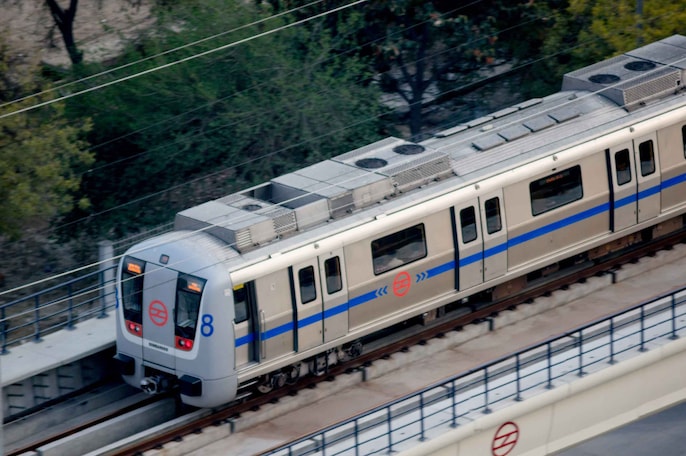
Phase 4 sections are expected to open in stages starting 2026. Phase 5 planning is at an advanced stage. Delhi Metro already operates 393 km across 12 lines with 288 stations — the 217 km expansion will eventually take the total network beyond 600 km, one of the largest urban Metro systems in the world.
 IMC 2026: The Biggest Tech Innovations You Need To See!
 What Is A Specialized Investment Fund (SIF)? SIF Vs Mutual Funds Explained
 This Week In Cinema: Jailer 2, Ranabaali, Prahaar, Nayyi Navelli & Street Fighter Hit Theatres
 India Inflation Shock: WPI Hits 11.39%, CPI At 5.54% As Crude Oil Touches $107 A Barrel
 Cabinet Approves IDBI Bank Stake Sale to Fairfax: Is the Stock Still a Buy?