
How a younger faculty is beginning to address the issue of brain drain
As India's top B-schools strengthen their global standing, a younger, internationally trained faculty is bringing new research, perspectives, and are beginning to address the issue of brain drain.The Rising Fee Paradox of B-schools
B-schools are spending more to upgrade infrastructure to compete with the best, but traditional streams such as management development programmes are yielding less.How B-school students are seeing entrepreneurship as another route to leadership
India's top B-schools are expanding the MBA playbook as students increasingly see entrepreneurship as another route to leadership.Methodology: How MDRA ranked India’s top B-schools
A look into the methodology and process followed for the BT-MDRA Best B-school Ranking 2026-27.How NMIMS is combining legacy with reinvention
As NMIMS spreads its wings, the emphasis remains on making students ready for not just a career but for a life of learning, leadership and impact.How MDI Gurgaon is training students on the skills the industry wants
MDI Gurgaon, ranked among India's premier B-Schools, has become an obvious choice for candidates looking beyond IIMs.SPJIMR on going global and beyond
SPJIMR provides its students a pedagogy where learning is a continuous process and always different.Why experts are divided over whether the latest FCNR(B) move was warranted
Massive foreign currency inflows through the FCNR (B) route may have helped stabilise a rapidly falling rupee and boosted forex reserves, but it has saddled the Reserve Bank of India with two new problems, surplus liquidity in the short term, and redemption pressures in the long run.India's placement market is assessing candidates much before formal placement begins
The MBA placement market is becoming more selective and fluid, with recruiters hiring earlier, looking beyond the traditional campus hierarchy, and paying a premium for candidates with demonstrable business skills.IIM Shillong is strengthening its connection with industry
IIM Shillong is strengthening its connection with industry and the region while preparing managers who can think critically, make sound decisions, and lead people.IIFT remains uniquely placed in an evolving global order
IIFT is known for its focus on international trade and economics. Now, with new campuses, it remains uniquely placed to make a mark for itself in the evolving global order.How IIM Indore plans to solve India’s most complex problems
IIM Indore is preparing its students to go beyond the classroom and solve the problems of the society at large.Behind XLRI's plans for a second campus in Jamshedpur
From an institute set up to train Tata Steel's labour unions to a management school with growing ambitions, XLRI Jamshedpur is preparing to meet the challenges of the new age.How that battle at The Tata Sons is testing how far a board can go
The Tata Sons battle is testing how far a board can go against the wishes of a controlling shareholder and where the balance of power lies between ownership and the boardroom.Will MDR help UPI become sustainable?
A Merchant Discount Rate of 0.4% will be charged on UPI transactions above Rs 2,000 with merchants. While MDR backers stress that this will help UPI become sustainable, there are concerns that merchants, especially the smaller ones, may revert to cash payments.
AI will redefine the MBA, not replace it, writes MDRA CEO Abhishek Agrawal
Technological adoption is accelerating much faster than meaningful pedagogical integration.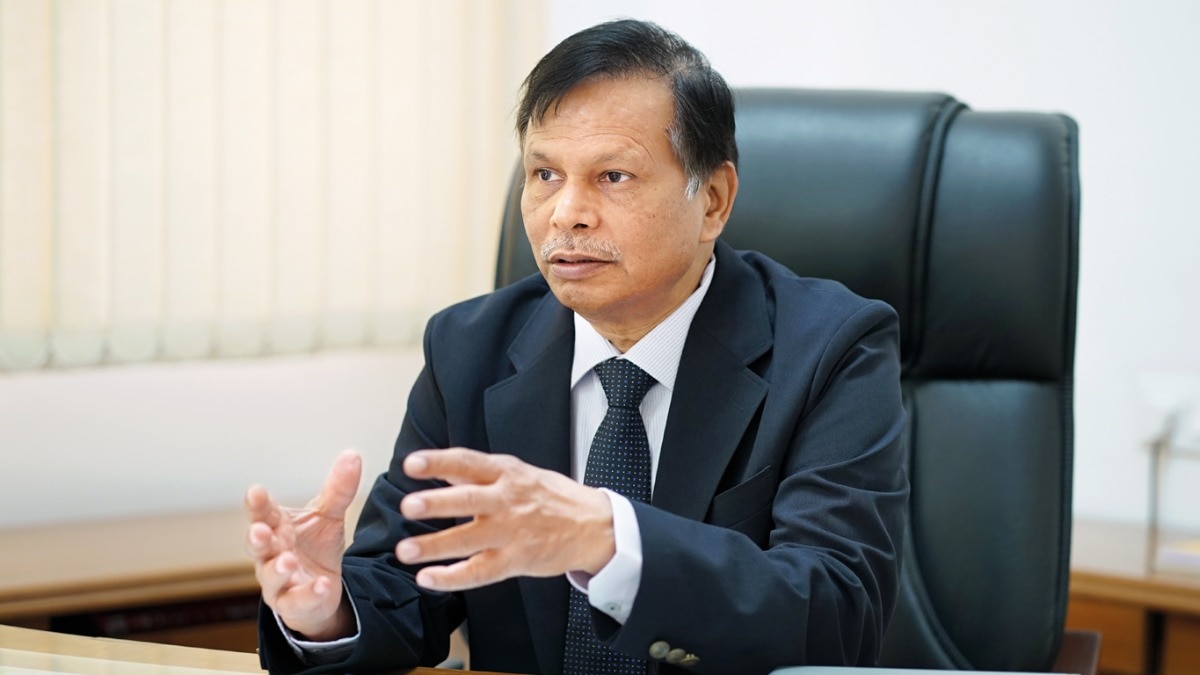
IIM C’s Alok Kumar Rai on why attracting students for a full-time MBA is challenging
Alok Kumar Rai, Director, IIM Calcutta, on why there will be an increase in one-year management programmes in the future.IIM A's Bharat Bhasker on why MBA education should focus on developing judgement
Bharat Bhasker, Director of IIM Ahmedabad, on maintaining the rank as the top B-school, relevance of a management education, future challenges, and more.ISB's Madan Pillutla on why business schools in future have to offer what is relevant
Madan Pillutla, Dean and Professor of Organisational Behaviour at ISB, on why business schools would have to organise themselves differently in future, as demand for an MBA will become less predictable.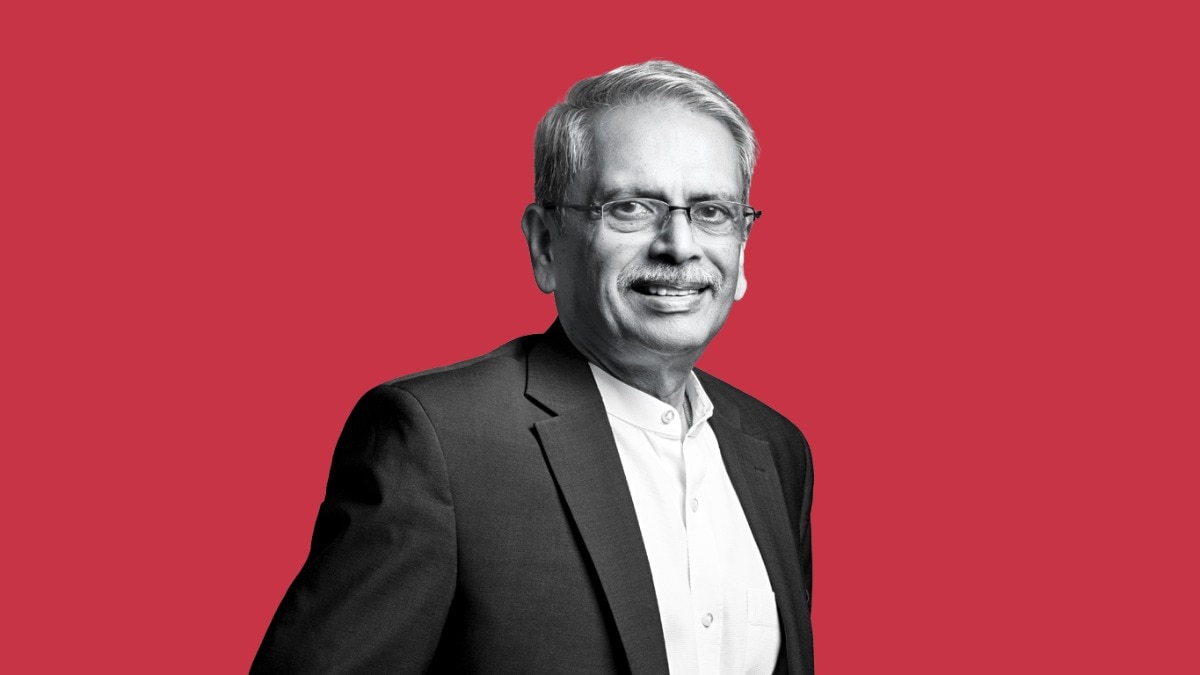
 2026-11-22
 2026-11-08
 2026-10-25
 2026-10-11
 2026-09-27
 2026-09-13
 2026-08-30
 2026-08-16
 2026-08-02
 2026-07-19
 2026-07-05
 2026-06-21
 2026-06-07
 2026-05-24
 2026-05-10
 2026-04-26
 2026-04-12
 2026-03-29
 2026-03-15
 2026-03-01
 2026-02-15
 2026-02-01
 2026-01-18
 2026-01-04