
Hours of motionless study might feel like discipline, but neuroscience shows the brain stalls without blood flow—students lose sharpness, attention, and learning gains the longer they sit.
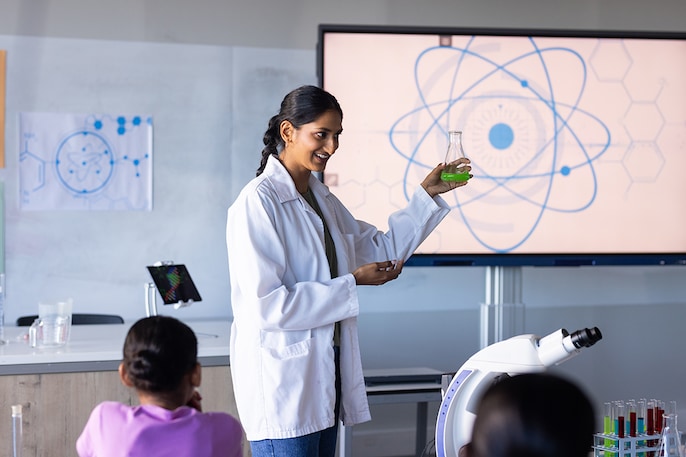
Classrooms built around stillness clash with biology. Studies show standing desks and posture shifts restore vigilance, trimming off-task behavior while nudging attention and academic outcomes upward.

Just three minutes of stretching or light activity every half hour has been linked to sharper focus and faster processing—tiny movements with outsized impacts on cognition.

A two-year Pediatrics study found children who learned math through movement gained months of extra progress over peers, proving active lessons don’t just entertain—they accelerate achievement.

Long revision marathons may feel productive, but psychology experiments reveal they spike mind-wandering, slow reactions, and drain executive function—right when sustained focus is most needed.
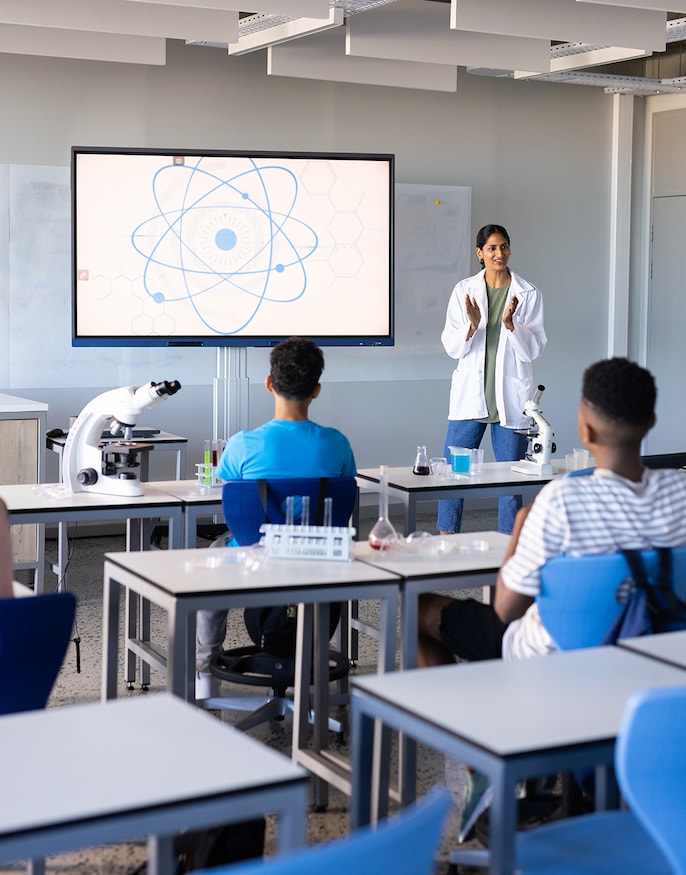
Gesture, relay, and motion-based lessons don’t just energize kids; they etch multisensory memory traces, boosting recall long after traditional rote learning fades.

Physical activity jolts neurotransmitters like dopamine and norepinephrine, priming the brain for attention and faster information processing—biology’s built-in study aid.
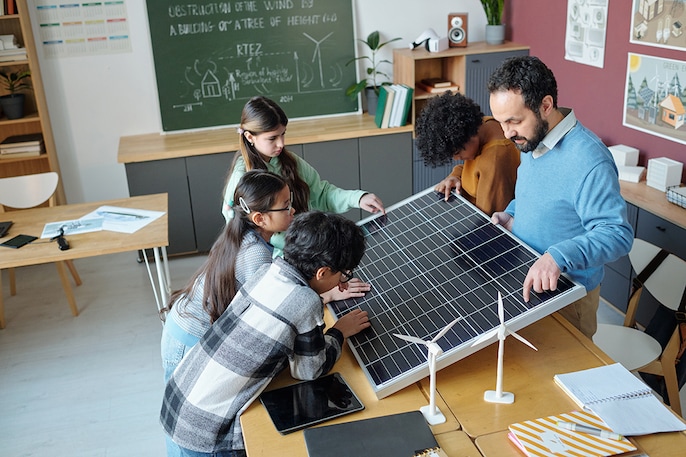
Teachers weaving movement into lessons report calmer classrooms and stronger engagement, with a 2017 meta-analysis showing measurable gains in on-task behavior across grades.

The brain’s learning machinery hums best when physical activity, quality sleep, and limited screen time align—a trifecta predicting sharper cognition and steadier focus.
 Cybersecurity Alert: AI Finds PHP Flaws, eMudhra Faces Certificate Concerns
 BrahMos CEO Exclusive | How BrahMos Is Expanding Production To Supply Vietnam, Indonesia & Russia
 Global Cyber Scare: PHP Flaws Threaten Websites, eMudhra Lapse Sparks Security Alarm
 Budget FY28 | Centre Weighs Up To 20% Higher Fertiliser Subsidy: Sources
 Market Commentary | Nifty - Sensex Today | Aditya Agarwal On What Investors Should Do Now