
Ramayana: Part 1 released on 5 November with a reported budget of ₹4,000 crore. That figure covers both films plus promotion, Business Today reports, and Part 1's own cost isn't published. So every comparison here uses the two-film total. Part 2 is expected at Diwali 2027, WION reports.
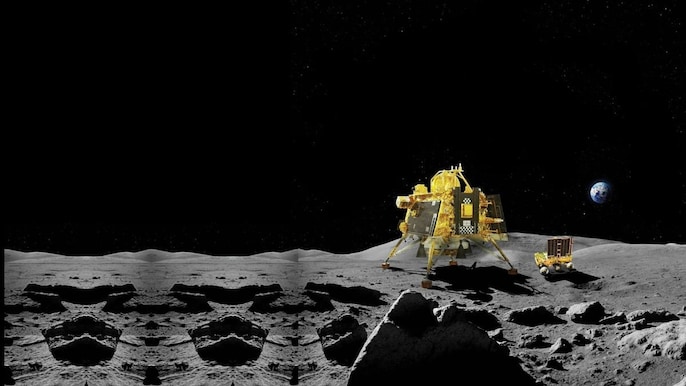
Chandrayaan-3, which landed near the Moon's south pole in 2023, cost ₹615 crore, according to India TV's report. By that figure, Ramayana's budget equals 6.5 such missions. It would also cover Chandrayaan-2's ₹978 crore about four times. Those space costs are from different years, and they haven't been adjusted for inflation.
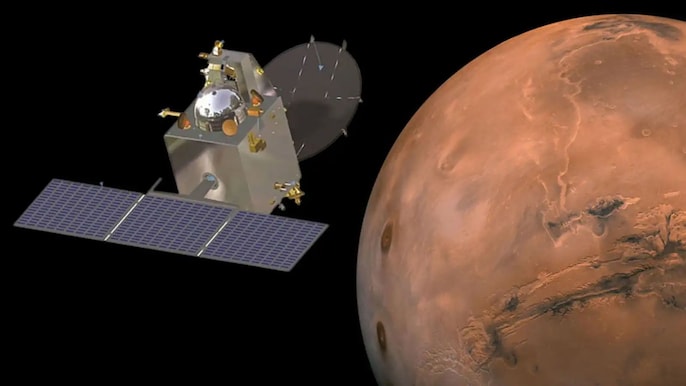
India's Mars Orbiter Mission cost about ₹450 crore, according to Business Today, so ₹4,000 crore equals roughly 8.9 of those. The Cabinet-approved Venus Orbiter Mission is budgeted at ₹1,236 crore, or about 3.2 to one. Chandrayaan-4, the planned Moon sample mission, has ₹2,104 crore approved, so Ramayana's reported total is nearly twice that.
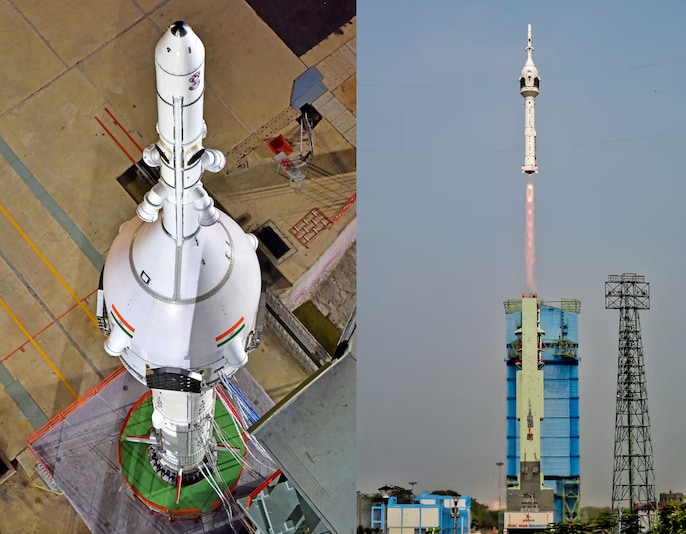
The human spaceflight programme runs on a different scale. Gaganyaan's expanded programme has total funding of ₹20,193 crore, about five times Ramayana's reported budget. The Mumbai-Ahmedabad bullet train's cost is likely to reach ₹1.98 lakh crore, the Railway Board chairman has said. That would equal nearly 50 Ramayana budgets.

Sacnilk data showed an average Day 1 advance ticket of ₹357. At that price, ₹4,000 crore equals about 11.2 crore tickets before any taxes or cinema share. The real number needed would be far higher, because producers don't keep the full ticket price. Rights and overseas income would reduce it, but those deals are unconfirmed.

A film is private investment that aims to earn its money back. Space missions and railway projects are public spending with different goals. The costs also come from different years. So these figures show scale. They don't show which project is better value.
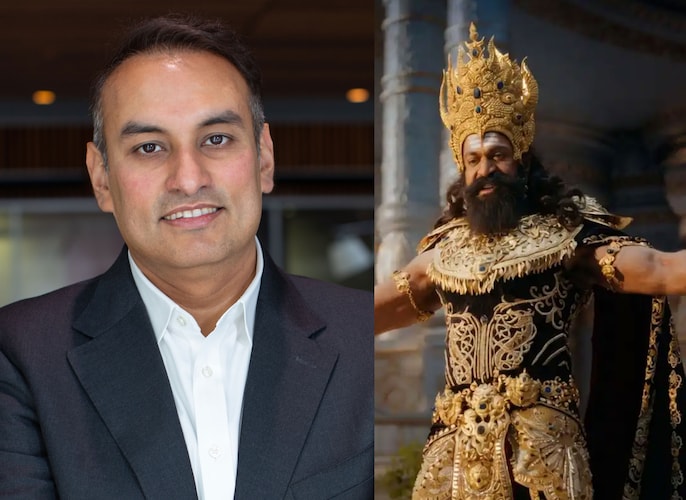
The first week's box office will show how fast the film is recovering its cost. Producer Namit Malhotra hasn't given a Part 1 cost in the reports we reviewed, and a split would change the comparison. Part 2 is expected at Diwali 2027. Until the makers publish audited or official numbers, keep calling ₹4,000 crore a reported figure.
 Crowded Markets, Empty Shopping Bags? Delhi Traders Feel The Diwali Pinch
 Is The Democratic Sweep A Double-Edged Sword For India’s Trade Deal?
 Trump, Tariffs & India-US Ties: What Changes After US Midterms? | Davinder Sandhu
 US Midterms: Will American Companies Increase Bets On India Now? | Vinay V. Singh
 #Podcast | #Episode 19 | Real State Of India's Economy: Dr. Shamika Ravi On Poverty, Jobs & Rupee