
Sleeping less than six to seven hours might feel fine, but it disrupts hormones, elevates risks for obesity, diabetes, high blood pressure, and heart disease. Emotional instability and impulsive behavior often accompany chronic sleep loss, showing how even moderate deprivation reshapes personality and social interactions.

Frequent awakenings fragment REM and deep sleep, leaving your brain in incomplete repair. Cognitive fog, memory lapses, irritability, heightened anxiety, and aggression are common. Interrupted sleep affects emotional regulation, language processing, and may even increase substance misuse risk.
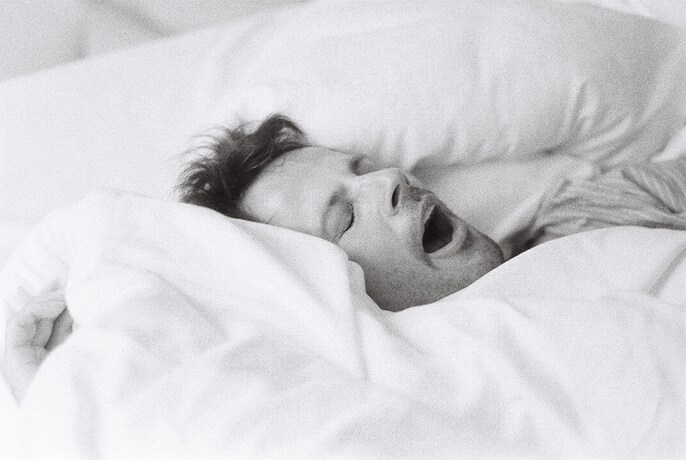
It’s not just about hours; restful sleep matters. Those with low-quality sleep struggle with insomnia, chronic fatigue, and irregular cycles. Depression, anxiety, anger, and neuroticism rise as fragmented sleep impairs stress management and emotional processing, creating a vicious cycle of exhaustion.

Relying on melatonin, sedatives, or marijuana may help you fall asleep but alters natural sleep architecture. Deep restorative phases are compromised, reducing memory performance and emotional sensitivity despite improved social satisfaction.

Full nights of sleep don’t guarantee alertness. Underlying issues like sleep apnea, anemia, or thyroid imbalance can leave you mentally sluggish, forgetful, and irritable. Even subtle factors like light exposure or caffeine may sabotage restorative sleep.
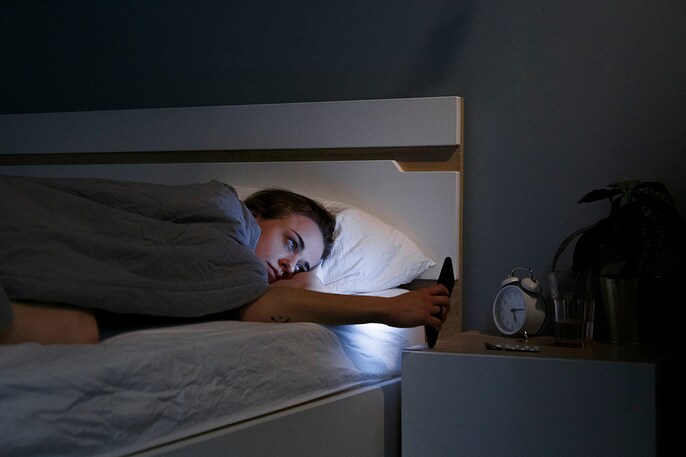
Sleep patterns influence emotional regulation profoundly. Short, fragmented, or poor-quality sleepers often show elevated aggression, impulsivity, and neurotic tendencies, highlighting sleep as a key modulator of personality and social behavior.

Interrupted or low-quality sleep slows memory, attention, and language processing. Even adults who clock adequate hours may face cognitive trade-offs if sleep continuity or restorative depth is compromised.

Sleep isn’t just rest; it safeguards your body. Chronic short or disrupted sleep increases long-term risks of cardiovascular disease, metabolic disorders, weakened immunity, and burnout, demonstrating how nightly patterns have lasting physiological consequences.

Understanding your sleep type allows targeted interventions. Reducing sleep aids, treating underlying conditions, improving sleep hygiene, and monitoring light, diet, and stress can optimize restorative sleep and protect mental, emotional, and physical health.
 7.1 Quake Shakes Southern Japan: Roads Split, Buildings Burn, Hundreds Of Thousands Evacuated
 How Mohammad Irfan Went From Street Hawker To India's Most Viral Protest Voice
 Congress Vs BJP Clash In Lok Sabha Over Anti-Paper Leak Bill 2026 As Opposition Questions Police
 "Justice Delayed Is Justice Denied": Bansuri Swaraj Hails Anti-Paper Leak Bill Strict Penalties
 CM Rekha Gupta Approves ‘Delhi Lakshmi Yojana’; Women To Get ₹2,500 Monthly Financial Assistance