


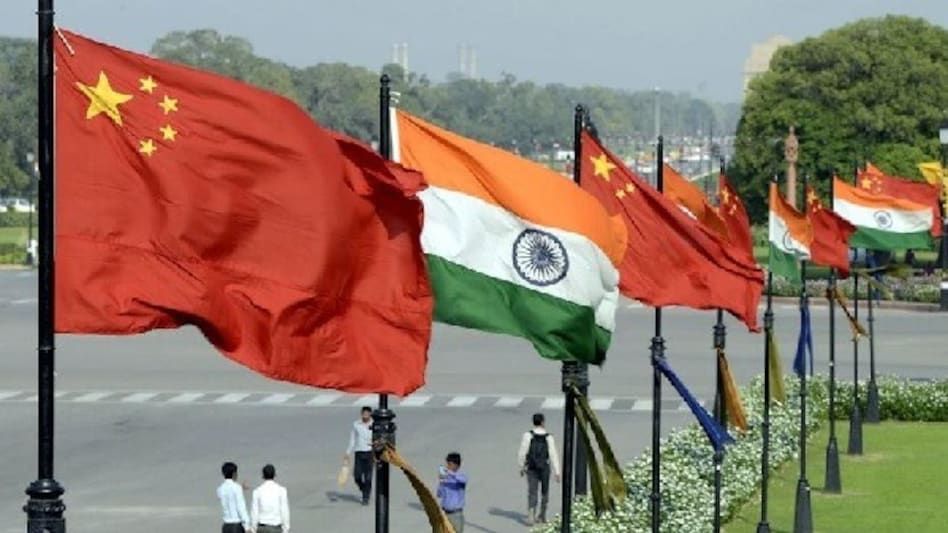
 Kaushik noted that in the 1980s, India and China were nearly on par. Today, China’s economy is nearly five times bigger.
In a sharp social media commentary, chartered accountant Nitin Kaushik has ignited debate on India’s economic trajectory by contrasting it with China’s meteoric rise. In a detailed post on X, he argued that decades of stalled execution, chronic delays, and short-term politics have left India far behind its neighbour.
“Almost equal once, now miles apart”
Kaushik noted that in the 1980s, India and China were nearly on par. Today, China’s economy is nearly five times bigger. “India vs China — the uncomfortable truth no one likes to admit,” he wrote. “How did we fall so far behind? And can we ever catch up?”
Infrastructure gap: A tale of two train journeys
To illustrate the contrast, Kaushik pointed to transport infrastructure. “In Shanghai, you can take a train that covers 1,200 km in four hours. In India, the Mumbai-Ahmedabad bullet train was approved 10 years ago and is still stuck. It’s not just about trains. It’s about speed — in building, deciding, and executing.”
The numbers that sting
The economic gap, he highlighted, is stark:
“In 1980, these numbers were almost the same. Something happened after that…” Kaushik observed.
China’s 'switch on' moment
He credited China’s turnaround to Deng Xiaoping’s reforms. “They decided: ‘We’ll become the world’s factory.’ Land was cleared in weeks, SEZs like Shenzhen came up, and by 2009, China became the world’s largest exporter. India, meanwhile, was buried under License Raj.”
Why India struggles with execution
Kaushik blamed India’s chronic project delays on land disputes and political roadblocks. “78% of road projects, 75% of rail projects, 22% of power projects are stuck in disputes. Tata Nano collapsed in West Bengal due to politics. Samsung’s Tamil Nadu plant faced union issues. In China? An iPhone factory was approved in three weeks.”
The democracy dilemma
He also pointed to governance challenges. “India’s elections often reward short-term freebies over long-term planning. 46% of MPs face serious criminal cases. The rich find tax loopholes, the poor get schemes, and the middle class pays for both. China’s dictatorship ensures brutal efficiency — no protests, no delays, but also, no dissent.”
Can India still catch up?
Despite the grim comparisons, Kaushik struck a cautiously optimistic note. “Yes, but it needs decades of discipline, not five-year election cycles. We must expand hubs beyond four–five cities, raise manufacturing from 14% to 25%+ of GDP, turn our English-speaking edge into an export powerhouse, and invest in skills, not just degrees.”
He concluded with a call for execution over excuses: “Democracy is not our enemy. Poor execution is. China’s growth came from planning + ruthless execution. India can get there — if we start now and think long-term.”

 Stock market opens higher after 4 days, investor wealth up by Rs 4 lakh crore; here's why
  Coforge shares gain ahead of Q1 results: Profit may rise 80-90%; Encore integration eyed
 RAF’s conduct during students’ Parliament march under review, say sources
  US-Iran pause attacks for second day; Trump 'giving talks some space' as Hormuz deal discussed
 New paper leak bill in Lok Sabha today, proposes harsher punishment; MPs given draft
 AI Data Centers, Aerospace & Gas Turbines: What's Powering Indo-MIM's Future Growth?
 Best Healthcare Stocks: Gaurang Shah's Outlook On Apollo Hospitals, Fortis & The Manipal Health IPO
 Is Indo-MIM's IPO Valuation Justified? Here's Why The Company Sees Strong Growth Ahead
 Treasury Bills Explained: Why T-Bills Are One Of The Safest Short-Term Investment Options
 FDs vs Markets: Where Should You Keep Your Short-Term Money?
 IDFC First Bank share price up 10%; here's why | CLSA, Jefferies, HSBC, JPMorgan targetsStock market opens higher after 4 days, investor wealth up by Rs 4 lakh crore; here's why
  REC, JK Cements, HAL among top trading picks for short-term gains; check targets & moreCoforge shares gain ahead of Q1 results: Profit may rise 80-90%; Encore integration eyed
 Nifty, Bank Nifty outlook: Avoid fresh longs; check key support & resistance levelsIDFC First Bank share price up 10%; here's why | CLSA, Jefferies, HSBC, JPMorgan targetsRAF’s conduct during students’ Parliament march under review, say sources
  19-year-old scores 166 in NEET re-exam, dies by suicide in Maharashtra as toll from leak crisis growsStock market opens higher after 4 days, investor wealth up by Rs 4 lakh crore; here's why REC, JK Cements, HAL among top trading picks for short-term gains; check targets & more









